Chinese Lattice Tattoo Ideas
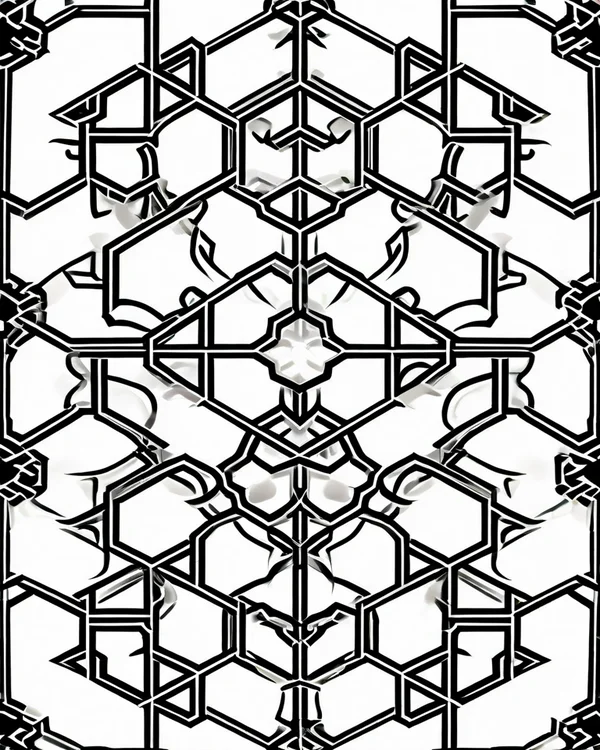
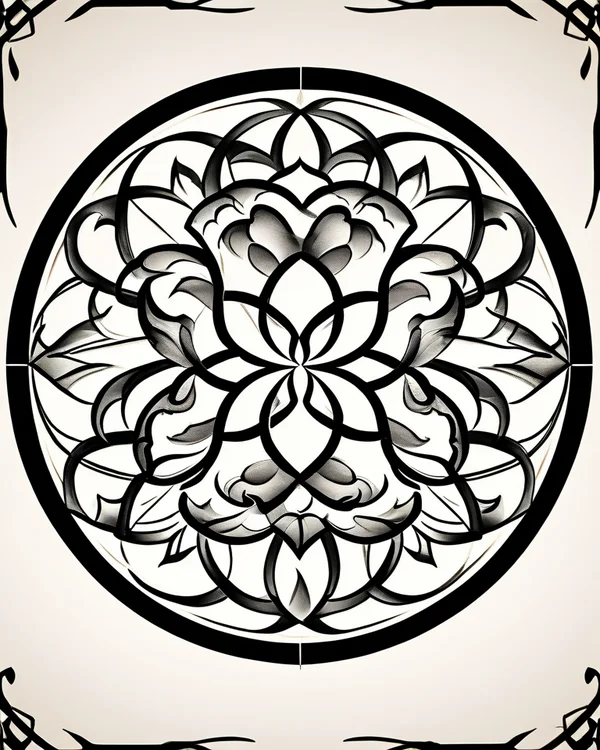
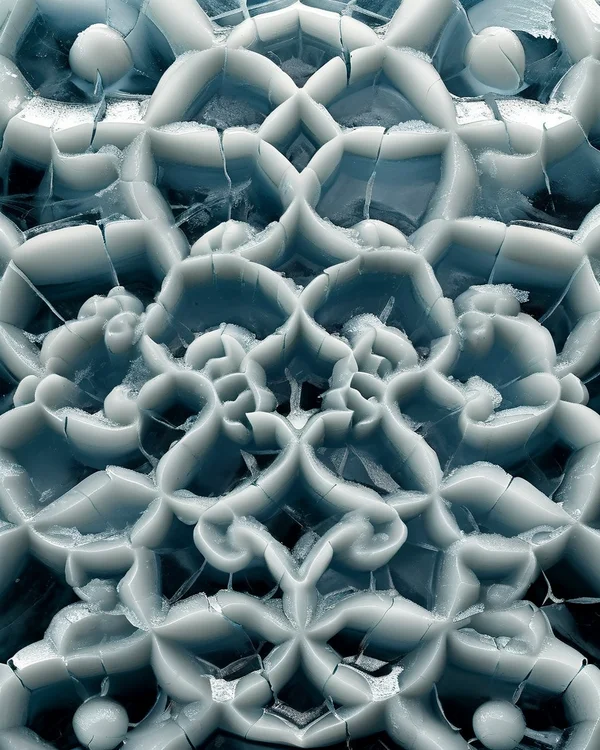
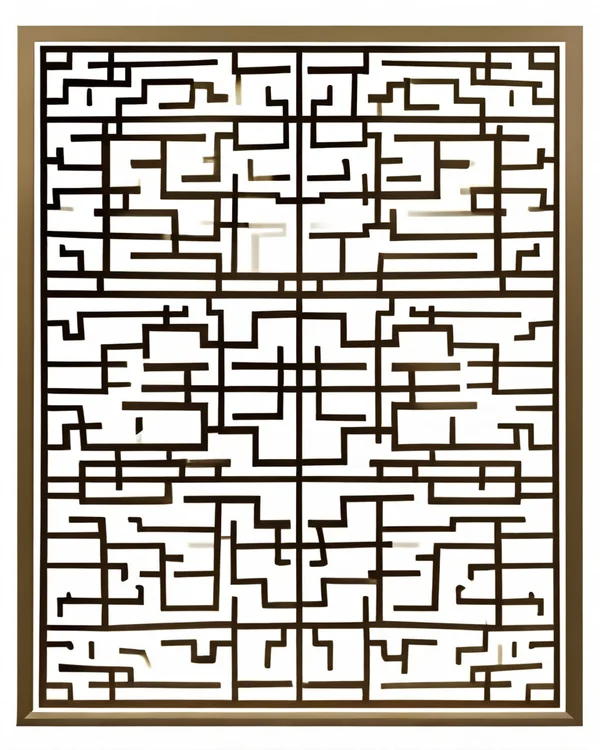
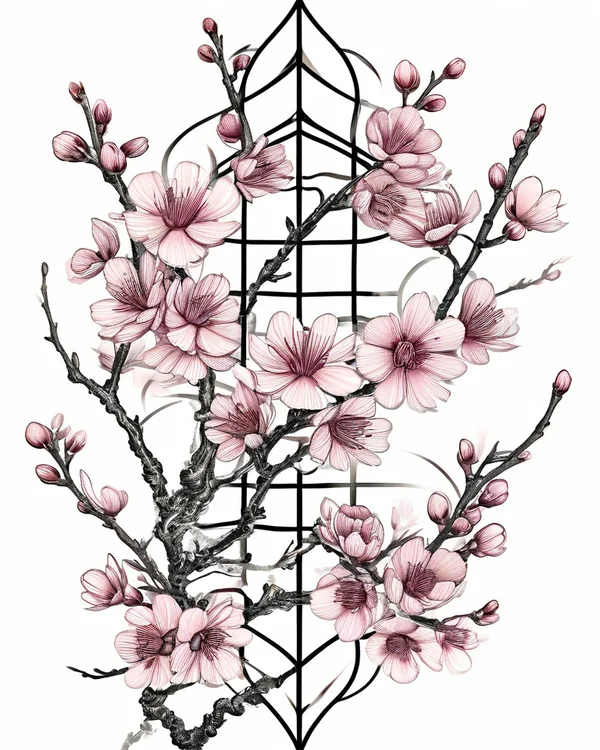
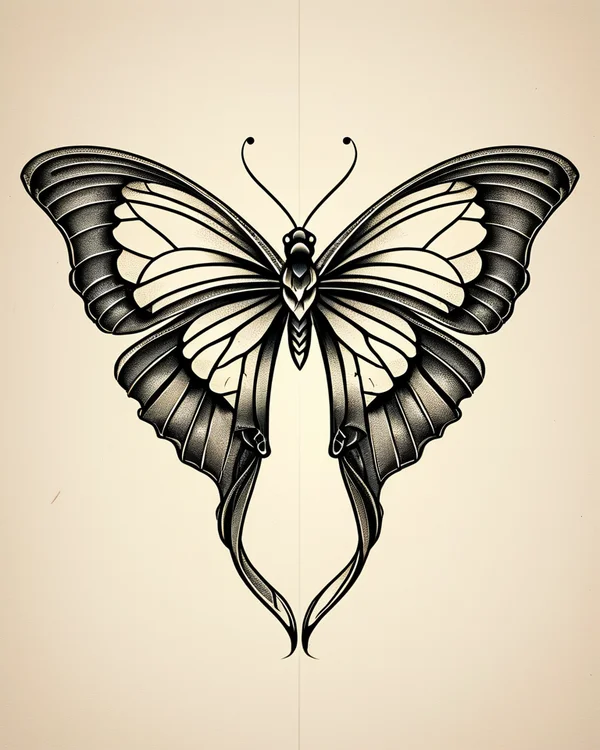
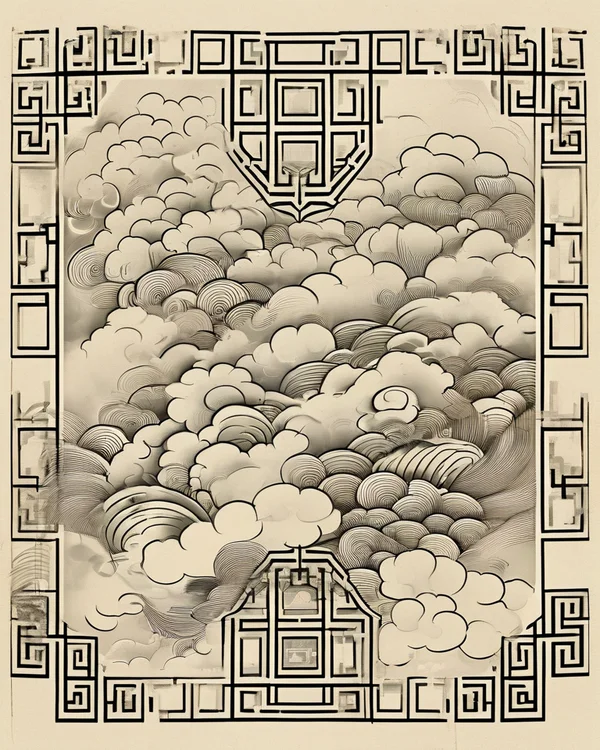
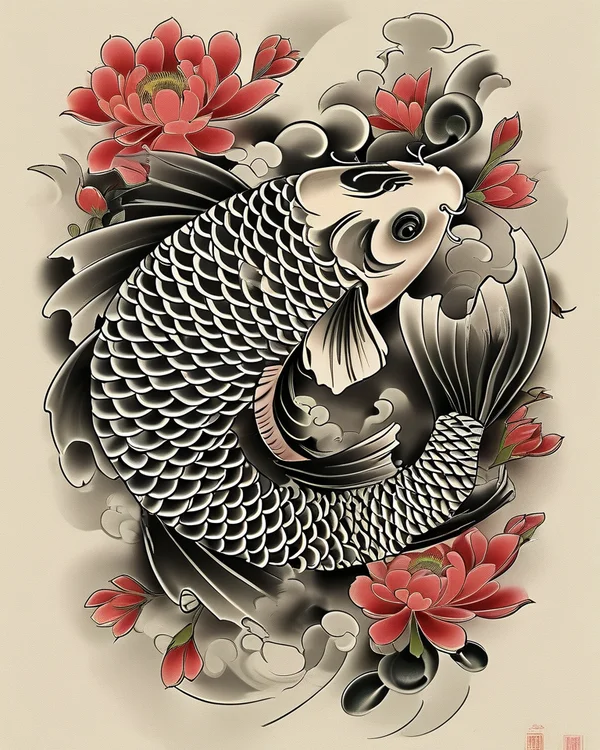
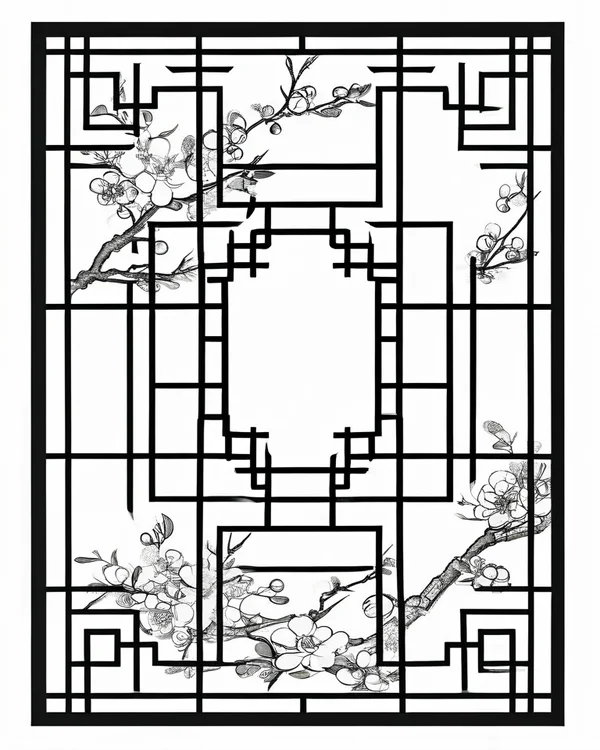
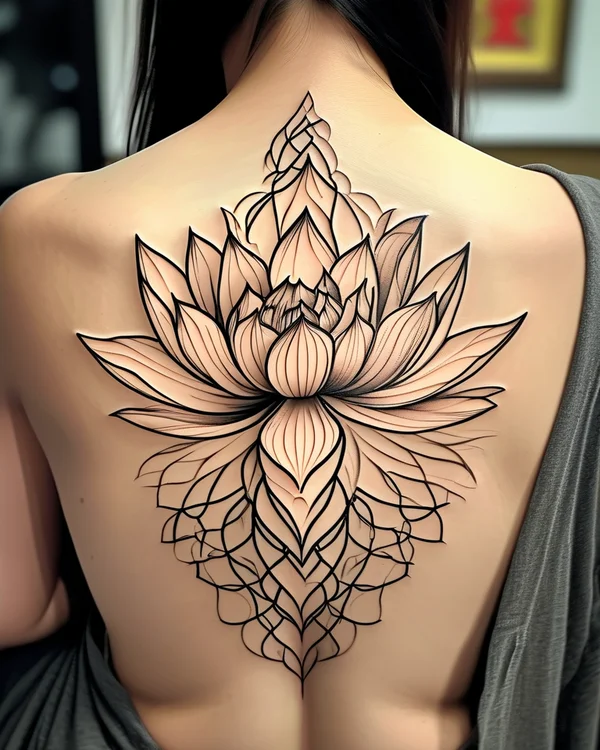
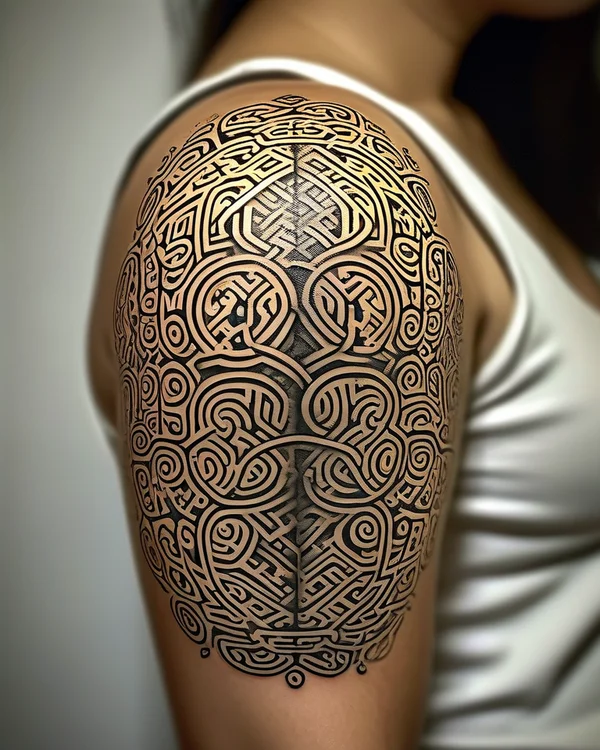
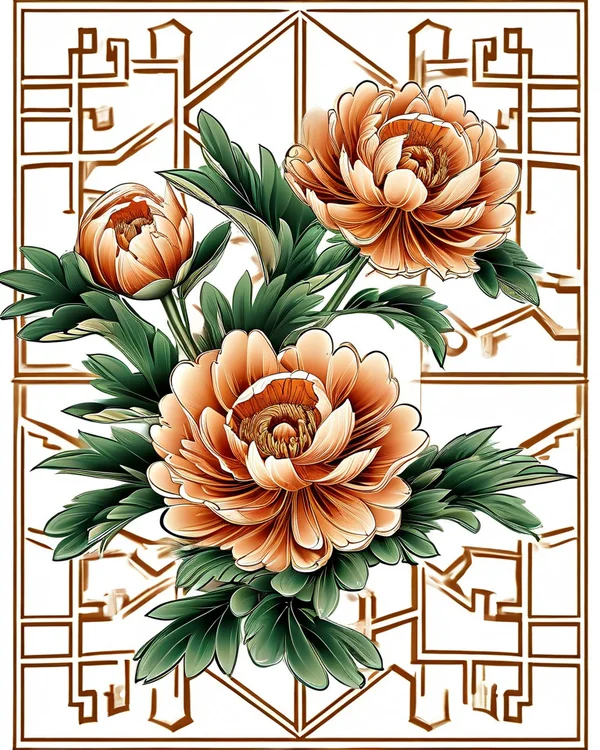
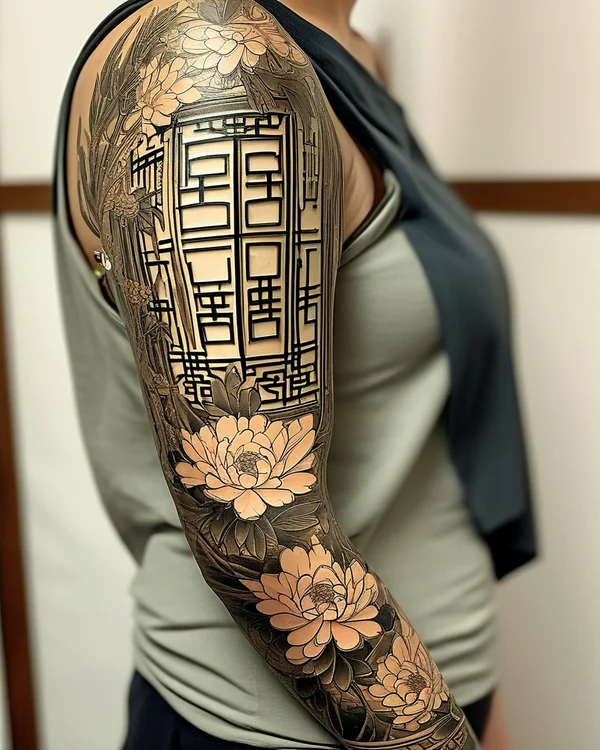
Interlocking geometric patterns from Chinese architecture and decorative arts — window screens, temple railings and furniture inlay translated to skin. Browse 24 reference designs below, then preview any of them on your own body with the free tattoo simulator.
chinese lattice tattoo ideas
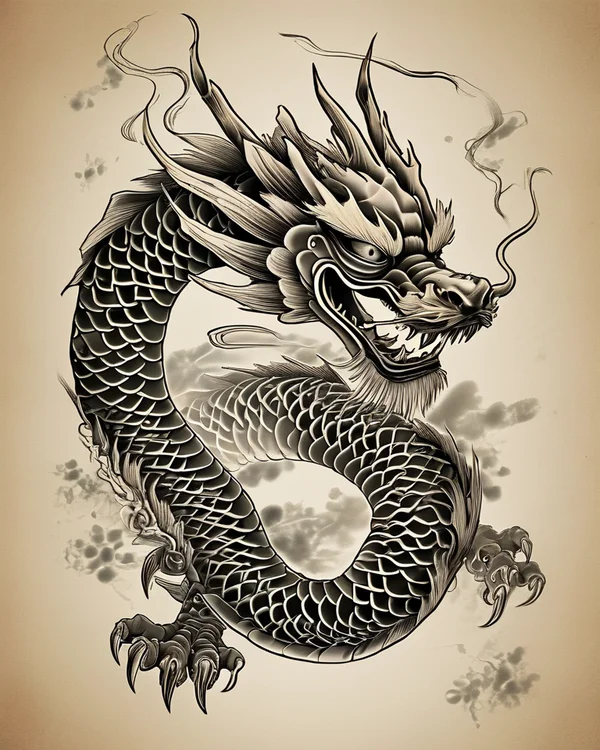
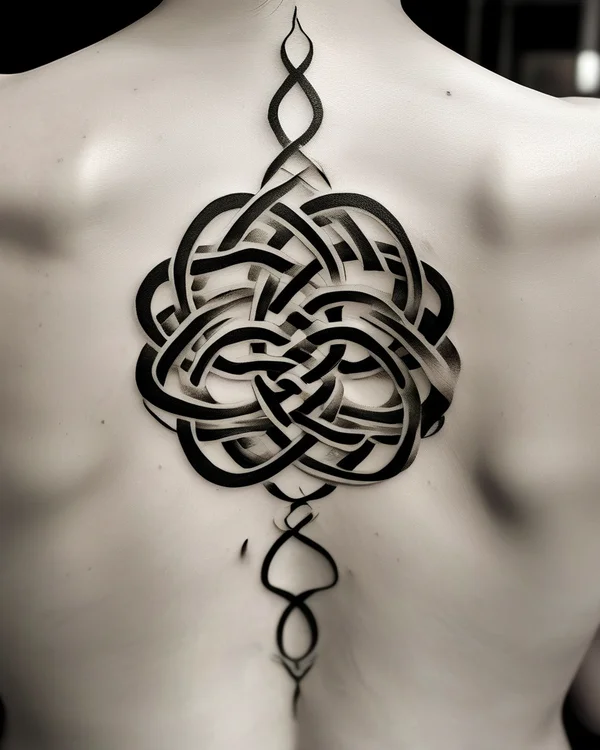
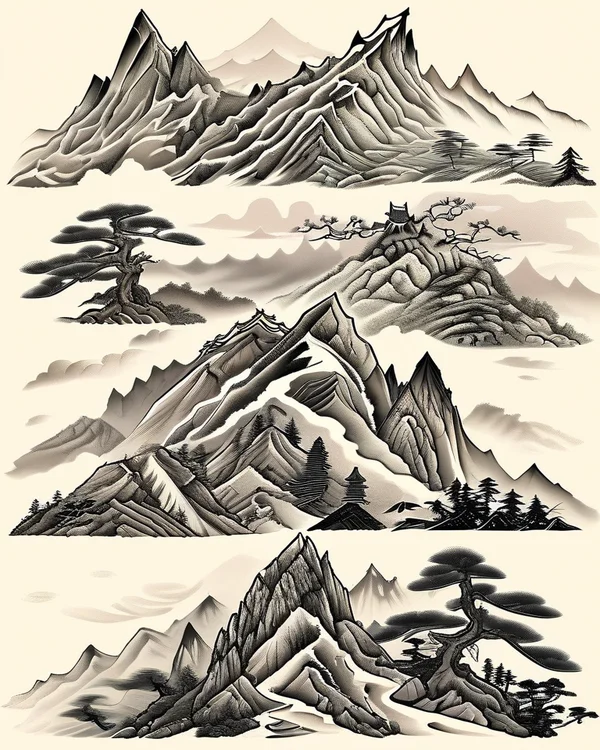
24 reference designs. Click any design to preview it on your own photo — the simulator keeps the design on your skin while you adjust size and placement.

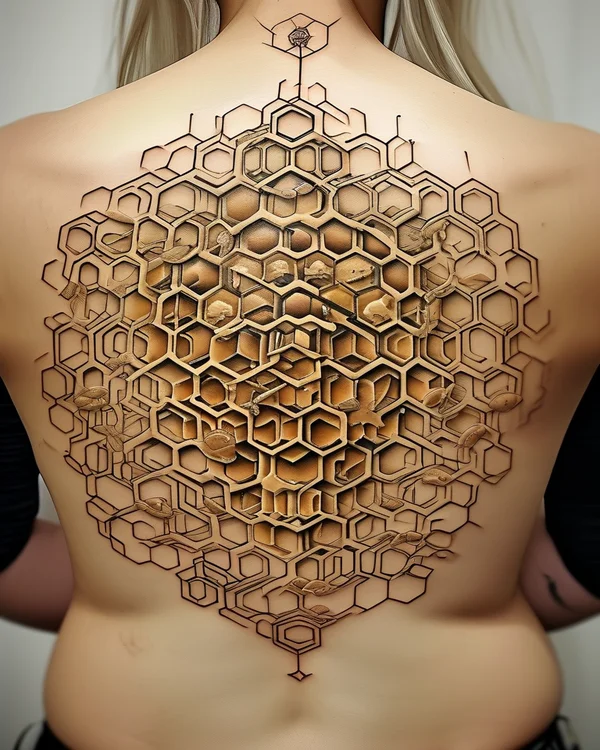
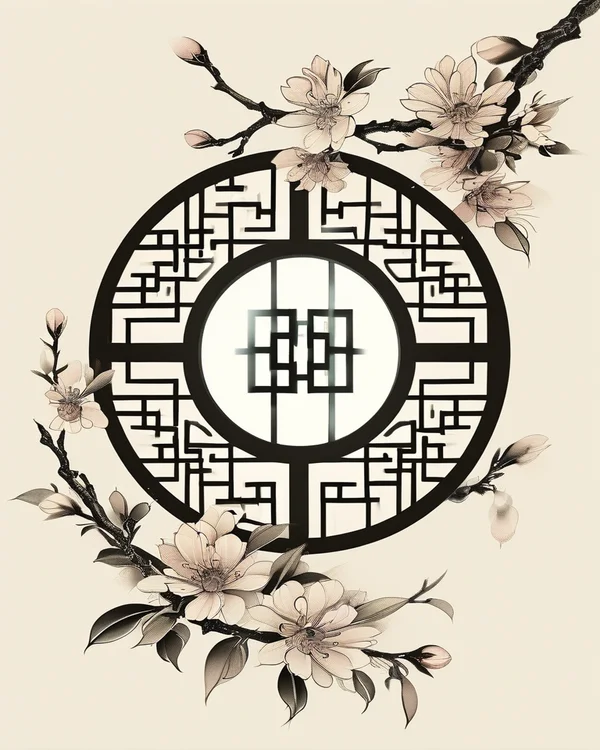
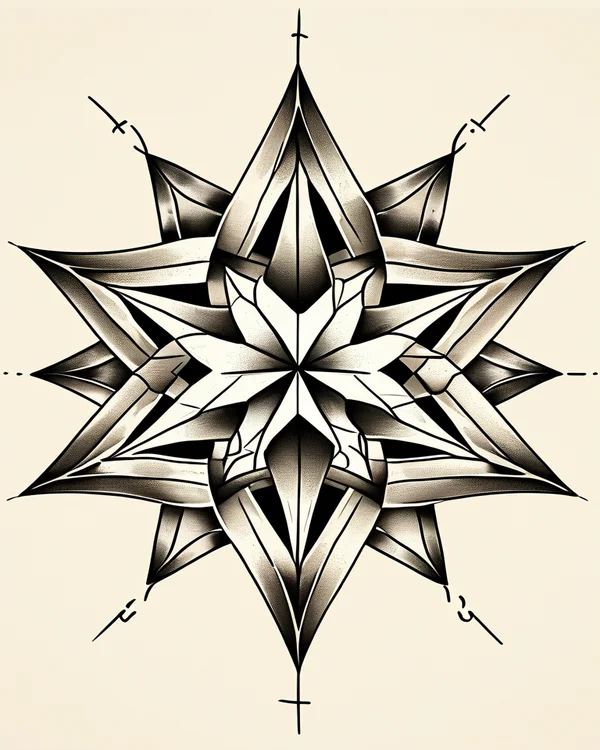

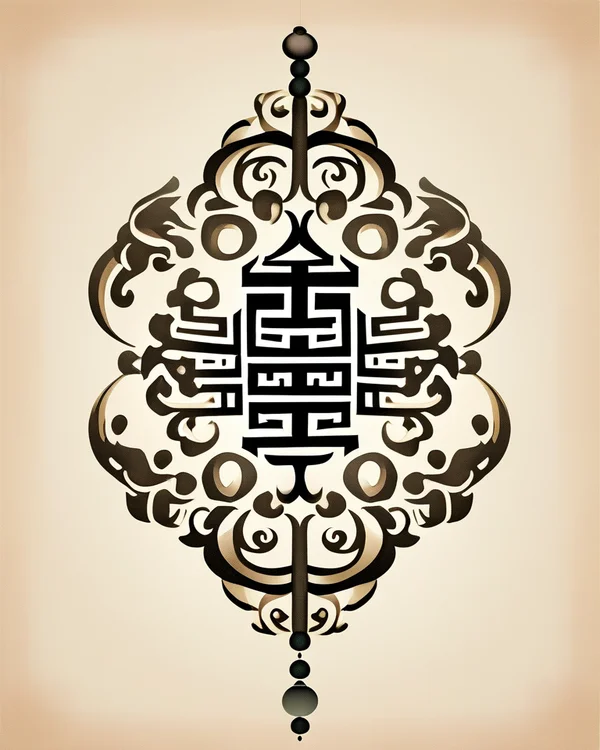


Preview any of these on your body in 3 steps
Upload a photo
A clear, well-lit photo of the area you are considering. Phone camera is fine.
Describe or pick the design
Choose a style from the gallery or describe what you want in plain words.
Compare and decide
Adjust size and placement, then share the preview with your artist as reference.
What defines a chinese lattice tattoo
Chinese lattice tattoo designs draw from centuries of architectural and decorative tradition. The repeating geometric patterns found in window screens, temple railings, and furniture inlay across China have become one of the most distinctive motifs in contemporary tattoo art. These designs rely on interlocking lines, negative space, and precise symmetry to create a visual rhythm that feels both ancient and modern. Unlike freehand organic tattoo styles, lattice work demands mathematical precision — every line must connect, every gap must be intentional, and the overall pattern must tile cleanly across the skin.
Design notes from the chair
- Line weight: Lattice tattoos need consistent, medium-weight lines. Too thin and the pattern becomes fragile and blurs over time; too thick and the intricate gaps between lines disappear, turning the design into a solid block.
- Scale: The pattern must be large enough that each individual cell is clearly readable. On a forearm, cells smaller than about 12 mm tend to merge after a few years of ink settling. Plan each cell to be at least 15 mm across.
- Flow: Flat lattice grids work well on flat surfaces like the outer forearm or shoulder blade. On curved areas like the bicep or calf, the pattern needs to be warped slightly so it wraps naturally rather than buckling.
- Contrast: These designs are almost always blackwork. The interplay between inked lines and bare skin is the entire visual mechanism — adding colour usually weakens the effect rather than enhancing it.
Chinese lattice patterns and their meanings
Traditional Chinese lattice patterns carry symbolic weight beyond pure decoration. The "ice crack" pattern (冰裂纹) represents resilience and the beauty of imperfection. The "coin" pattern symbolises wealth and prosperity. The "window grille" or "lattice screen" (花窗) pattern represents a frame through which to view the world — often interpreted in tattoo culture as perspective, mindfulness, or looking beyond the surface. Many people choose a specific lattice motif for its cultural meaning rather than just its visual appeal, and discussing this intention with your artist helps them refine the design to match your interpretation.
Choosing a placement for a chinese lattice piece
Chinese lattice designs are inherently geometric, which means they perform best on relatively flat areas of the body. The outer forearm, upper back, chest panel, and thigh all provide enough surface area for the pattern to repeat cleanly without distortion. Wrists and ankles can work for smaller, simplified lattice motifs, but the curvature means the pattern will appear to warp when viewed from certain angles. Ribs are possible but painful, and the breathing movement can make it difficult for the artist to maintain perfectly straight lines. If you want a lattice sleeve, plan the pattern to break at joints — the inner elbow and shoulder cap are natural transition points where the design can shift or fade gracefully.
Size, sessions and cost
A small Chinese lattice panel — say, a 10 cm by 10 cm square on the forearm — is typically a single session of two to three hours. Larger pieces that wrap around a limb or cover the full shoulder blade can take three to five sessions, each spaced four to six weeks apart. The precision required means the artist cannot rush; straight lines and consistent spacing take longer than freehand work. Expect to pay by the hour, and ask whether touch-ups for any lines that did not take evenly during the first pass are included in the quoted price.
Pain and aftercare, realistically
The pain profile for a Chinese lattice tattoo depends almost entirely on placement. On the outer forearm or upper arm, it is moderate — comparable to a scratching sensation that most people tolerate without difficulty. On the ribs, sternum, or spine, the pain is significantly higher because the needle is working close to bone with less tissue to cushion the impact. Aftercare is straightforward: wash gently twice a day, apply a thin layer of unscented moisturiser, avoid soaking in water for two weeks, and keep the tattoo out of direct sunlight for at least a month. The lines in lattice work are the entire design, so any scabbing that pulls ink out of a single line will be visible — resist the urge to pick at flaking skin.
Common mistakes with chinese lattice designs
- Scaling the pattern too small for the chosen placement, resulting in a muddy, unreadable design after healing.
- Not accounting for body curvature — a flat grid on a cylinder will always look slightly off unless the artist compensates.
- Choosing a lattice pattern purely for looks without understanding its cultural context, which can feel inauthentic.
- Skipping the stencil alignment check — lattice work must be perfectly level on the body, and a tilted pattern is immediately noticeable.
- Skipping the touch-up session once the piece has healed and settled.
Frequently asked about chinese lattice tattoo ideas
Use the gallery above as starting reference, then use the simulator to check the design against your own body. If you are also considering geometric or ornamental styles, browse geometric tattoo ideas and ornamental tattoo ideas for related inspiration. For cover-up work, the cover-up designer can help you see how a lattice pattern might conceal an existing tattoo.
FAQ — Chinese Lattice tattoos
How much does a chinese lattice tattoo cost?
Most artists charge by the hour or by session rather than by design. A small chinese lattice piece is usually one sitting; larger pieces covering a forearm or back typically run two to four sessions. Ask for the hourly rate, the expected number of sessions, and whether touch-ups are included.
How do I know if a chinese lattice design will suit my body?
Upload a photo to the simulator and place the design at the size you are considering, then look at it from a distance. If it stays readable at arm's length, it will hold up on skin.
Do chinese lattice tattoos age well?
Bold line work, solid contrast and clear negative space age the best. Very fine detail and tiny lettering soften first as ink settles and skin changes.
Is it safe to bring a chinese lattice reference to my artist?
Yes. Bring three to five references and explain what you like about each one. A good artist will redraw the idea for your body instead of copying it exactly.
Which placement works best for chinese lattice designs?
Outer forearm and upper arm are the most forgiving for detail and visibility. Ribs and spine suit long flowing compositions but are more painful; wrists and hands fade faster.
Still deciding? Put it on your skin first.
Upload a photo and see any of these 24 designs on your own body in about ten seconds. No sign-up for your first preview.
Open the simulator