Realism Tattoo Ideas
A realism tattoo is a design rendered like a photograph — no bold outlines, built entirely from shading and contrast — and it only ages well when deep blacks anchor the mid-greys. Browse 24 reference designs below, preview any of them on your own body at real size with the free tattoo simulator, then use the three-photo test further down before anyone quotes you.
Realism tattoo ideas
24 reference designs. Click any design to preview it on your own photo — the simulator keeps the design on your skin while you adjust size and placement.
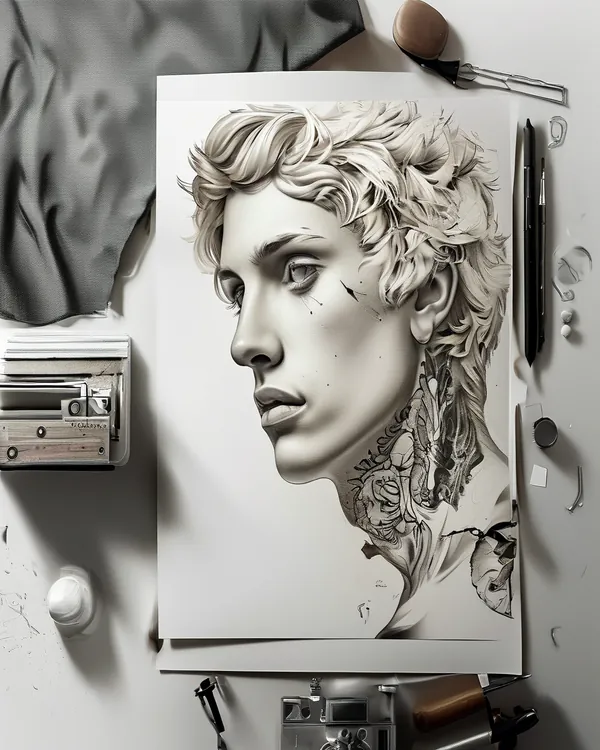
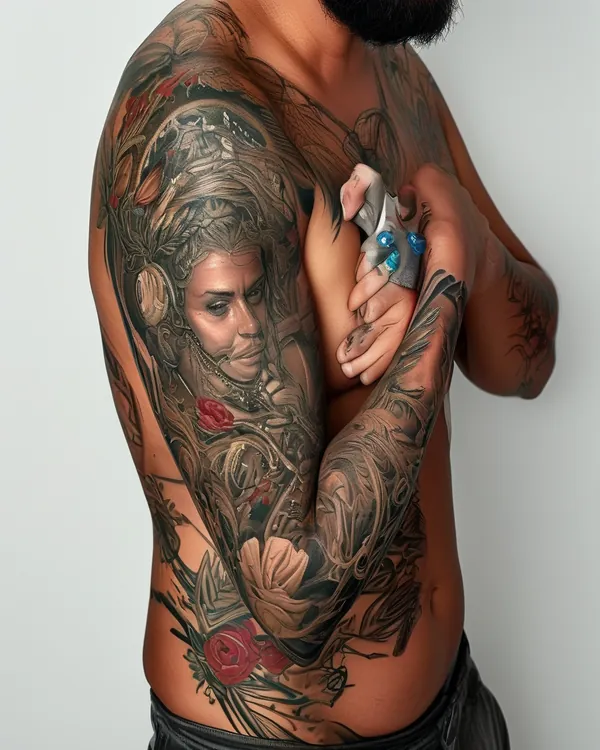
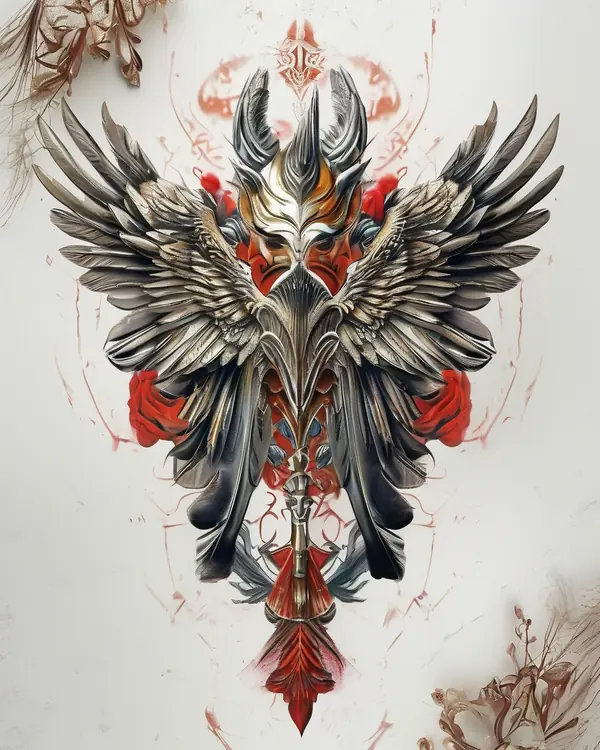
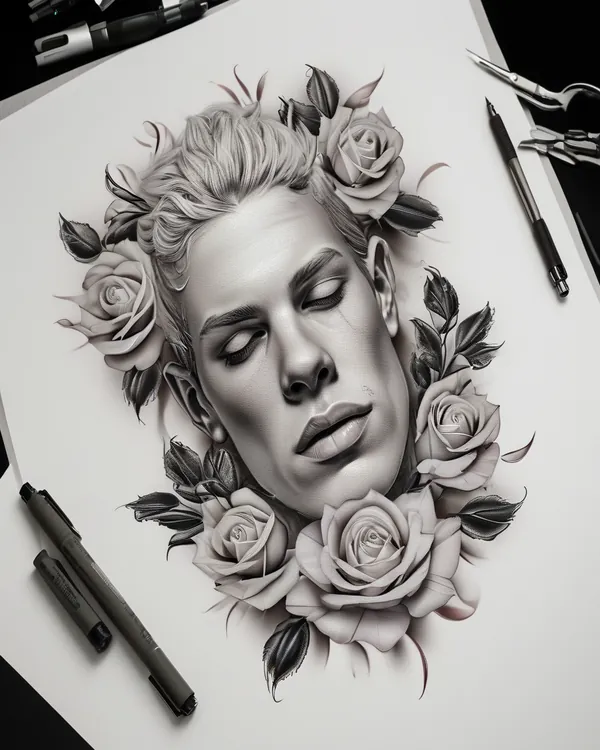
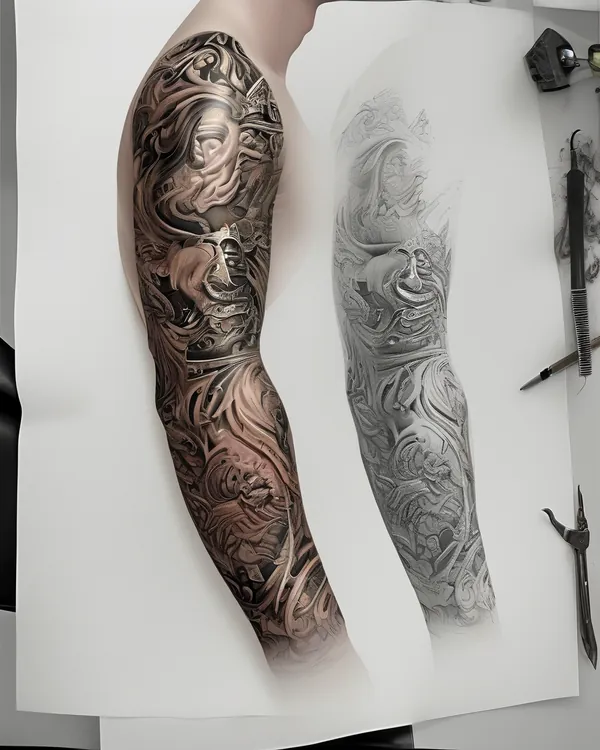
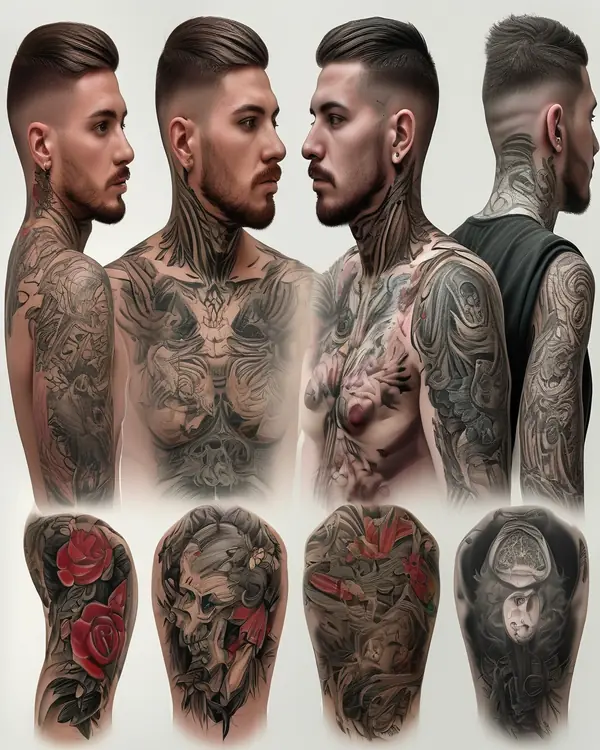
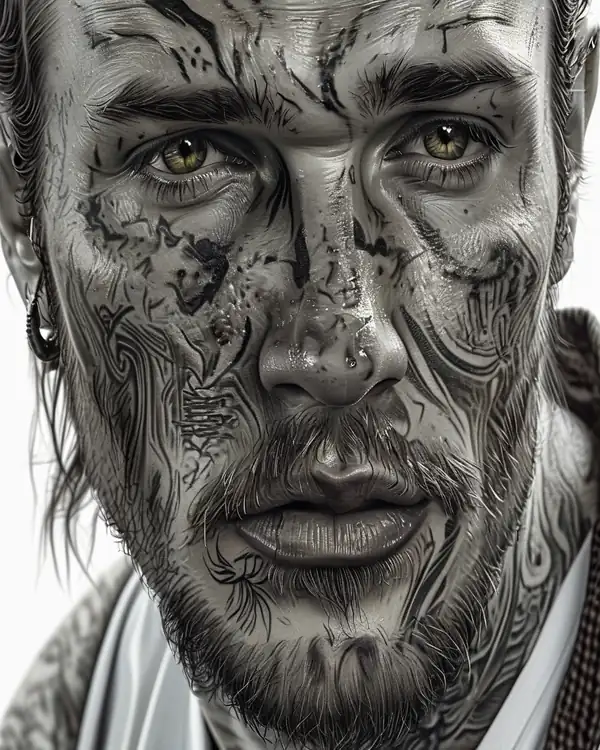
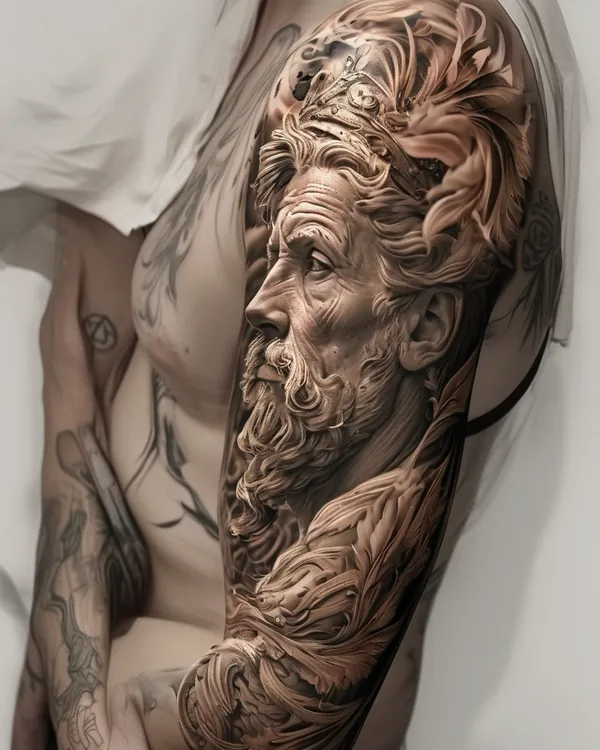
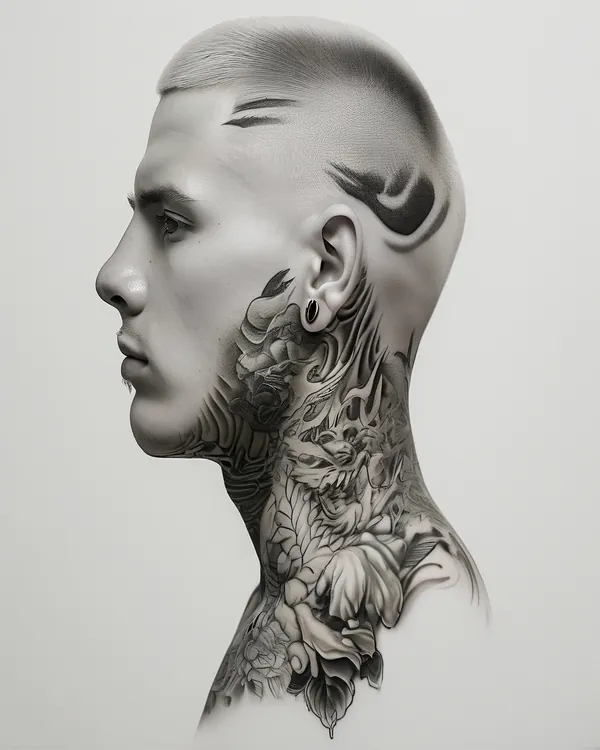
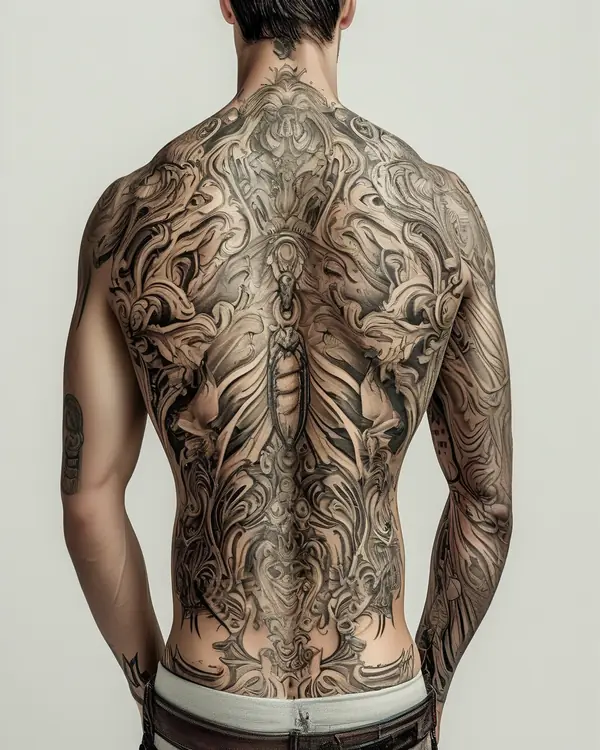
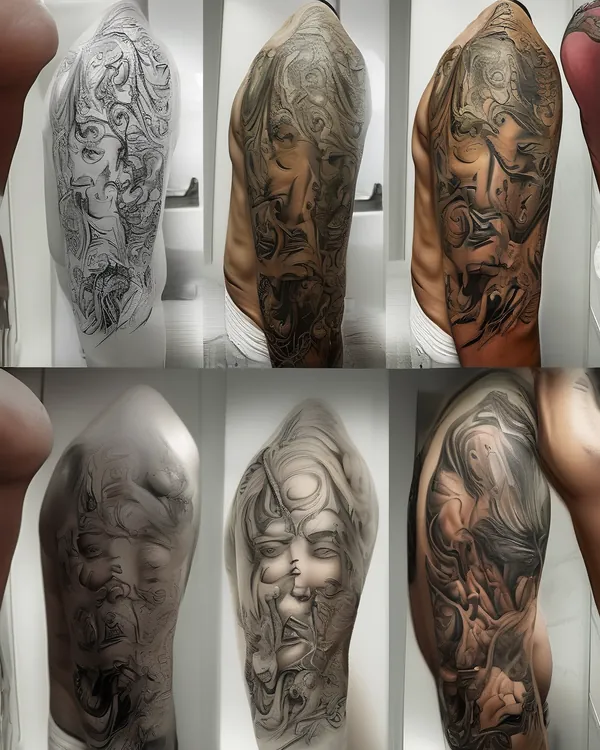
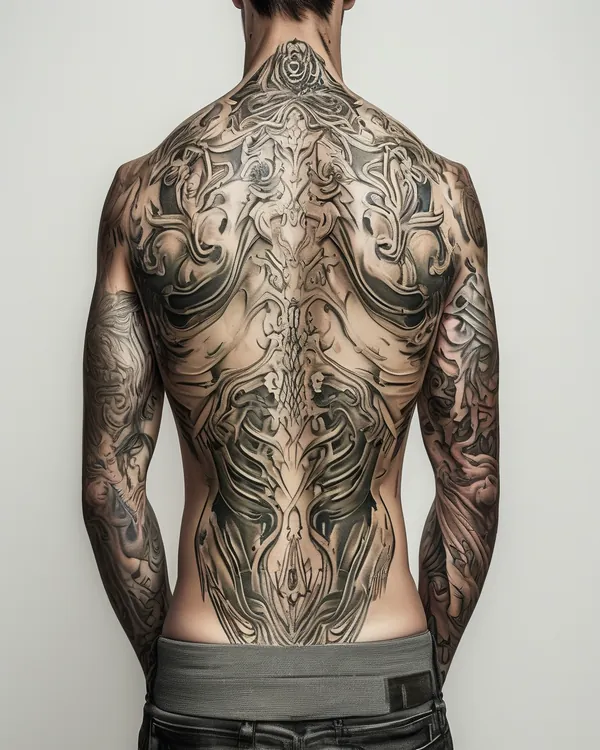
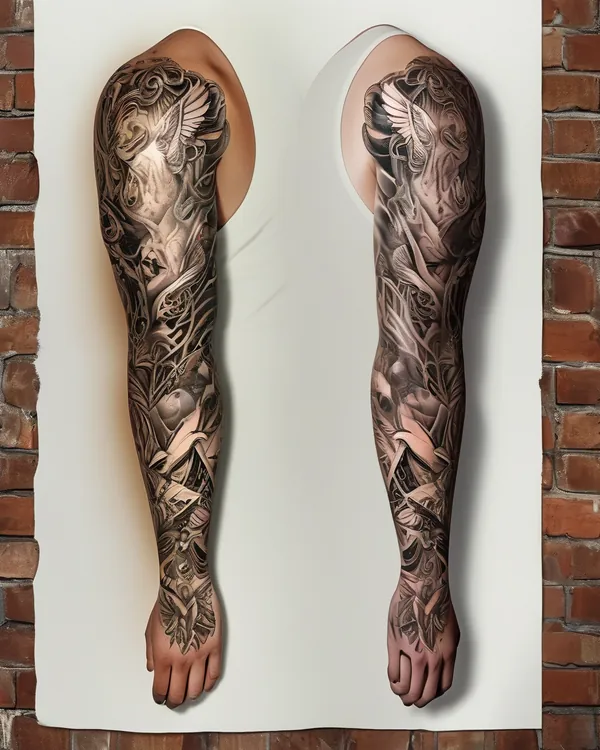
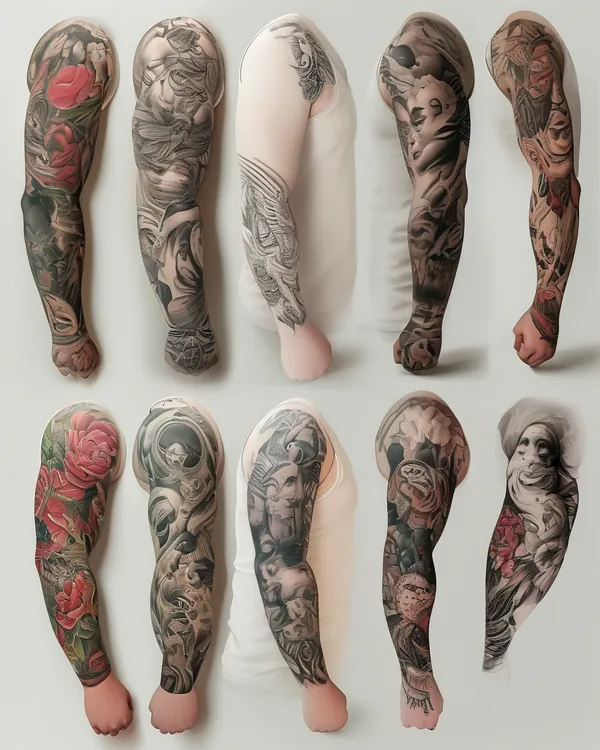
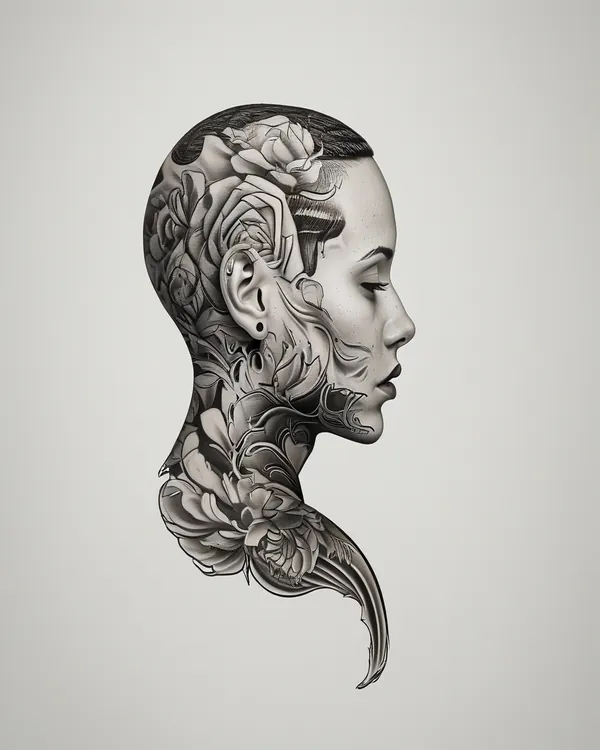
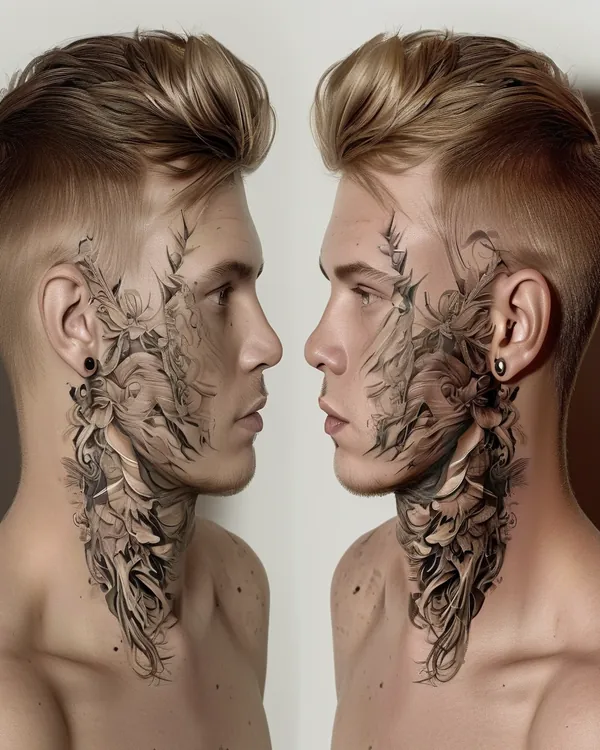
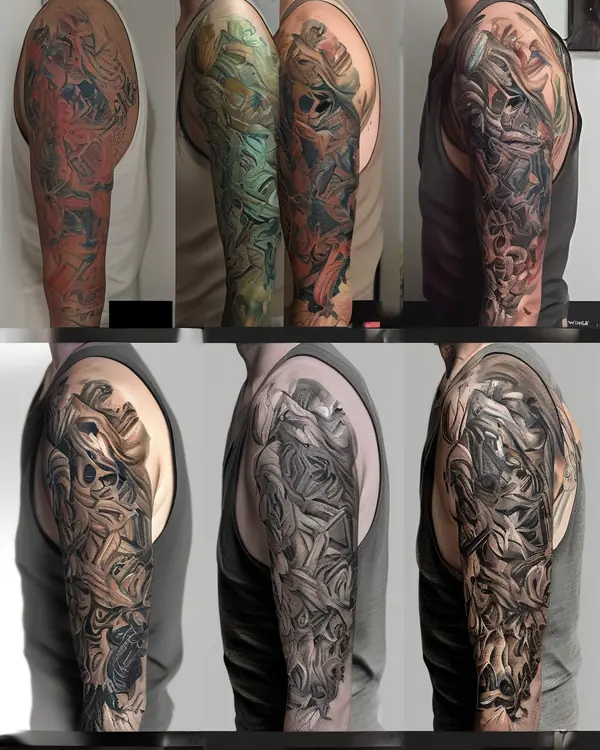
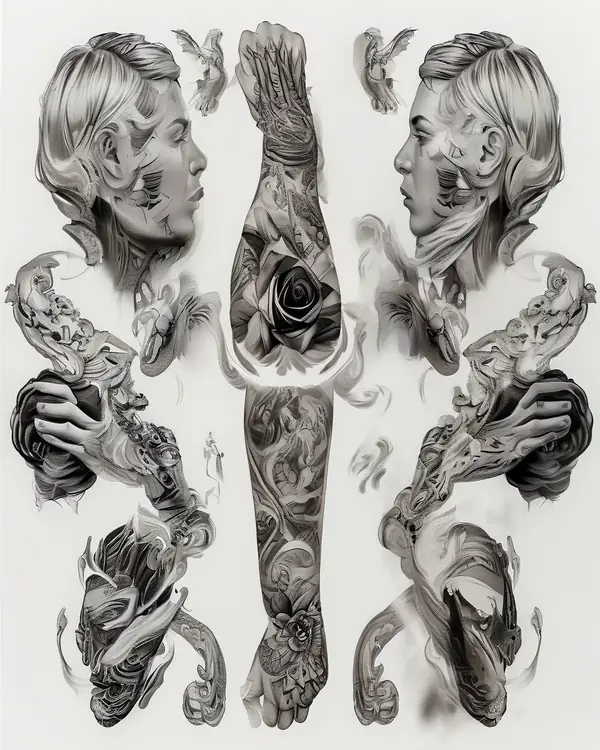
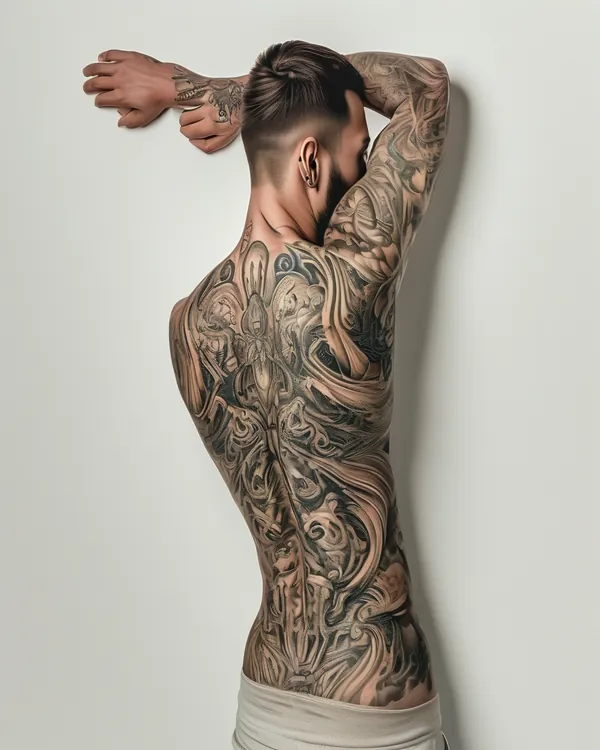
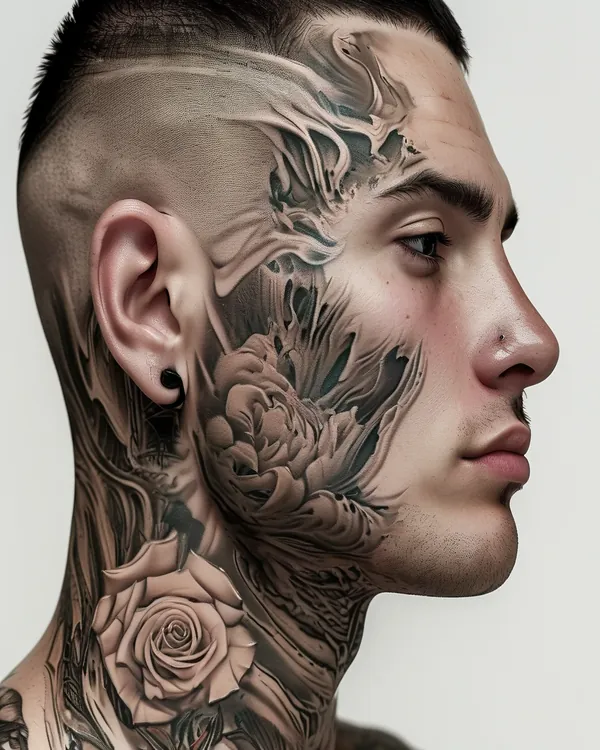
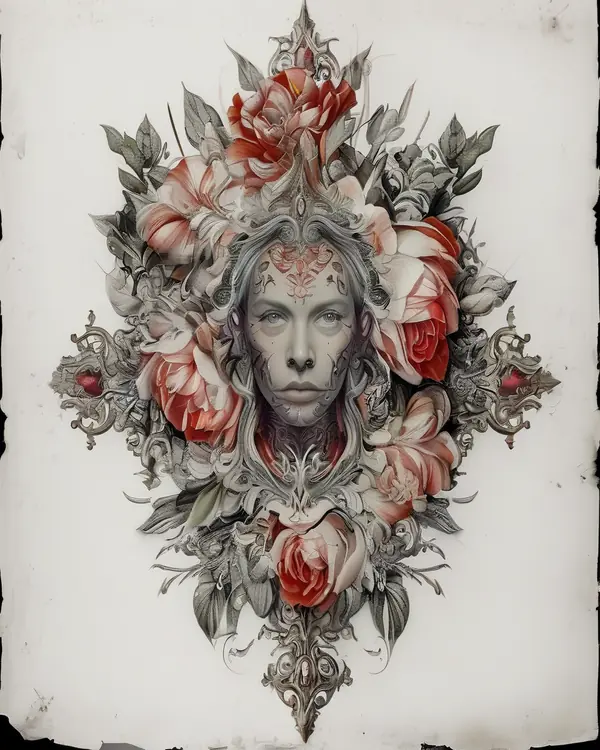
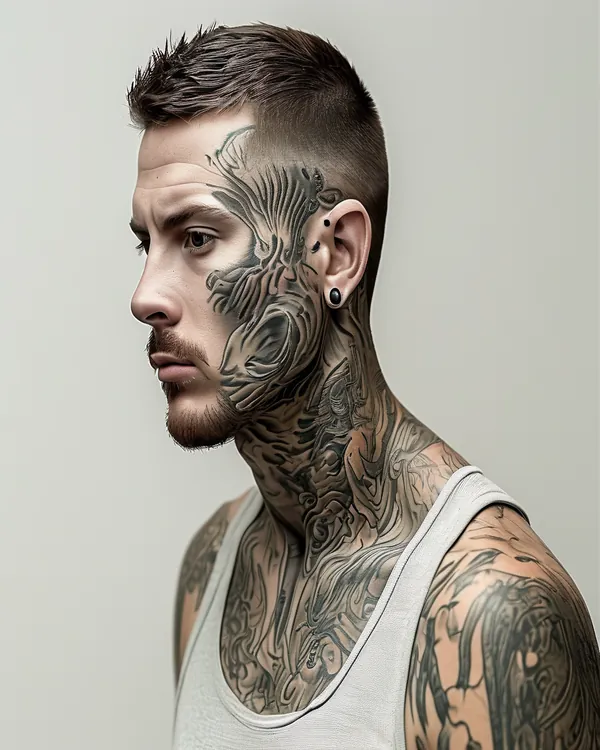
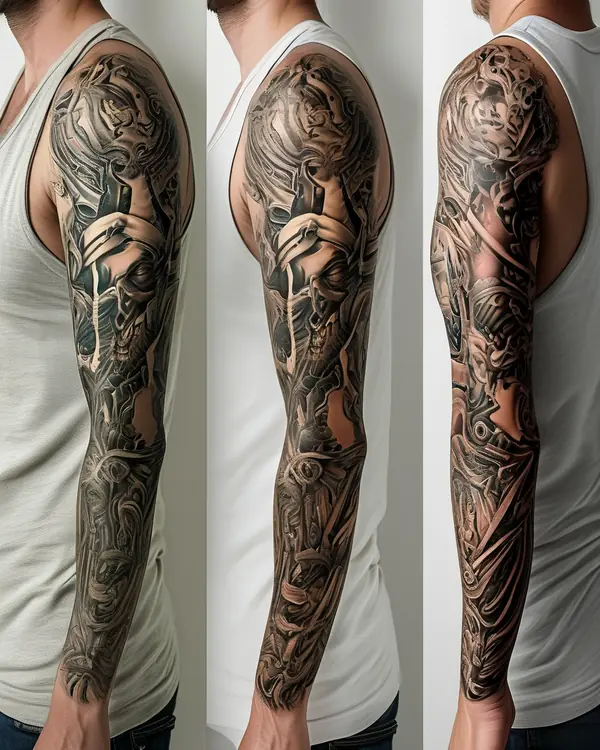
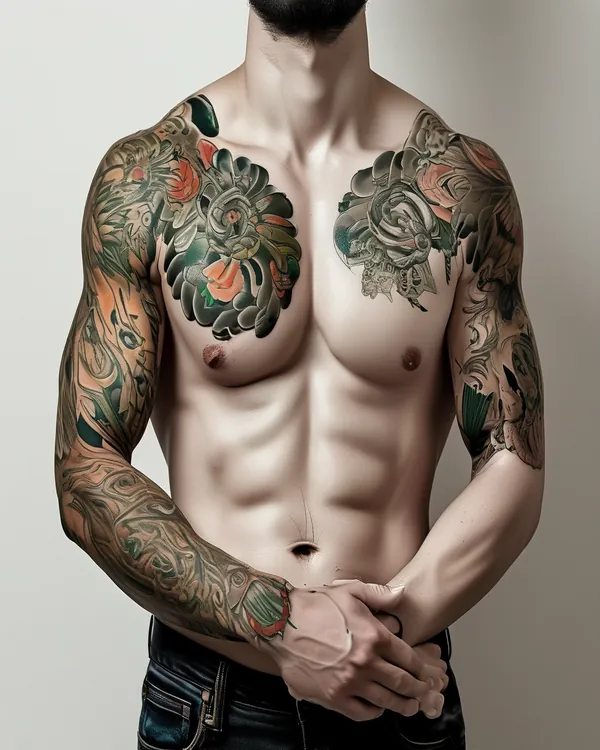
Preview any of these on your body in 3 steps
Upload a photo
A clear, well-lit photo of the area you are considering. Phone camera is fine.
Describe or pick the design
Choose a style from the gallery or describe what you want in plain words.
Compare and decide
Adjust size and placement, then share the preview with your artist as reference.
What defines a realism tattoo
Realism work is recognised by how it handles line, contrast and negative space rather than by subject matter. The rules are consistent across arms, ribs and backs: the composition has to stay readable as the body moves, which is why experienced artists design to the placement instead of drawing flat on paper and hoping the shape survives the skin.
Design notes from the chair
- Line weight: heavier outlines read better over time; hairline detail is the first thing to blur as ink settles.
- Scale: plan the smallest size you are happy with, then go 15–20% larger — shrinking detail is what kills legibility.
- Flow: the piece should follow the muscle it sits on, not sit on top of it like a sticker.
- Contrast: keep value range wide — the difference between the darkest and lightest area is what makes the piece pop from across a room.
Choosing a placement for a realism piece
Forearm and upper arm are the most forgiving: flat enough for detail, visible enough to enjoy, and easy to cover if you need to. Ribs and spine give a long vertical canvas that suits flowing compositions, but they are among the most painful areas and the ink can distort with weight change. Wrists, ankles and hands are high visibility and high friction — expect faster fading and touch-ups. If you are unsure, preview two placements side by side with the simulator before deciding.
Size, sessions and cost
Most artists price realism work by the hour or by the session rather than by design. A small piece is typically a single sitting; anything covering a forearm usually takes two to four sessions, spaced three to six weeks apart so the skin can heal between passes. Ask three questions before booking: how many sessions they expect, what the hourly rate is, and whether touch-ups after healing are included.
Pain and aftercare, realistically
Pain scales with proximity to bone and nerve density — outer forearm is mild, ribs, ribs and feet are not. The first twenty minutes are the worst and it settles after that. Aftercare is unglamorous and decisive: keep it clean, moisturise thinly and often, do not scratch, and keep it out of direct sun and pools for the first two weeks. Sun exposure over the following years is what fades a tattoo long before the ink does.
Common mistakes with realism designs
- Choosing the design at screen size and never viewing it on the body at the target scale.
- Packing fine detail into a small area instead of simplifying the shape.
- Copying a design exactly without asking the artist to adapt it to that specific muscle group.
- Skipping the touch-up session once the piece has healed and settled.
Frequently asked about realism tattoo ideas
Use the gallery above as starting reference, then use the simulator to check the design against your own body. If you are also planning lettering or a cover-up, look at script & lettering and the cover-up designer before you commit to a size.
The reference-photo test: three checks before anyone quotes you
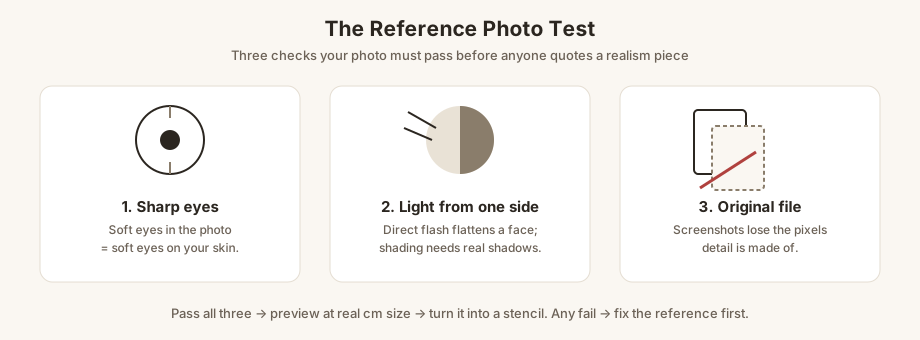
A realism tattoo can only be as good as the photo it is built from — an artist can repaint a background, but cannot invent detail your picture does not have. Run your reference through three checks before you ask for a quote:
- Sharp eyes. Soft eyes in the photo heal into soft eyes on your skin. Zoom to 100%: if the iris edges smear on screen, they will smear in ink.
- Light from one side. Direct flash flattens a face and erases the shadow map the shading is built from. Side-lit photos give the artist real values to work with.
- The original file, not a screenshot. Every re-upload throws away the pixels that fine detail is made of. Send the camera original, or bring it on a stick.
Two separate roads: designing the piece vs finding the hands
Half the people typing “realism tattoo near me” are still at the photo stage — and no artist search fixes a reference that fails the test above. Settle the design first: preview candidates on your actual body, check the size at real centimetres (micro realism blurs first — forearm and upper arm hold detail best), then use the preview checklist to decide what is settled. A tested reference plus real-size previews is what turns a shop consult into a booking — and when the design passes, run it through the stencil generator so the artist receives a 1:1 layout, not a screenshot.
FAQ — Realism tattoos
How much does a realism tattoo cost?
Most artists charge by the hour or by session rather than by design. A small realism piece is usually one sitting; larger pieces covering a forearm or back typically run two to four sessions. Ask for the hourly rate, the expected number of sessions, and whether touch-ups are included.
How do I know if a realism design will suit my body?
Upload a photo to the simulator and place the design at the size you are considering, then look at it from a distance. If it stays readable at arm's length, it will hold up on skin.
Do realism tattoos age well?
Bold line work, solid contrast and clear negative space age the best. Very fine detail and tiny lettering soften first as ink settles and skin changes.
Is it safe to bring a realism reference to my artist?
Yes. Bring three to five references and explain what you like about each one. A good artist will redraw the idea for your body instead of copying it exactly.
Which placement works best for realism designs?
Outer forearm and upper arm are the most forgiving for detail and visibility. Ribs and spine suit long flowing compositions but are more painful; wrists and hands fade faster.
Do realism tattoos fade?
All tattoos soften over decades — realism fails differently. Without an outline to hold the shape, the piece survives only on contrast. Built mostly from mid-greys it collapses into a smudge within years; built with deep blacks under the shading it reads clearly far longer. Micro realism fades furthest fastest: detail gaps fill as skin ages, so eyelashes and fur merge first. Ask to see ten-year healed photos, not fresh work.
Do realism tattoos hurt more?
Same needle, same spot, longer exposure. The pain of a realism session is the pain of that placement — but layered shading runs the machine over the area for more hours, so fatigue and sensitivity build late in the session. A portrait on the forearm hurts like a forearm tattoo; it just hurts for four hours instead of one. Check the per-spot ratings in our placement guides before booking long sessions.
How long does a realism tattoo take?
Longer than any style at the same size, because smooth gradients are built in washes — layer over layer — instead of line-and-pack. Expect roughly double the hours of traditional work: a palm-sized piece may fill one session, a half sleeve often runs three to six hours per session across several visits. The quote you get should be in sessions, not a single price.
Still deciding? Put it on your skin first.
Upload a photo and see any of these 24 designs on your own body in about ten seconds. No sign-up for your first preview.
Open the simulator