Dotwork Tattoo Ideas
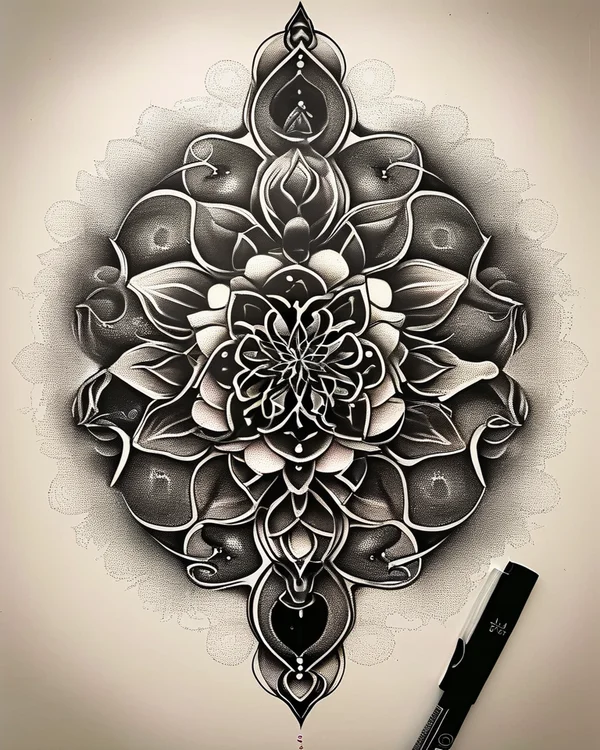
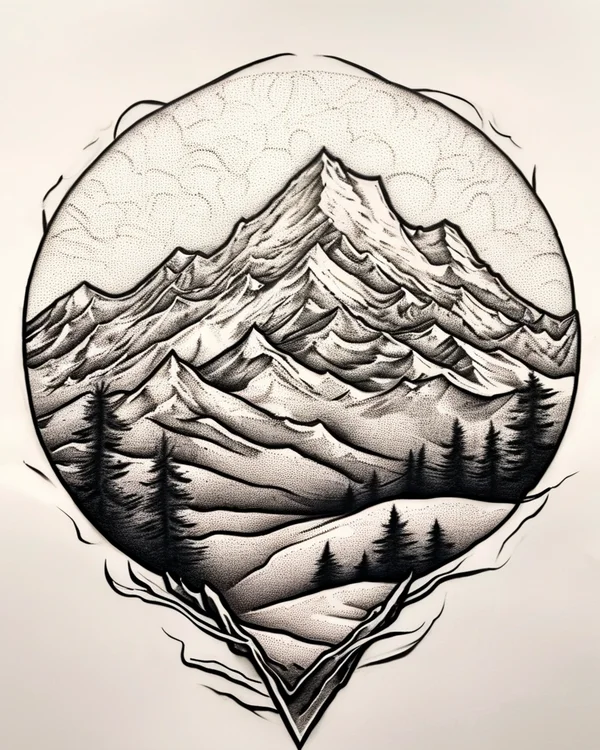
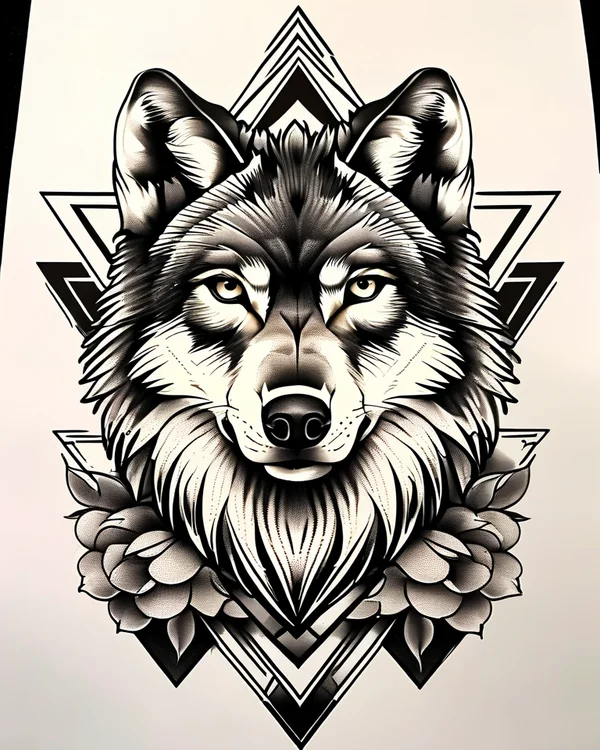
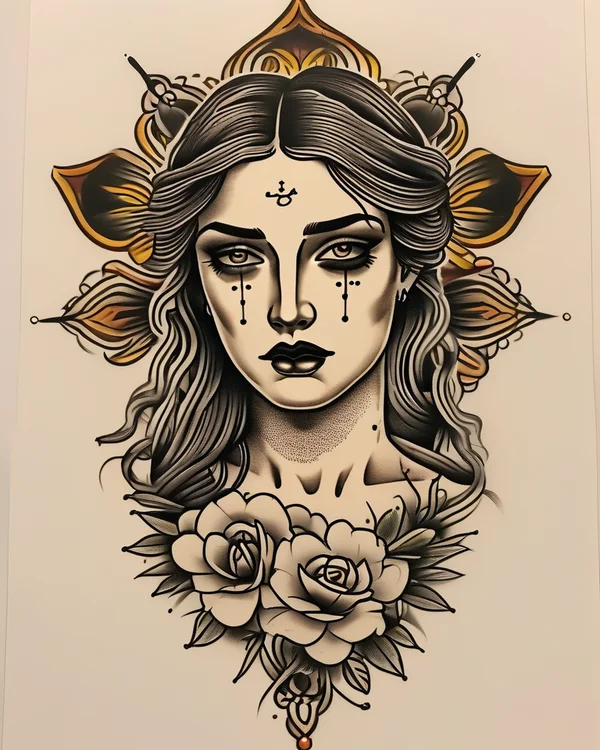
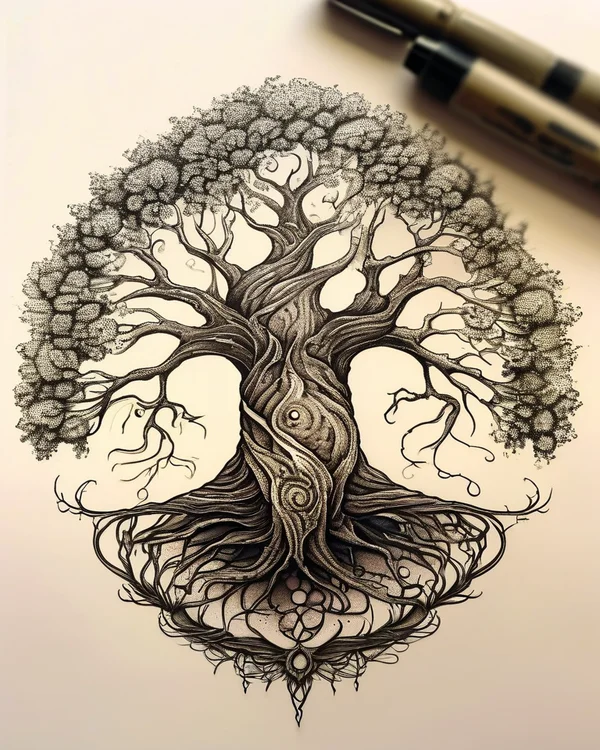
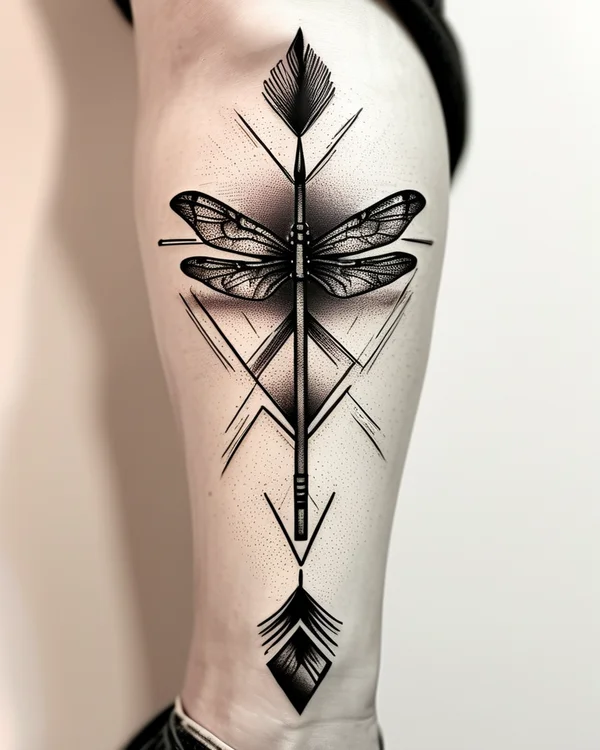
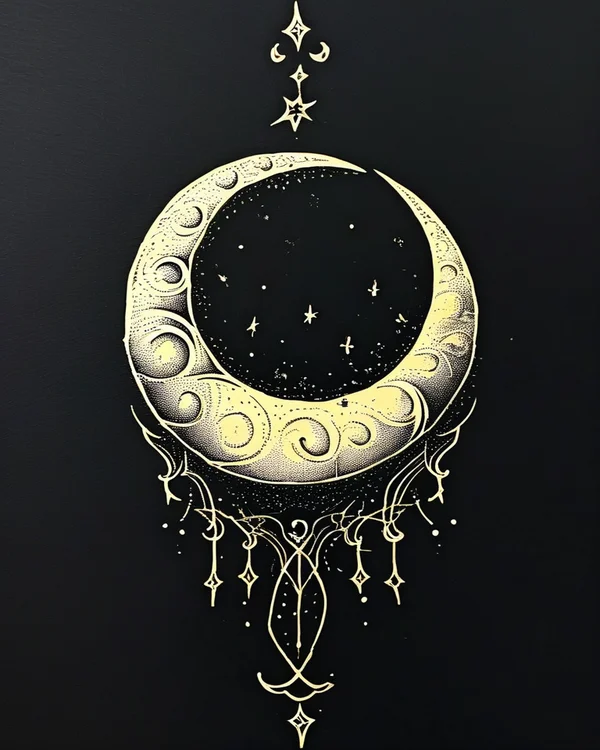
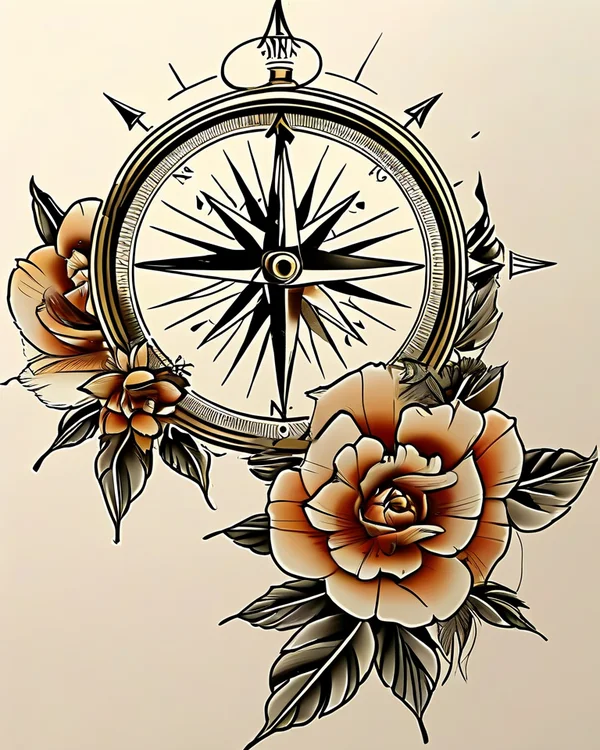
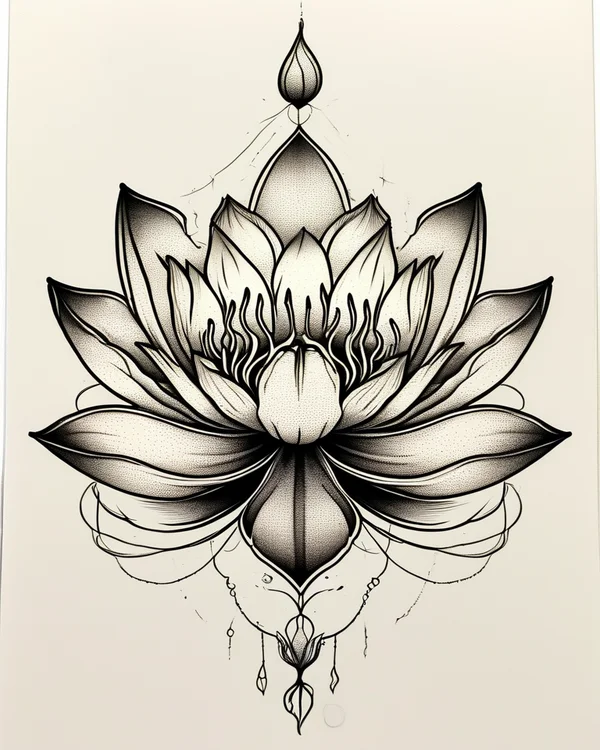
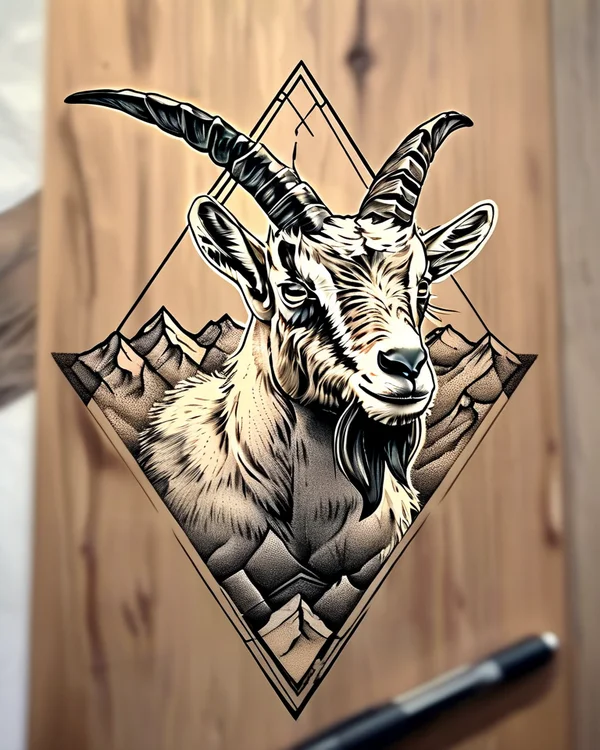
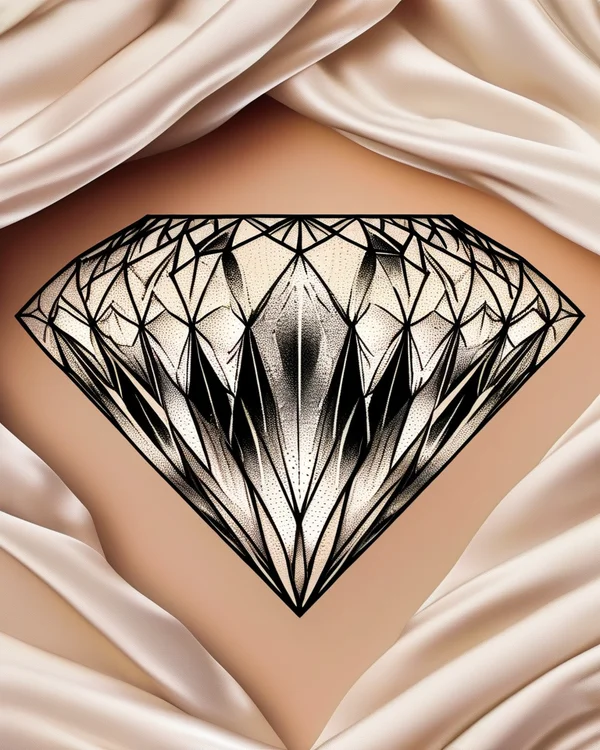
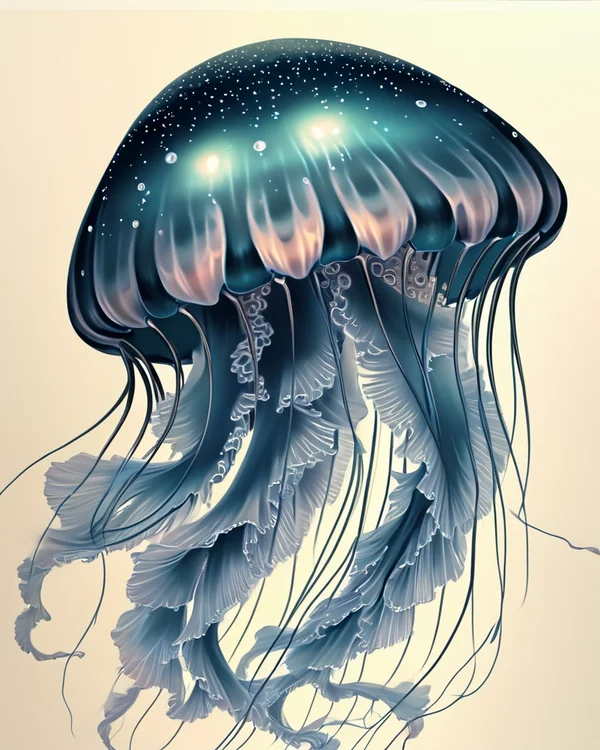
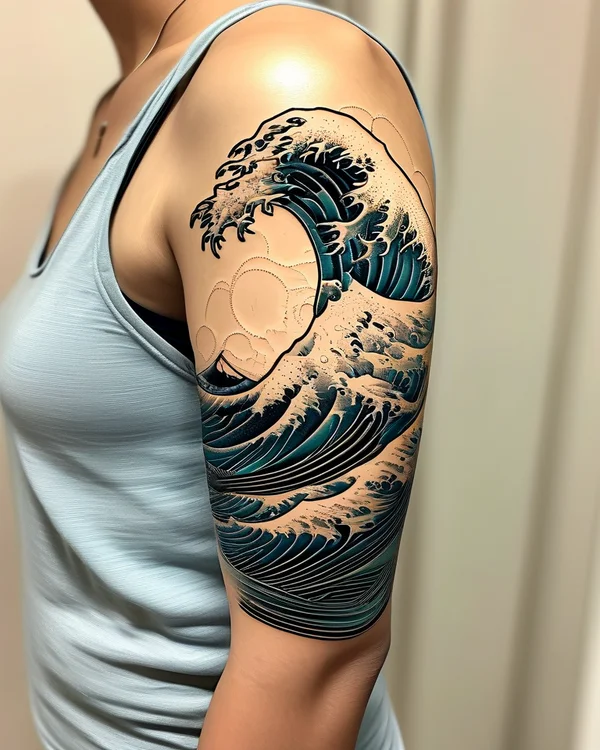
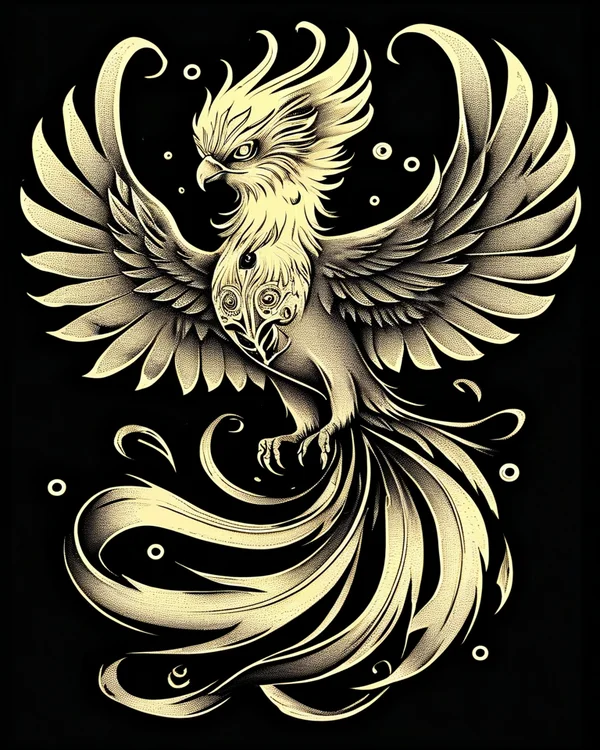
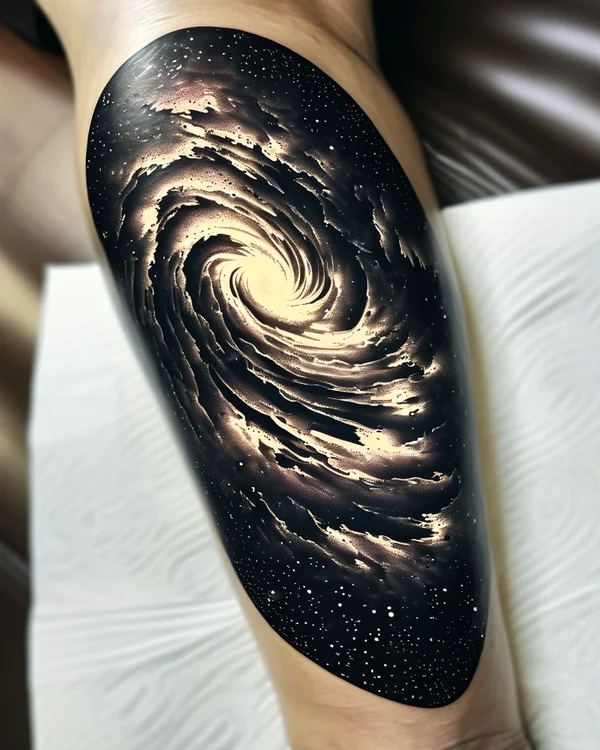
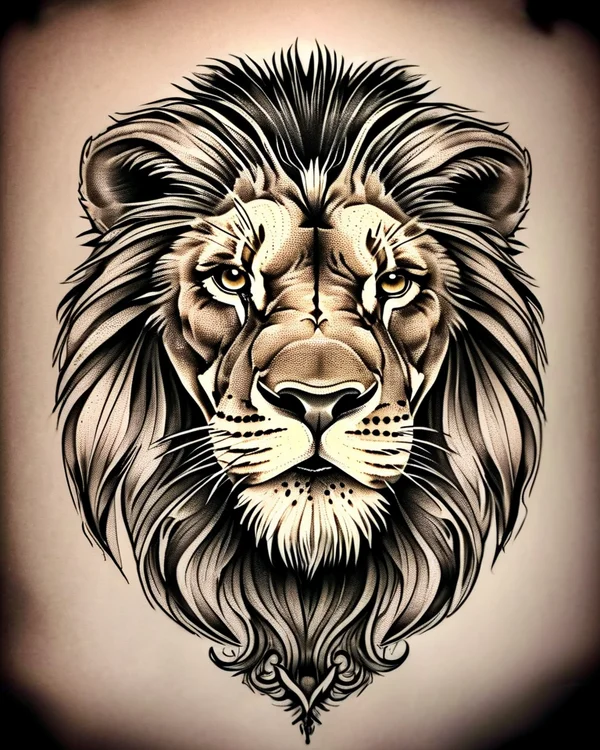
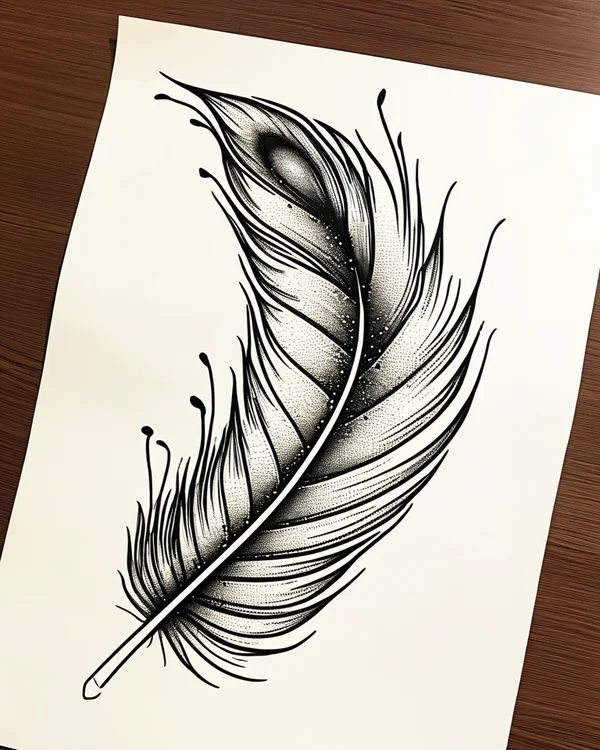
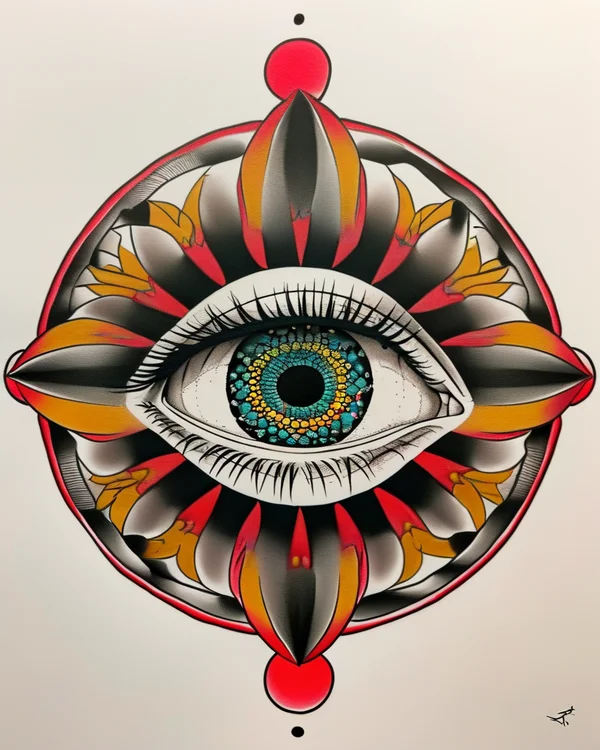
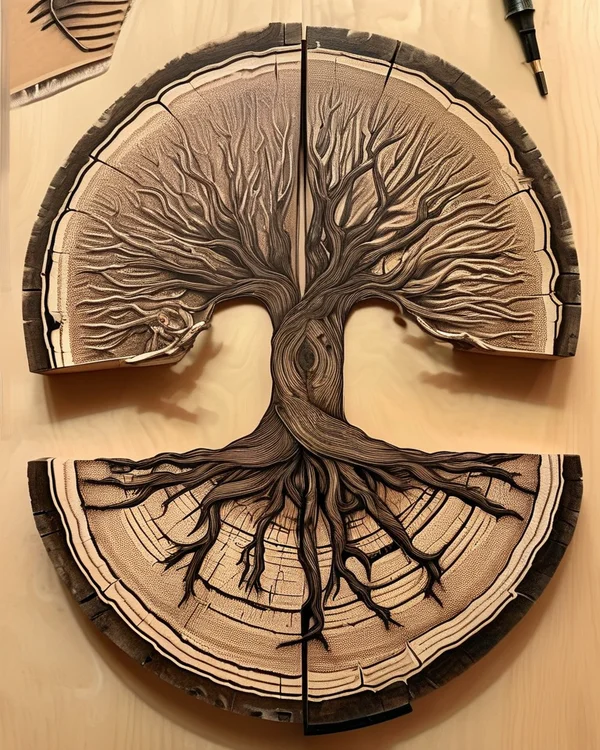
Images built entirely from individual dots — stippled shading, tonal gradients and intricate detail from hand-poke or machine technique. Browse 24 reference designs below, then preview any of them on your own body with the free tattoo simulator.
dotwork tattoo ideas
24 reference designs. Click any design to preview it on your own photo — the simulator keeps the design on your skin while you adjust size and placement.
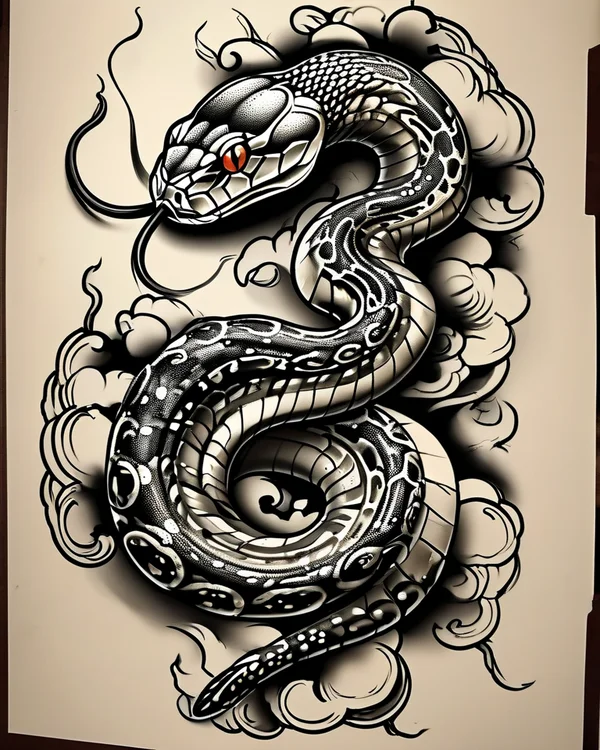
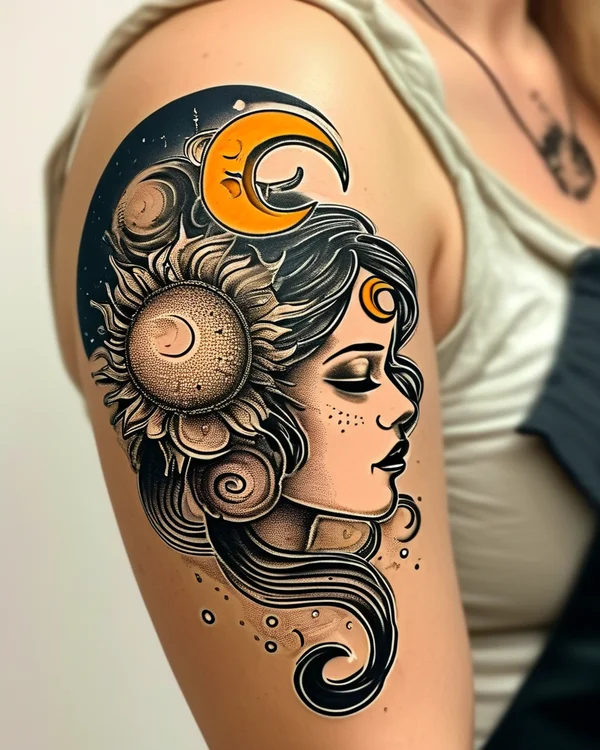
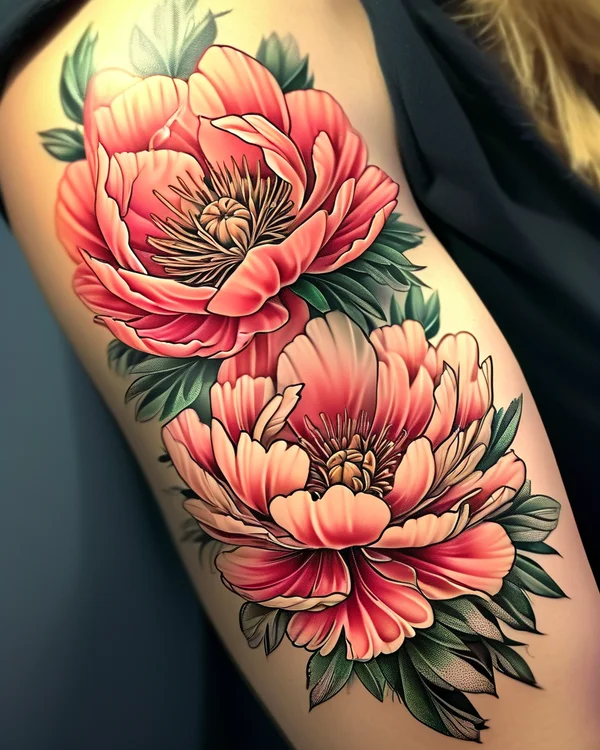

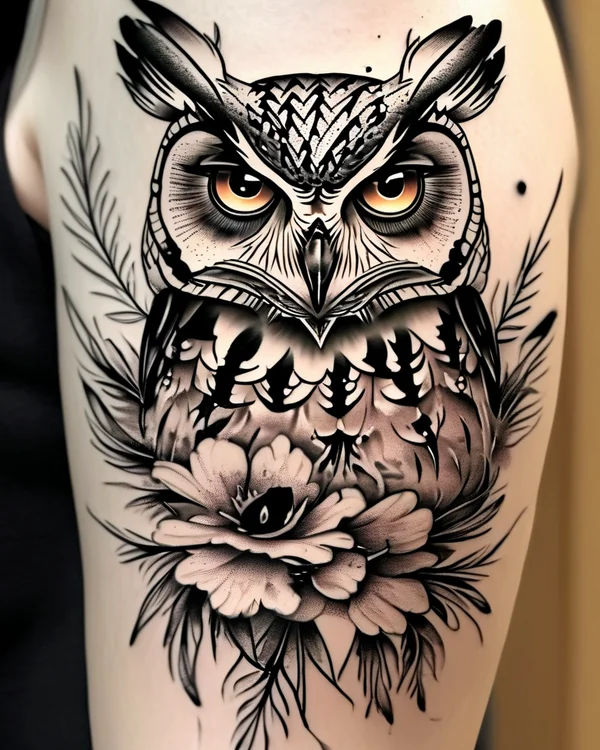
Preview any of these on your body in 3 steps
Upload a photo
A clear, well-lit photo of the area you are considering. Phone camera is fine.
Describe or pick the design
Choose a style from the gallery or describe what you want in plain words.
Compare and decide
Adjust size and placement, then share the preview with your artist as reference.
What defines a dotwork tattoo
Dotwork is a tattoo technique where the entire image — shading, texture, gradients, and sometimes outlines — is built from individual dots rather than continuous lines or solid colour fills. The result has a distinctive stippled, almost ethereal quality that sets it apart from any other tattoo style. Each dot is placed deliberately by the artist's hand or, in some cases, by a machine set to a single-needle configuration. The density of the dots creates tonal value: areas with closely packed dots read as dark shadows, while widely spaced dots create light, airy mid-tones. The bare skin between dots becomes the lightest value in the composition. This technique demands patience, precision, and a strong understanding of how dot density translates to visual tone on skin.
Design notes from the chair
- Line weight: Dotwork technically has no "lines" in the traditional sense — outlines are created by placing dots in a row. The perceived line weight depends on dot size and spacing. Closer, larger dots create a bolder outline; smaller, spaced dots create a softer, more diffused edge.
- Scale: Dotwork designs need enough surface area for the dot pattern to be readable. On a small piece (under 8 cm), the dots risk merging into a muddy texture as the ink settles. Aim for at least 10 cm for the design to retain its stippled character over time.
- Flow: Dotwork compositions often feature radial symmetry, mandala-like structures, or organic forms that follow the body's natural contours. The technique works particularly well for sacred geometry, animal portraits, and abstract compositions.
- Contrast: The full tonal range from bare skin to densely packed black dots gives dotwork exceptional contrast. Artists often use this to create dramatic, high-impact pieces that read clearly from a distance despite the intricate detail up close.
Dotwork techniques: hand-poke vs machine
Hand-poke tattooing (also called stick-and-poke or tebori-inspired) uses a single needle dipped in ink, manually pushed into the skin one dot at a time. This method is slower but produces a softer, more organic dot texture that many people prefer for its artisanal quality. Machine dotwork uses a standard tattoo machine configured for single-needle work, which produces more uniform dots and allows the artist to work faster. Both methods produce excellent results — the choice comes down to the aesthetic you prefer and the artist's specialisation. Some artists combine both approaches, using a machine for structural elements and hand-poking for fine shading details.
Choosing a placement for a dotwork piece
Dotwork designs perform best on areas with enough flat surface for the dot pattern to remain consistent. The outer forearm, upper arm, shoulder blade, and thigh are all excellent choices. The chest and sternum work well for symmetrical, mandala-style dotwork compositions. The spine is a popular placement for vertical dotwork designs — the long, narrow canvas suits geometric columns and sacred geometry patterns. Avoid areas with very thin skin or high friction (hands, feet, inner wrist) because individual dots in those areas are more prone to blowout or fading. Use the simulator to preview how dot density reads on your specific skin tone and placement.
Size, sessions and cost
Dotwork tattoos take significantly longer than solid-fill or lined tattoos of the same size because every single dot is placed individually. A medium dotwork piece (15 to 20 cm) that might take two hours with traditional lining and shading can take four to six hours with dotwork technique. A full dotwork sleeve is a multi-month commitment, often requiring six to ten sessions. Because of the time investment, many dotwork artists charge by the session rather than by the piece. Ask about the expected number of sessions, the session rate, and whether touch-ups for any dots that did not heal evenly are included.
Pain and aftercare, realistically
The pain experience with dotwork is slightly different from traditional tattooing. Many people describe it as a tapping or stinging sensation rather than the continuous scratching of a liner needle. The process is slower, which means longer sessions, but the breaks between dots give the skin brief moments to recover. Aftercare is the same as any tattoo: gentle washing, thin moisturiser, no picking at flaking skin, no sun exposure for a month, and no soaking for two weeks. Because dotwork relies on individual points of ink, any dot that loses pigment during healing will be visible — careful aftercare is especially important for this style.
Common mistakes with dotwork designs
- Choosing dotwork for a piece that is too small — the dots will merge into a solid tone over time, losing the stippled effect that makes the style distinctive.
- Not researching the artist's dotwork portfolio — this technique requires specific skill, and a generalist tattoo artist may not produce the precision needed for clean dotwork.
- Expecting hand-poke and machine dotwork to look identical — they have different textures, and you should choose based on the aesthetic you actually want.
- Underestimating session length — dotwork takes time, and rushing the process leads to inconsistent dot spacing and uneven tonal gradients.
- Skipping the touch-up session once the piece has healed and settled.
Frequently asked about dotwork tattoo ideas
Use the gallery above as starting reference, then use the simulator to check the design against your own body. If you are also considering geometric or sacred geometry styles, browse geometric tattoo ideas and sacred geometry tattoo ideas for related inspiration. For cover-up work, the cover-up designer can help you see how dotwork might conceal an existing tattoo.
Where dotwork came from — and how it differs from blackwork
Tattoo historians trace European dotwork to the 1500s–1600s, when Portuguese sailors poked constellations of single dots across their chests — the oldest widely documented example of shading built from nothing but points. Two centuries later Victorian studios refined it into stippled mourning jewellery and cameo portraits, entirely in dots, on women who could not be seen tattooed in any bolder style. What both eras understood is that dots read as tone from a distance and as craft up close.
That dual reading is exactly what separates dotwork from blackwork today. Blackwork fills area with solid pigment: high contrast, graphic, unambiguous at any distance. Dotwork fakes the same gradient one needle-point at a time — a technique that translates directly to AI tattoo generator prompts, because “built from individual dots, wide dot spacing” tells the model to keep the depth in points instead of airbrush shading a machine cannot ink.
The honest trade-off: dotwork ages slower than you think and faster than you hope. Ink spreads a few tenths of a millimetre under skin over the years, so dense dot fields merge into a soft grey — beautiful if the spacing was generous, muddy if every dot sat at minimum distance. Ask your artist to space dots for ten-year-old skin, not for the healed photo on Instagram. Small pieces under 5 cm suffer most; if the composition is tiny, fine line usually outlives dotwork.
Comparing the two styles before you commit? Browse blackwork tattoo ideas side by side with these, then put the winner on your own body in the free tattoo simulator — tone reads differently at your size, on your skin tone.
FAQ — Dotwork tattoos
How much does a dotwork tattoo cost?
Most artists charge by the hour or by session rather than by design. A small dotwork piece is usually one sitting; larger pieces covering a forearm or back typically run two to four sessions. Ask for the hourly rate, the expected number of sessions, and whether touch-ups are included.
How do I know if a dotwork design will suit my body?
Upload a photo to the simulator and place the design at the size you are considering, then look at it from a distance. If it stays readable at arm's length, it will hold up on skin.
Do dotwork tattoos age well?
Bold line work, solid contrast and clear negative space age the best. Very fine detail and tiny lettering soften first as ink settles and skin changes.
Is it safe to bring a dotwork reference to my artist?
Yes. Bring three to five references and explain what you like about each one. A good artist will redraw the idea for your body instead of copying it exactly.
Which placement works best for dotwork designs?
Outer forearm and upper arm are the most forgiving for detail and visibility. Ribs and spine suit long flowing compositions but are more painful; wrists and hands fade faster.
Still deciding? Put it on your skin first.
Upload a photo and see any of these 24 designs on your own body in about ten seconds. No sign-up for your first preview.
Open the simulator