Sacred Geometry Tattoo Ideas
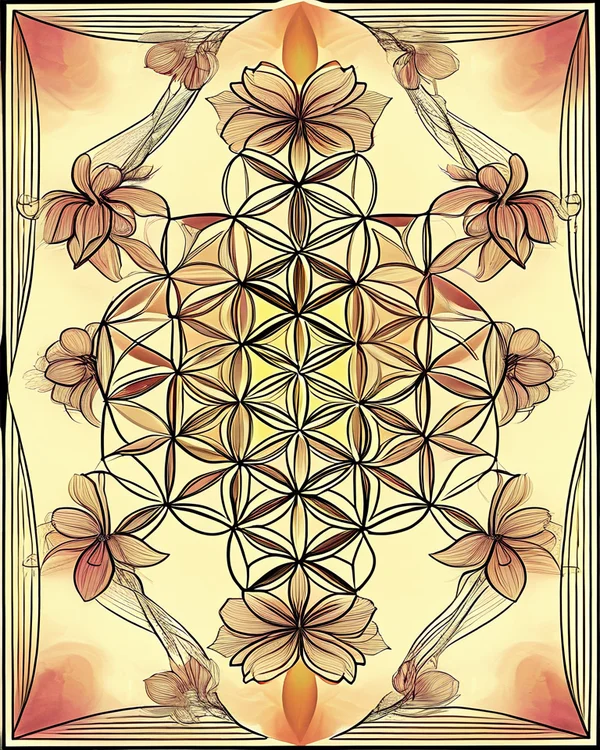
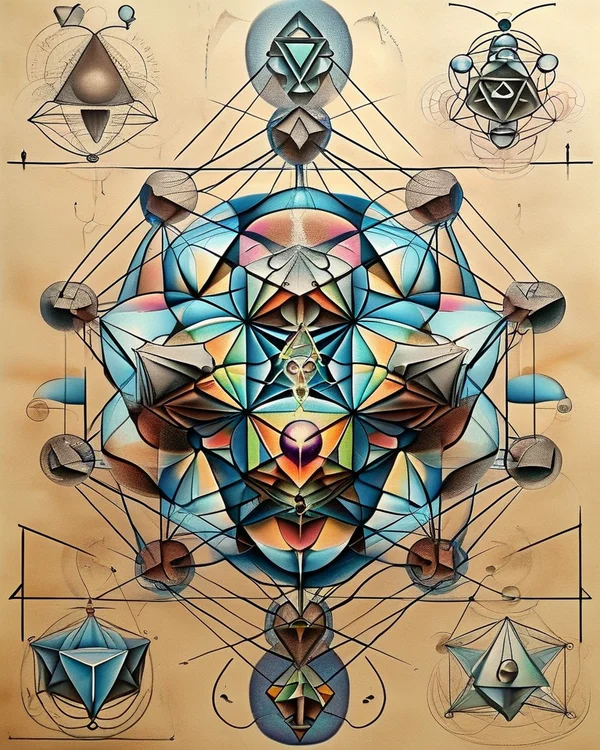
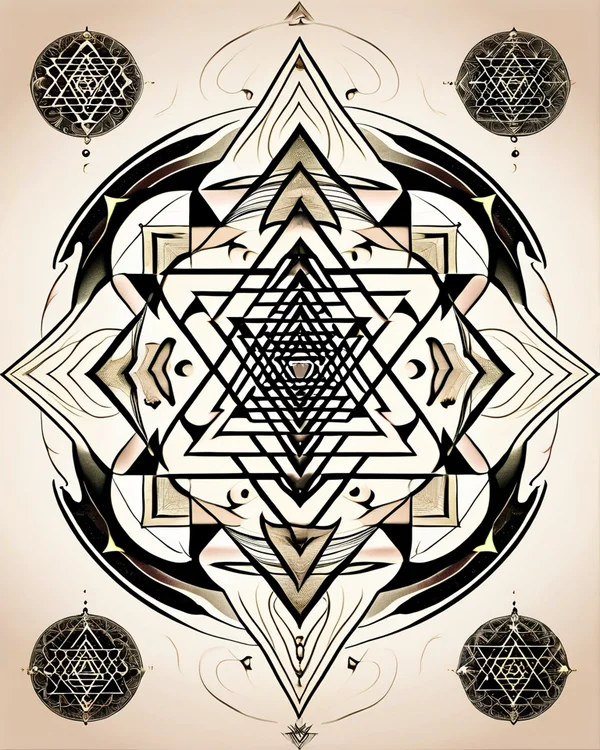
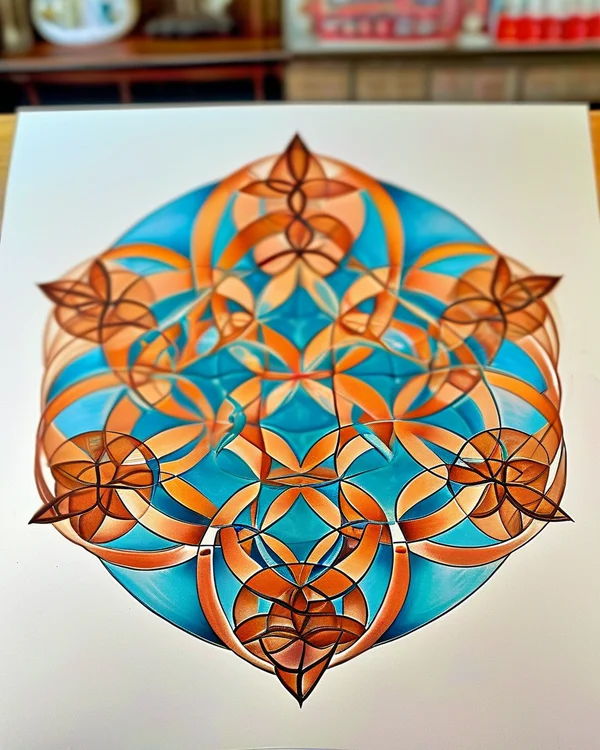
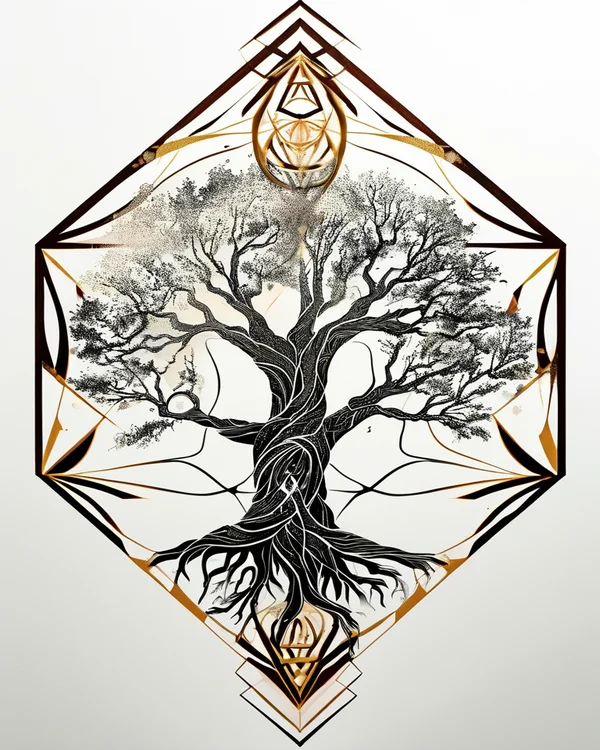
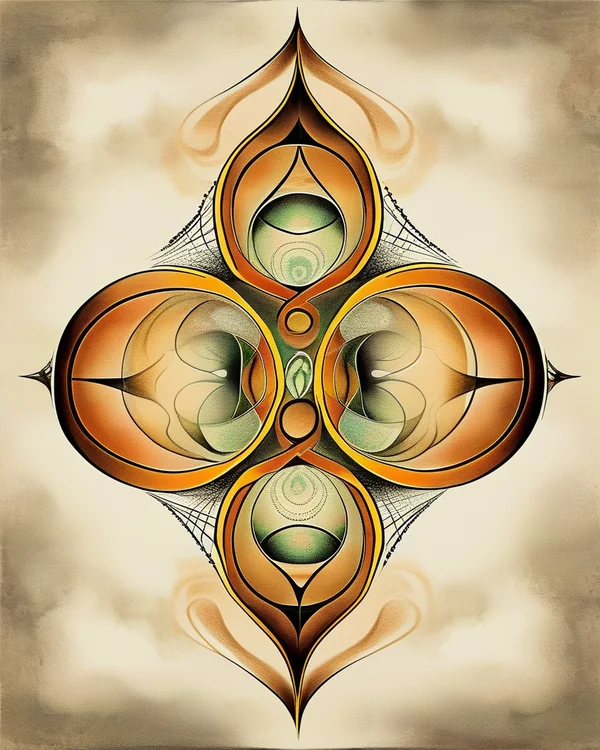
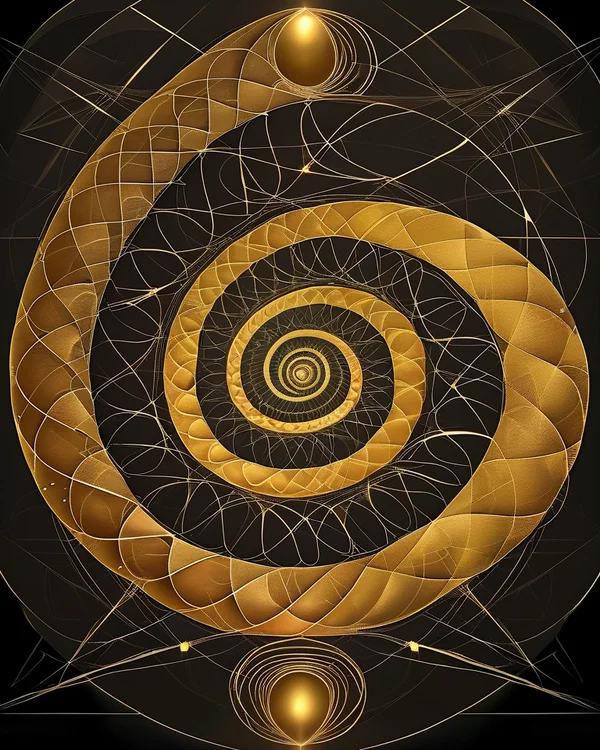
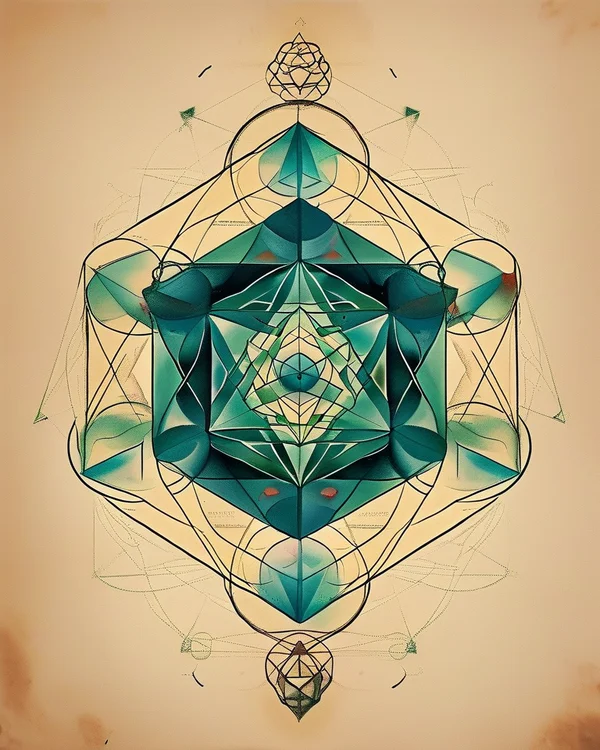
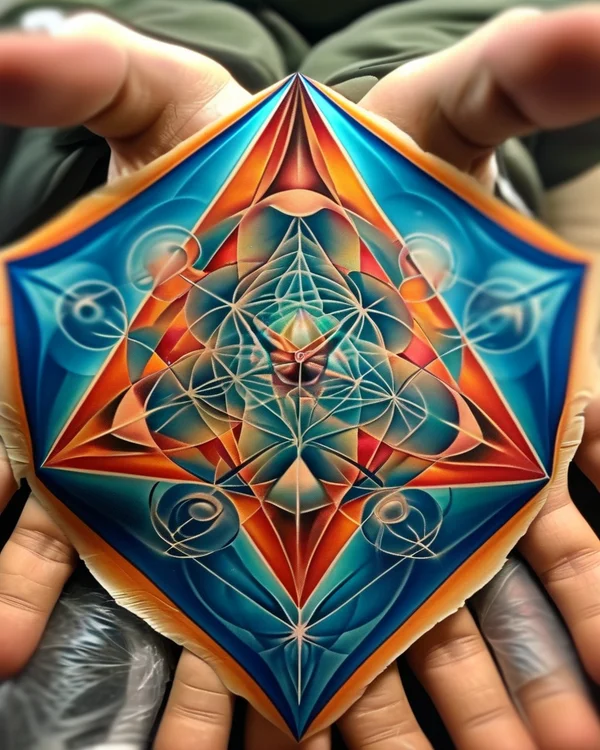
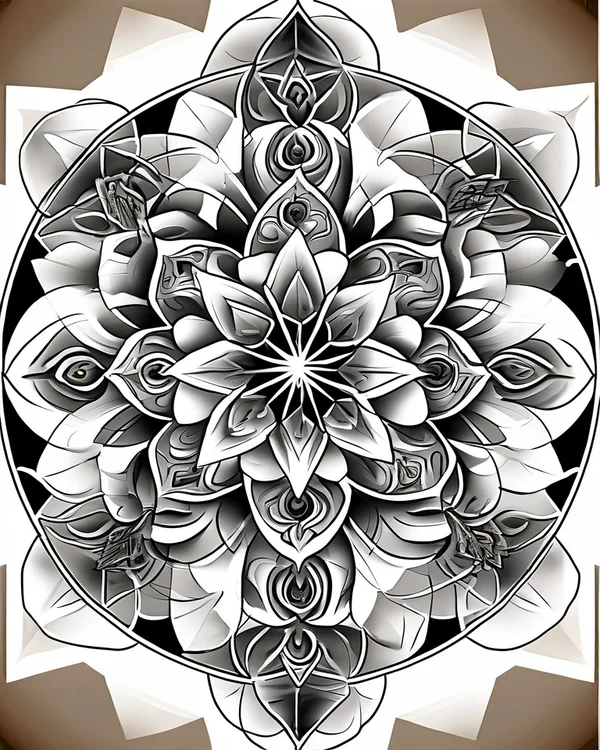
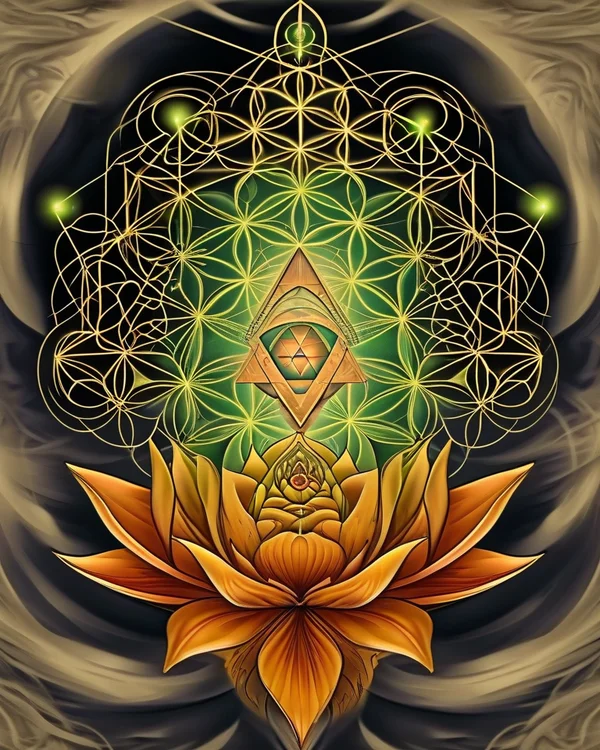
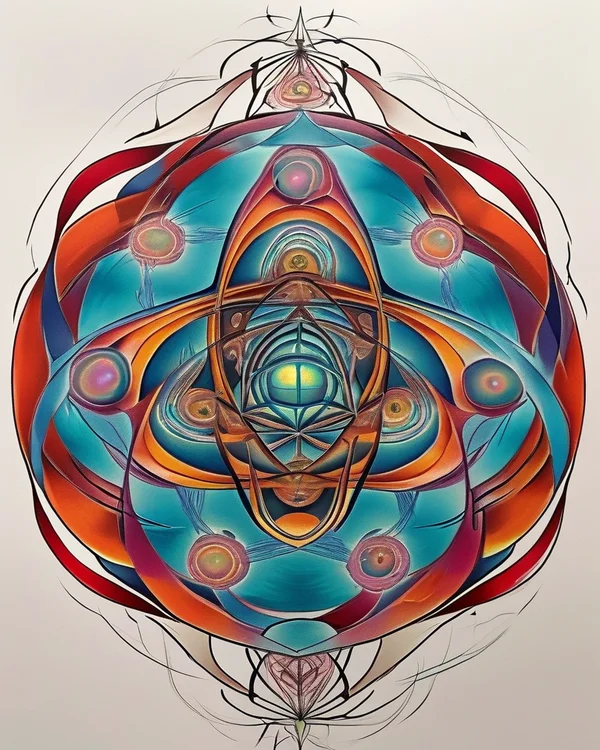
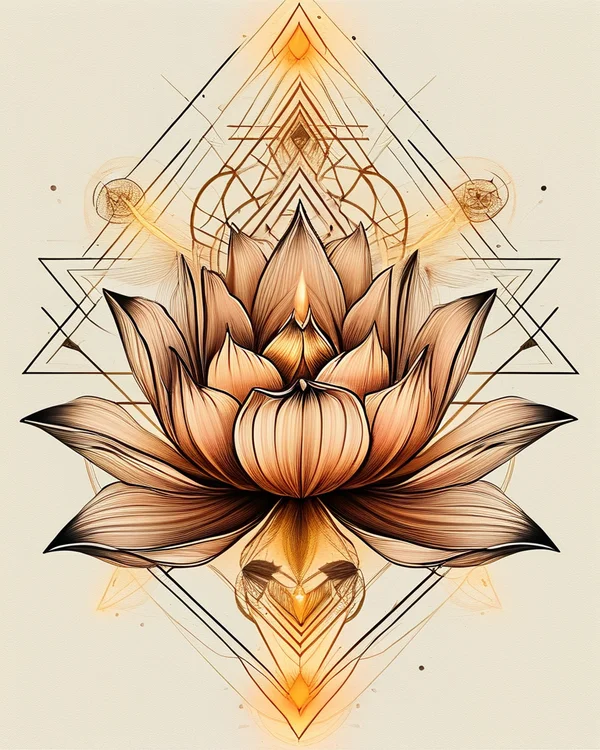
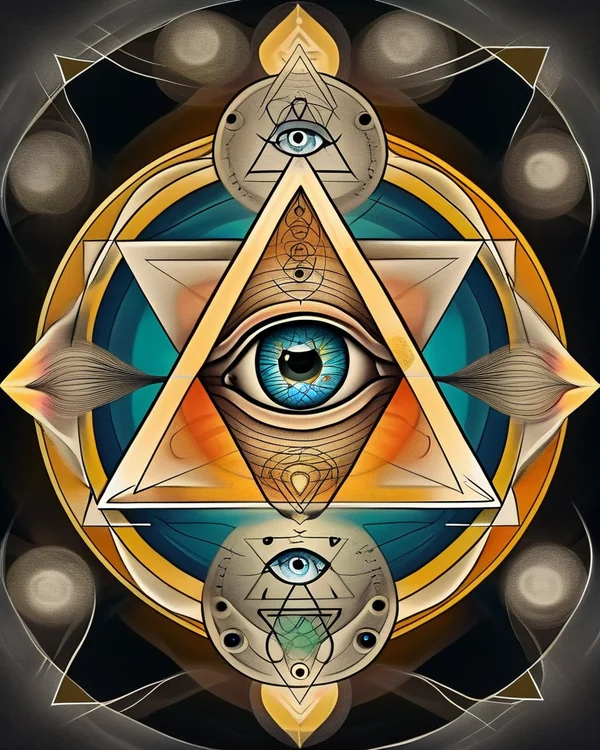
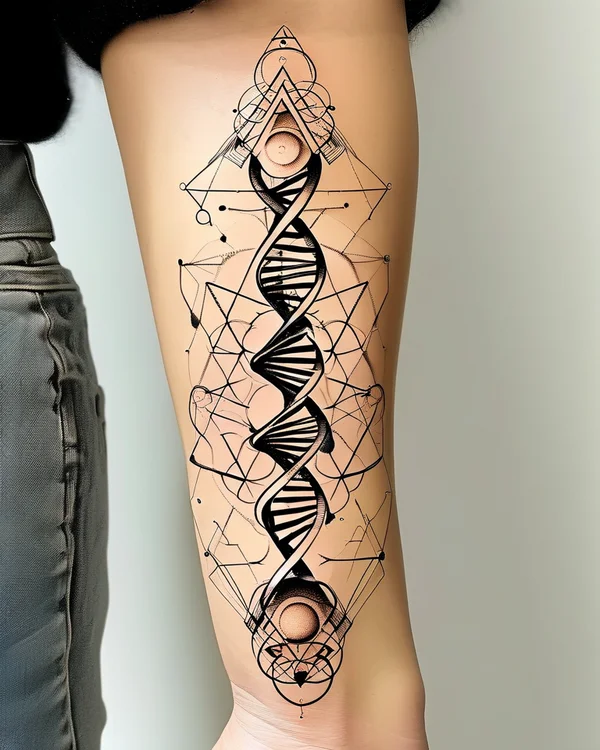
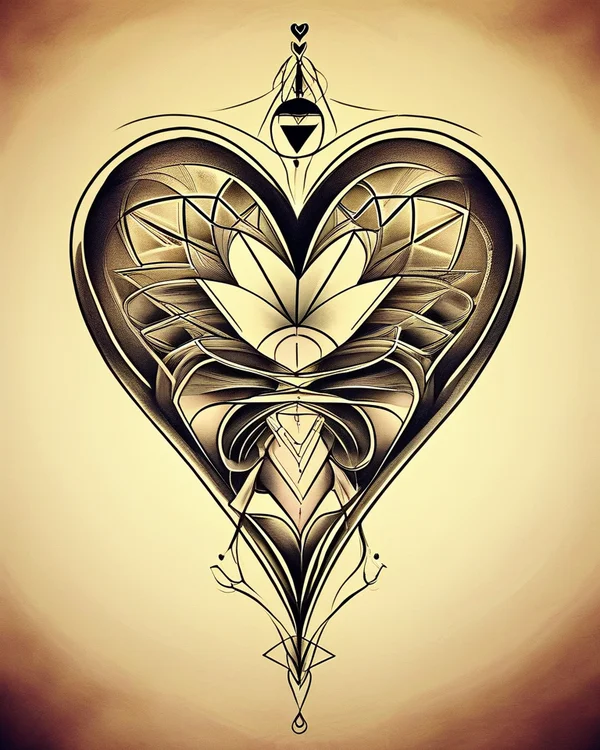
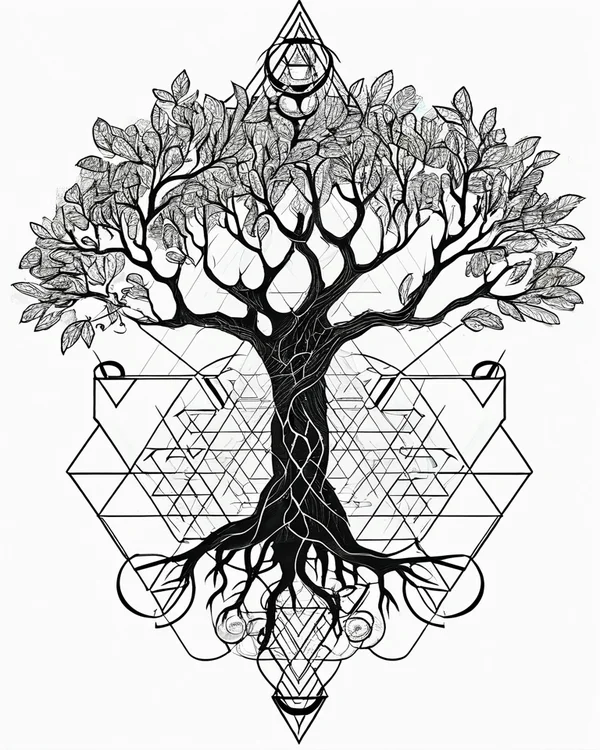
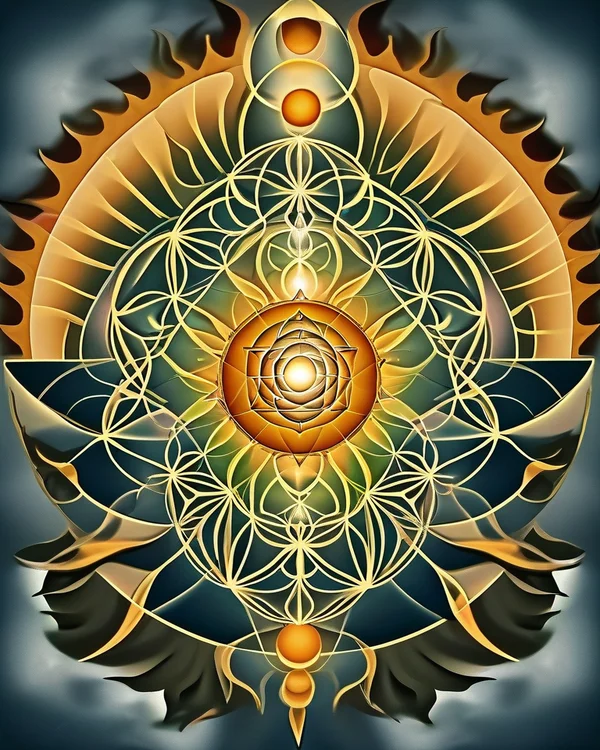
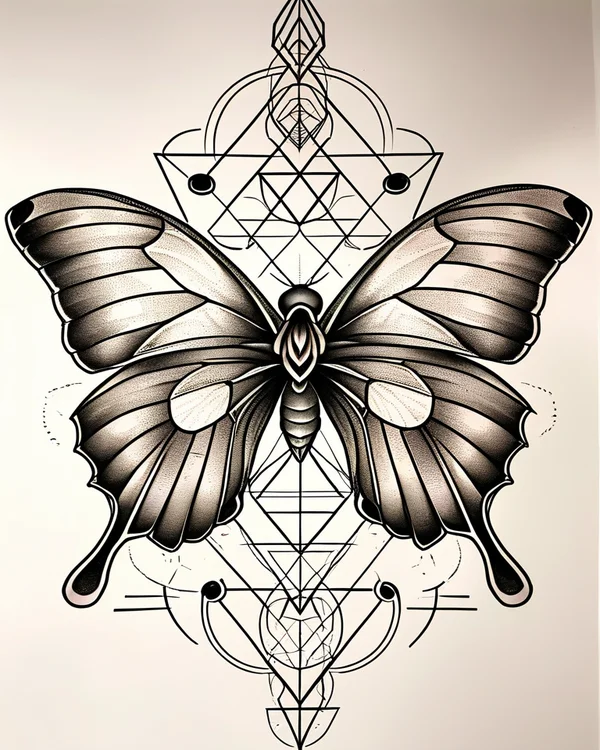
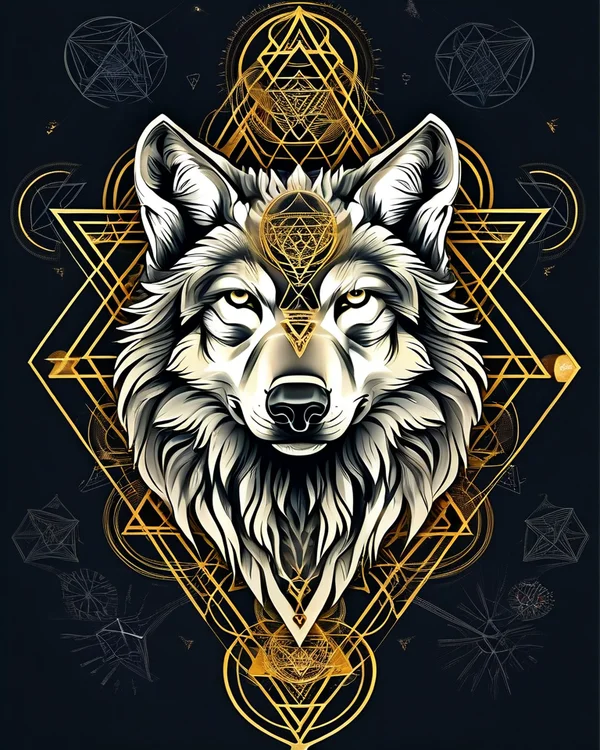
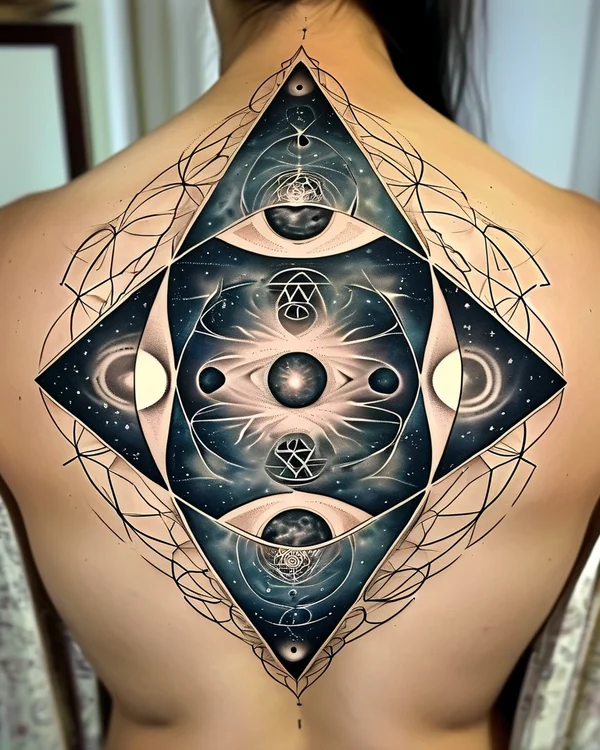
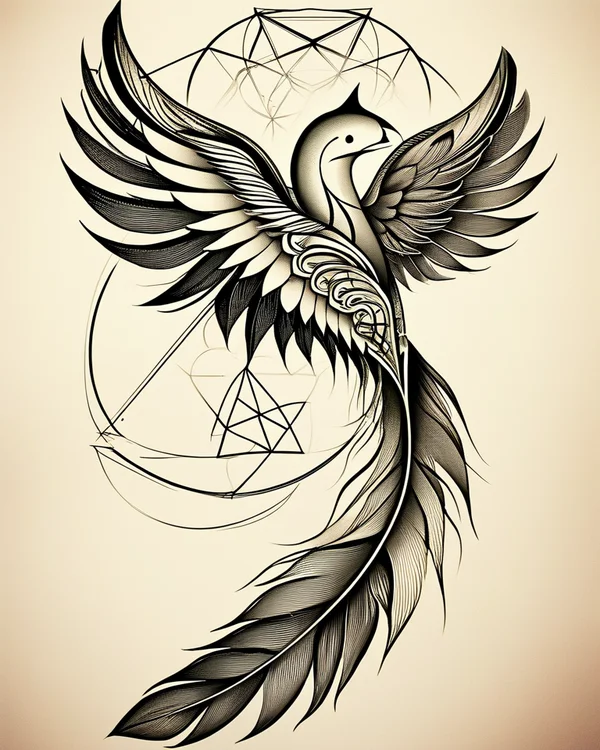
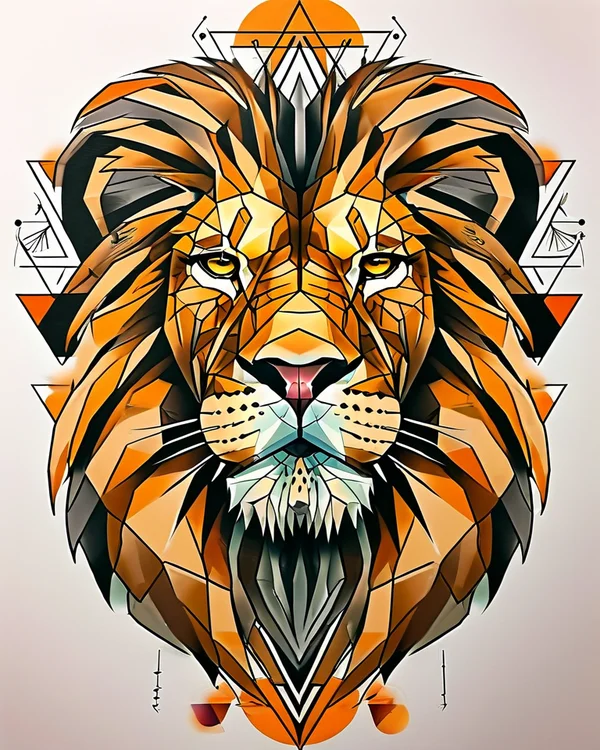
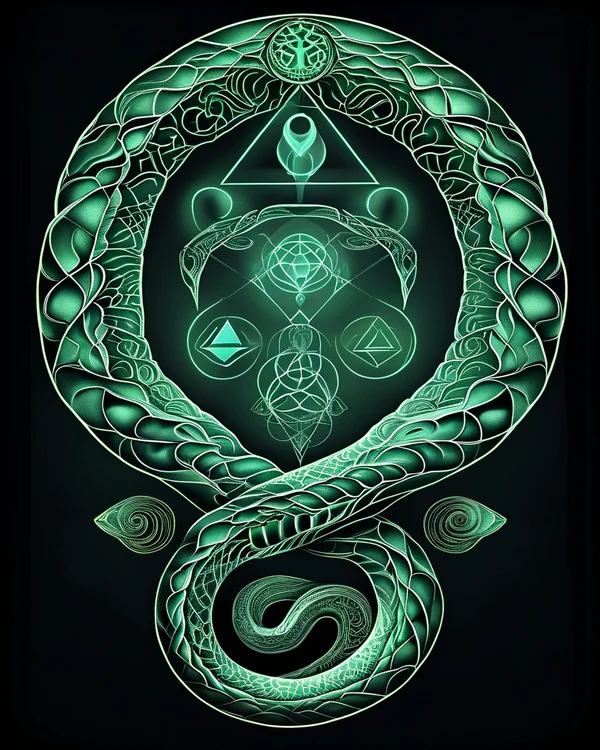
Mathematical patterns from nature and spiritual tradition — Flower of Life, Metatron's Cube, Sri Yantra and Golden Ratio on skin. Browse 24 reference designs below, then preview any of them on your own body with the free tattoo simulator.
sacred geometry tattoo ideas
24 reference designs. Click any design to preview it on your own photo — the simulator keeps the design on your skin while you adjust size and placement.
Preview any of these on your body in 3 steps
Upload a photo
A clear, well-lit photo of the area you are considering. Phone camera is fine.
Describe or pick the design
Choose a style from the gallery or describe what you want in plain words.
Compare and decide
Adjust size and placement, then share the preview with your artist as reference.
What defines a sacred geometry tattoo
Sacred geometry tattoos are built on mathematical patterns and proportional systems that appear throughout nature, architecture, and spiritual traditions across cultures. The Flower of Life, Metatron's Cube, the Sri Yantra, the Seed of Life, the Golden Ratio spiral, and Platonic solids are among the most recognised motifs. These designs are not merely decorative — they are based on precise geometric relationships where every line, circle, and angle connects to a larger proportional whole. A sacred geometry tattoo works because the human eye instinctively recognises the mathematical harmony in the composition, even if the viewer cannot name the specific pattern. The challenge for the artist is translating these precise, often symmetrical patterns onto a three-dimensional, curved, and imperfect human body.
Design notes from the chair
- Line weight: Sacred geometry designs require extremely consistent line weight. Unlike organic tattoo styles where variation in line thickness adds character, sacred geometry depends on uniformity — a single thick line in a pattern of thin ones breaks the mathematical illusion. Medium-weight lines (around 0.5 to 1 mm on skin) tend to hold best over time.
- Scale: These patterns contain multiple overlapping layers of circles, triangles, and lines. At too small a scale, the inner structure becomes illegible. A Flower of Life design needs to be at least 12 to 15 cm across for each concentric circle to be distinct. Plan the scale based on the most complex element in the design.
- Flow: Sacred geometry is inherently symmetrical, which makes placement critical. The design must be centred precisely on the body — a Flower of Life that is even slightly off-centre on the sternum or spine will look wrong. Work with your artist to map the centre point and alignment before the needle touches skin.
- Contrast: Most sacred geometry tattoos are blackwork, relying on the interplay between inked lines and bare skin. Some artists add dotwork shading to create depth and dimensionality, using denser dots in certain areas to suggest the design is emerging from or receding into the skin.
Sacred geometry symbols and their meanings
Each sacred geometry symbol carries layers of meaning drawn from mathematics, nature, and spiritual tradition. The Flower of Life is found in temples from Egypt to China and represents the interconnectedness of all life. Metatron's Cube contains all five Platonic solids — the building blocks of three-dimensional space — and is associated with balance and protection. The Sri Yantra, originating in Hindu tantra, uses nine interlocking triangles to represent the cosmos and the union of masculine and feminine energy. The Golden Ratio spiral (approximately 1:1.618) appears in nautilus shells, galaxies, and the proportions of the human face, and is associated with natural beauty and divine proportion. Understanding the meaning behind your chosen symbol helps you and your artist create a design that resonates on a deeper level than pure aesthetics.
Choosing a placement for a sacred geometry piece
Symmetry is the defining visual characteristic of sacred geometry, which means the best placements are those that mirror the body's own symmetry. The sternum and centre chest are prime real estate for symmetrical designs like the Flower of Life or Sri Yantra — the design sits perfectly between the collarbones and can extend outward along the chest. The spine is ideal for vertical, stacked sacred geometry compositions. The outer forearm and upper arm work well for individual symbols or mandala-style pieces. The back offers the largest canvas for elaborate, multi-element compositions combining several sacred geometry motifs. Avoid placements where the design will be distorted by muscle movement or joint bending — the inner elbow and knee crease are particularly poor choices for precise geometric work.
Size, sessions and cost
A single sacred geometry symbol — a small Seed of Life or Metatron's Cube on the forearm — is typically one to two sessions of two to three hours each. A medium piece with multiple interlocking elements and dotwork shading (covering the full shoulder blade or sternum) can take three to five sessions. A large-scale sacred geometry back piece or sleeve with extensive detail and shading is a commitment of five to ten sessions spread over several months. The precision required means the artist works slowly; sacred geometry is not a style that can be rushed. Ask about the total number of sessions expected, the hourly or session rate, and the touch-up policy.
Pain and aftercare, realistically
Sacred geometry tattoo pain depends entirely on placement. The sternum and centre chest — one of the most popular placements — is among the more painful areas because the skin is thin and close to the bone. The spine is similarly intense. The outer forearm and upper arm are moderate and manageable for most people. Aftercare is standard: gentle washing twice daily, thin moisturiser, no picking at flaking skin, no direct sun for a month, and no submersion in water for two weeks. Because sacred geometry depends on precise, consistent lines, any scabbing that pulls ink from a line segment will be visible and may require a touch-up. Sunscreen is essential long-term — UV exposure softens fine lines over years, and sacred geometry designs rely on those lines being crisp.
Common mistakes with sacred geometry designs
- Not verifying the mathematical accuracy of the design — some tattoo flash sheets contain "sacred geometry" patterns with incorrect proportions or missing elements. Check the pattern against a verified reference before committing.
- Placing a symmetrical design off-centre — even 5 mm of misalignment is immediately noticeable on a symmetrical piece. Insist on stencil verification time before the session begins.
- Scaling the pattern too small for the complexity — a Flower of Life with 20 overlapping circles cannot be rendered at 5 cm without the circles merging into a blob.
- Choosing an artist who does not specialise in geometric work — the precision required for sacred geometry is a specific skill set that not all tattoo artists possess.
- Skipping the touch-up session once the piece has healed and settled.
Frequently asked about sacred geometry tattoo ideas
Use the gallery above as starting reference, then use the simulator to check the design against your own body. If you are also considering geometric or dotwork styles, browse geometric tattoo ideas and dotwork tattoo ideas for related inspiration. For cover-up work, the cover-up designer can help you see how sacred geometry might conceal an existing tattoo.
FAQ — Sacred Geometry tattoos
How much does a sacred geometry tattoo cost?
Most artists charge by the hour or by session rather than by design. A small sacred geometry piece is usually one sitting; larger pieces covering a forearm or back typically run two to four sessions. Ask for the hourly rate, the expected number of sessions, and whether touch-ups are included.
How do I know if a sacred geometry design will suit my body?
Upload a photo to the simulator and place the design at the size you are considering, then look at it from a distance. If it stays readable at arm's length, it will hold up on skin.
Do sacred geometry tattoos age well?
Bold line work, solid contrast and clear negative space age the best. Very fine detail and tiny lettering soften first as ink settles and skin changes.
Is it safe to bring a sacred geometry reference to my artist?
Yes. Bring three to five references and explain what you like about each one. A good artist will redraw the idea for your body instead of copying it exactly.
Which placement works best for sacred geometry designs?
Outer forearm and upper arm are the most forgiving for detail and visibility. Ribs and spine suit long flowing compositions but are more painful; wrists and hands fade faster.
Still deciding? Put it on your skin first.
Upload a photo and see any of these 24 designs on your own body in about ten seconds. No sign-up for your first preview.
Open the simulator