Flame Tattoo Ideas
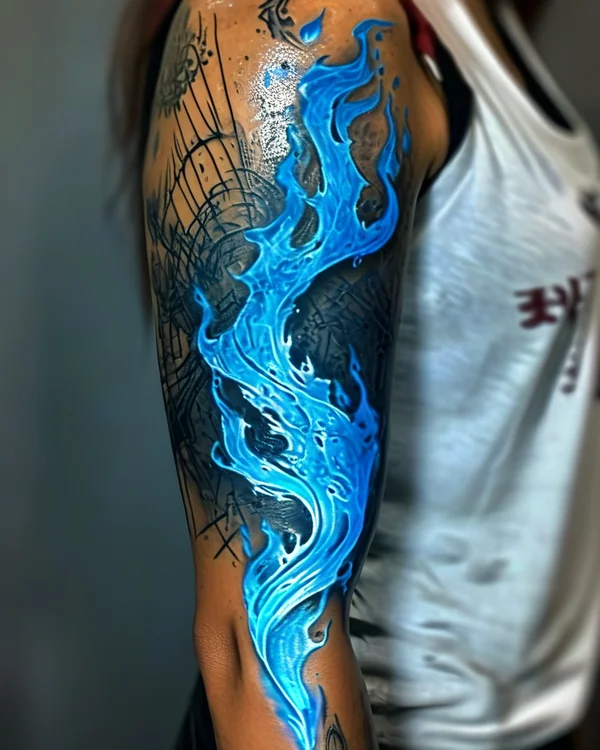
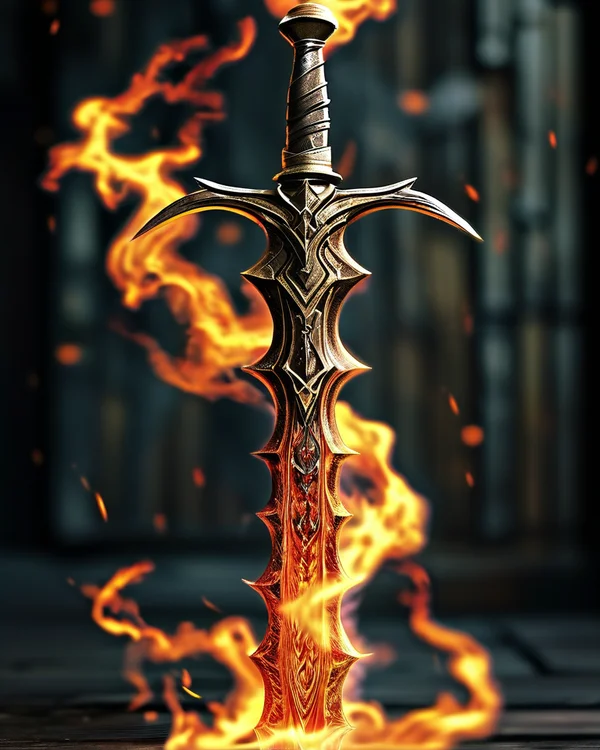
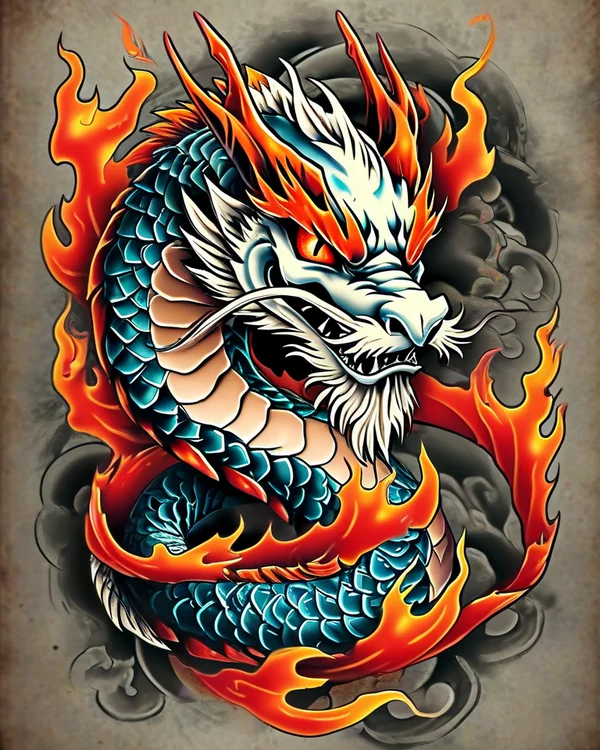
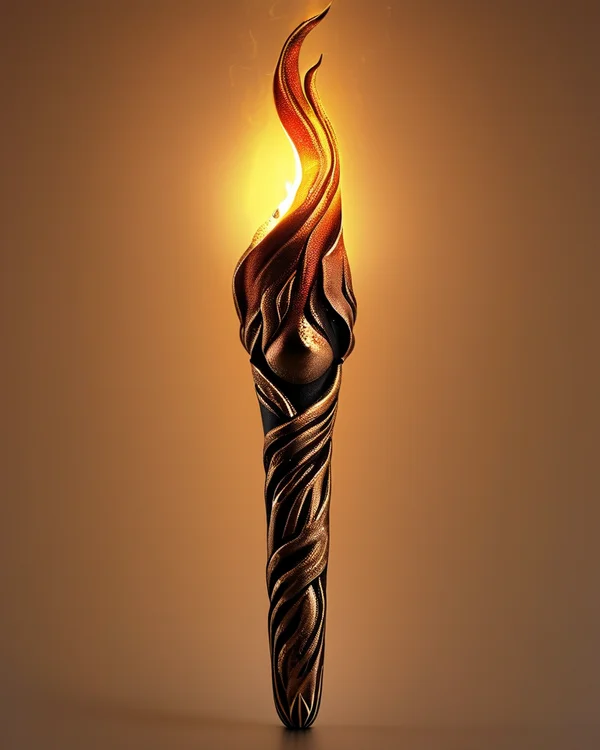
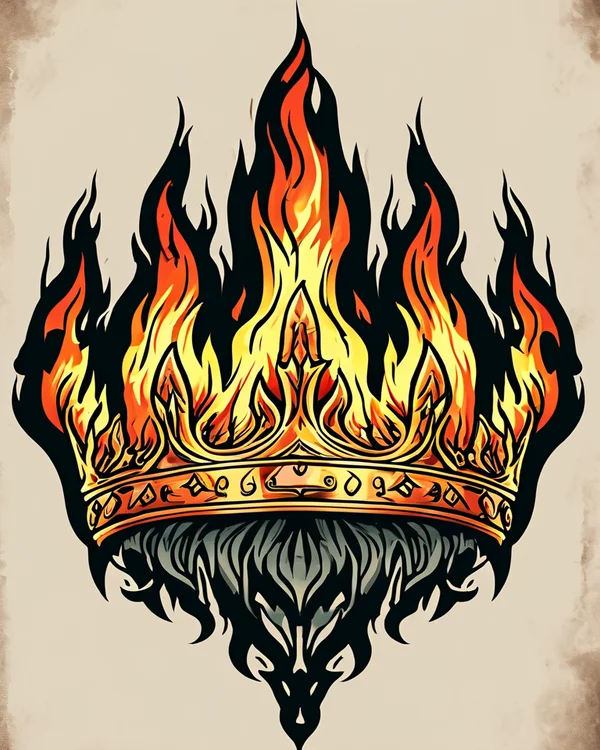
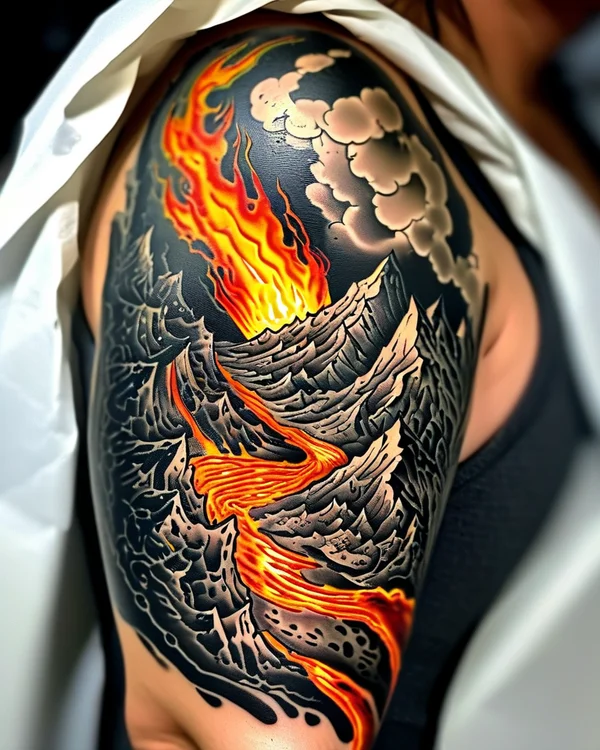
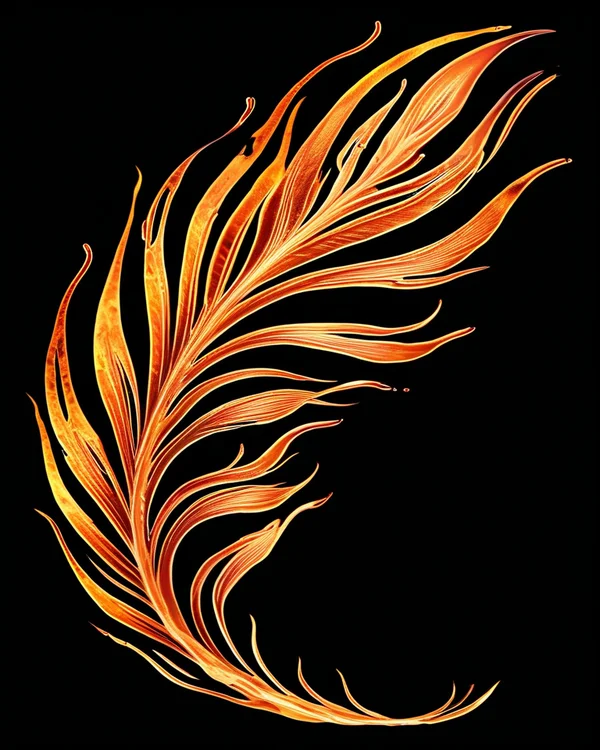
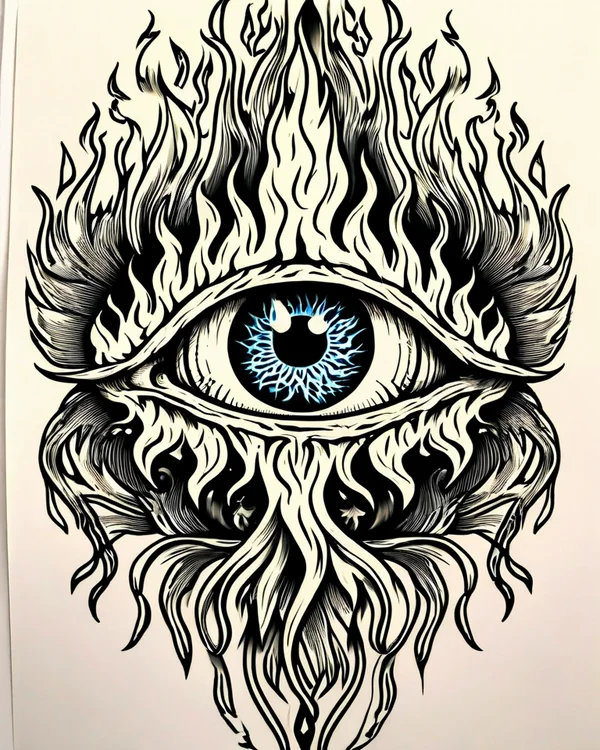
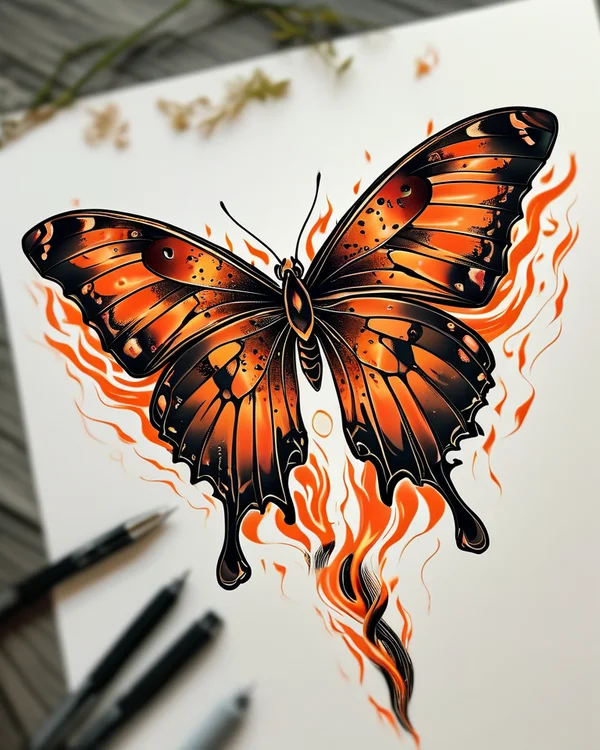
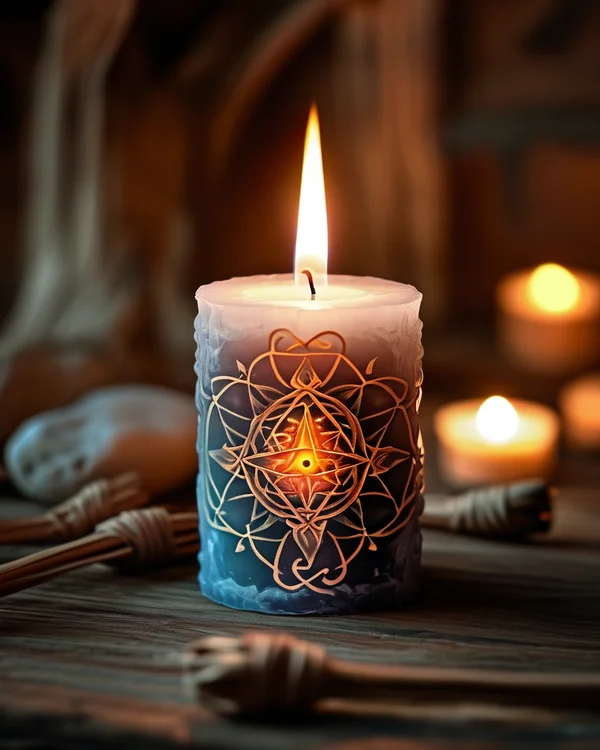
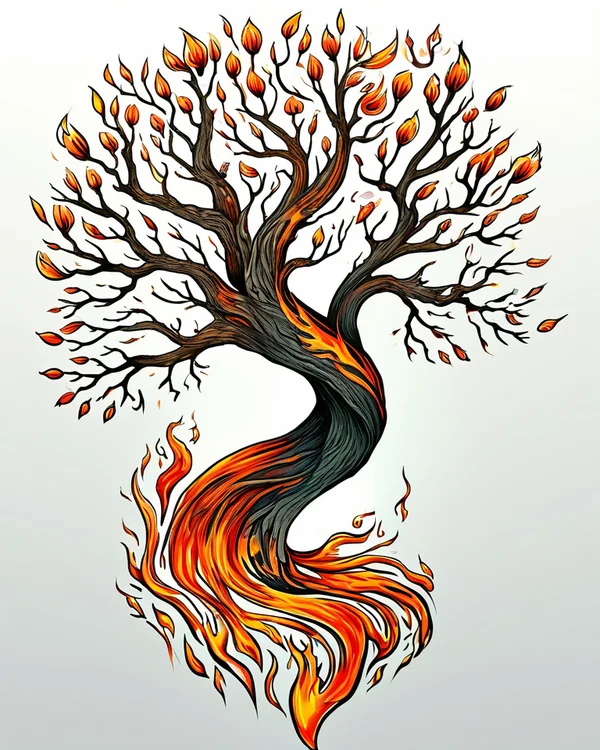
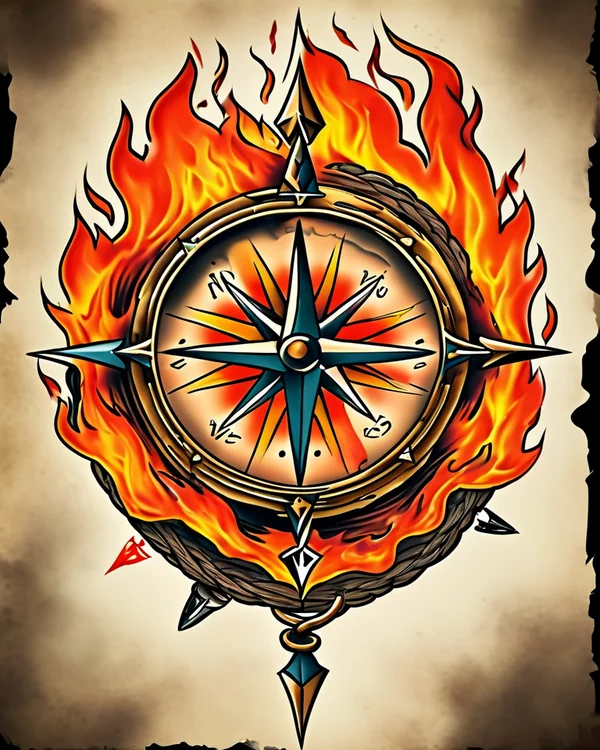
Classic fire motifs from traditional American flash to Japanese kaen and neo-traditional colour work. Browse 24 reference designs below, then preview any of them on your own body with the free tattoo simulator.
flame tattoo ideas
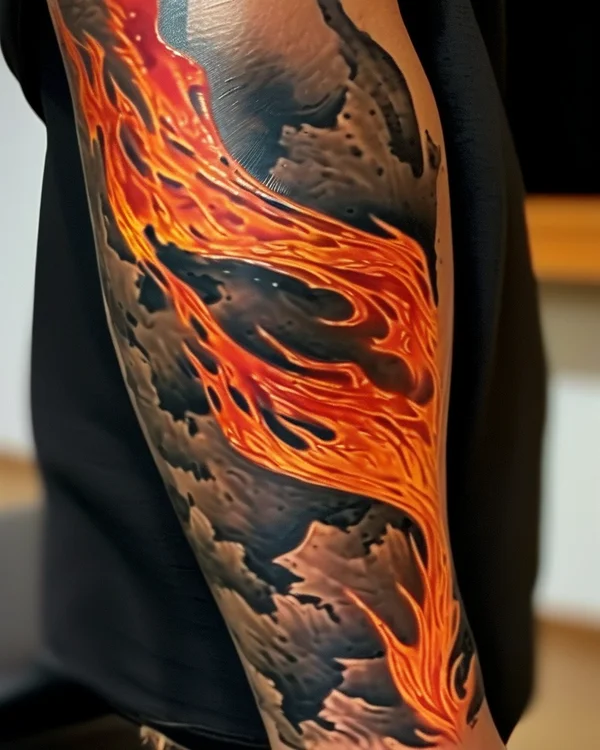
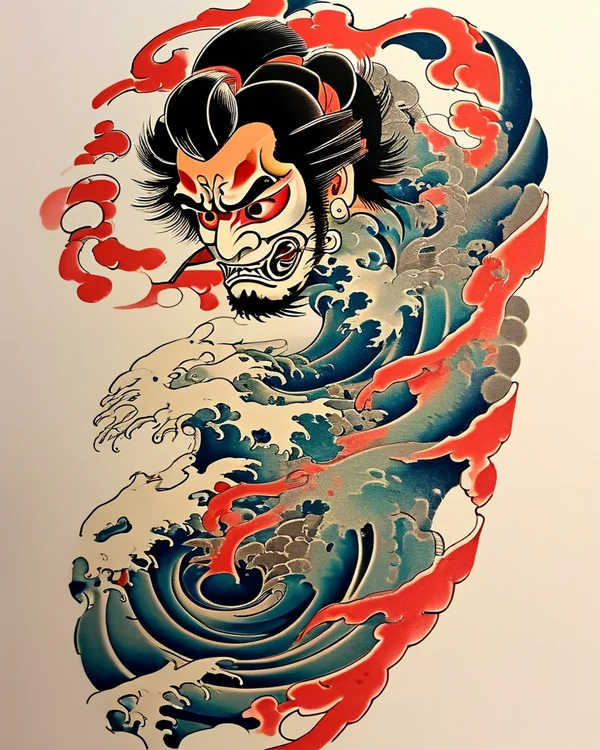
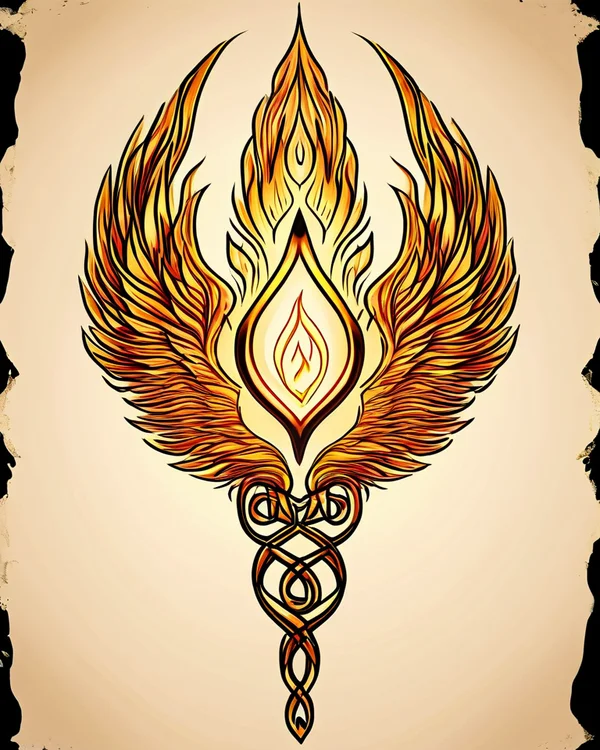
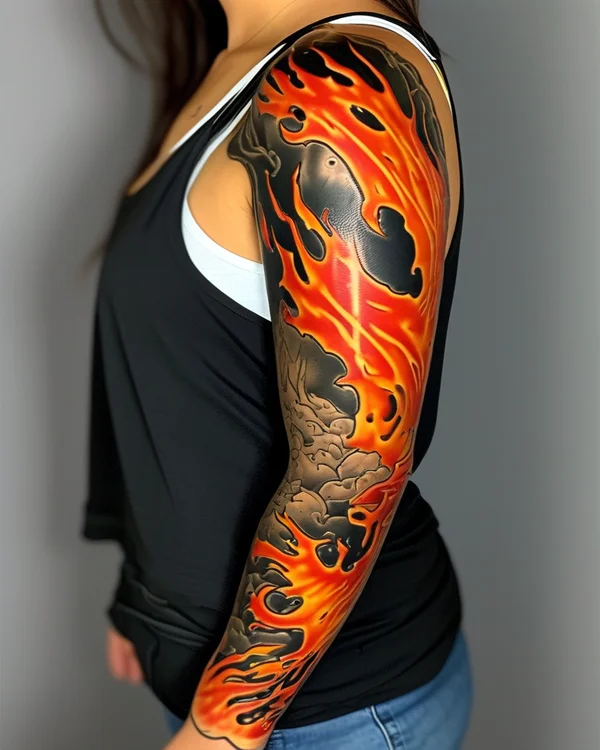
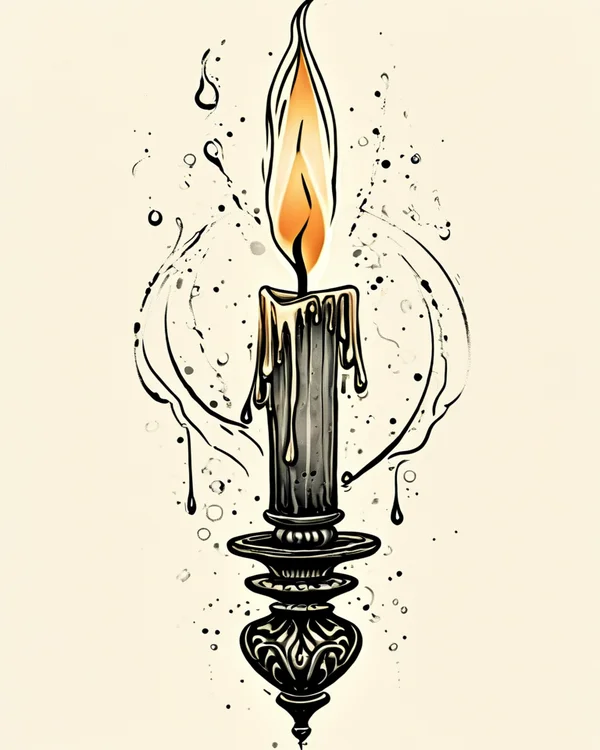
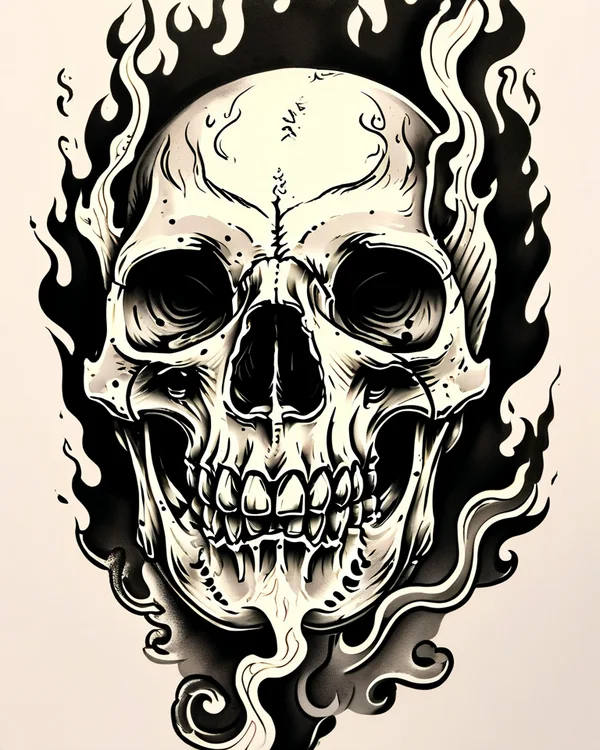
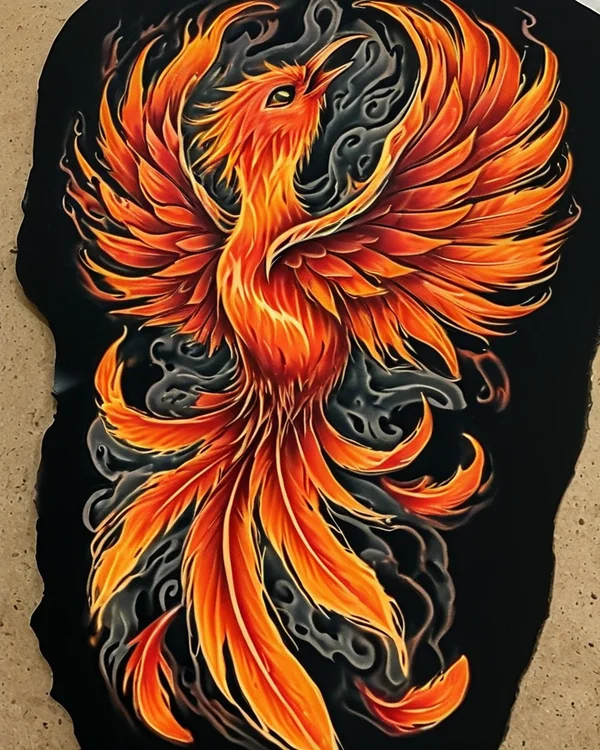
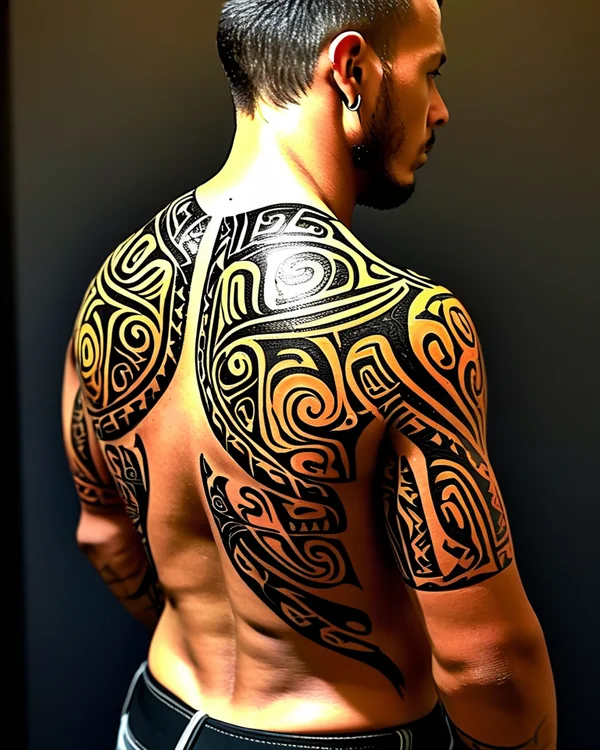
24 reference designs. Click any design to preview it on your own photo — the simulator keeps the design on your skin while you adjust size and placement.
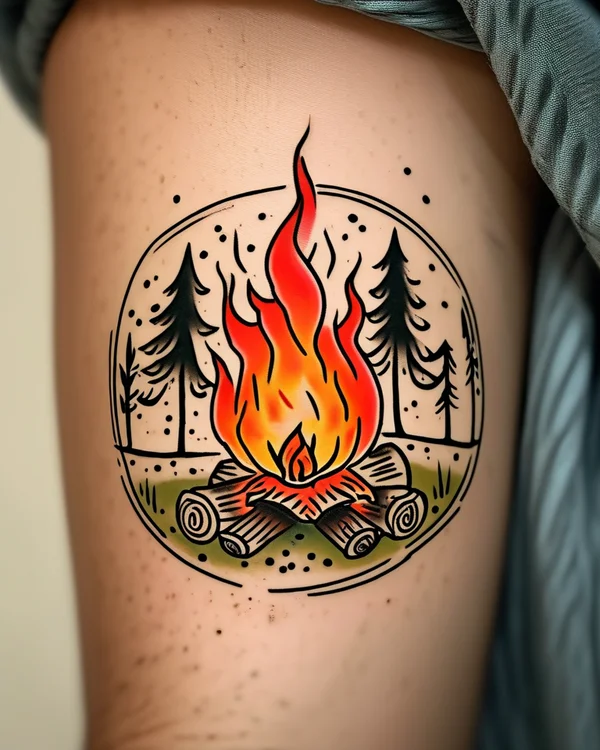
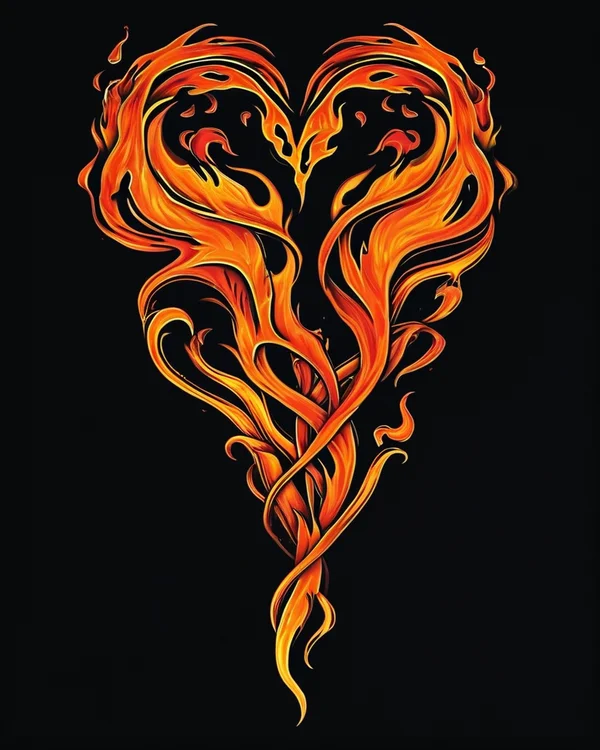
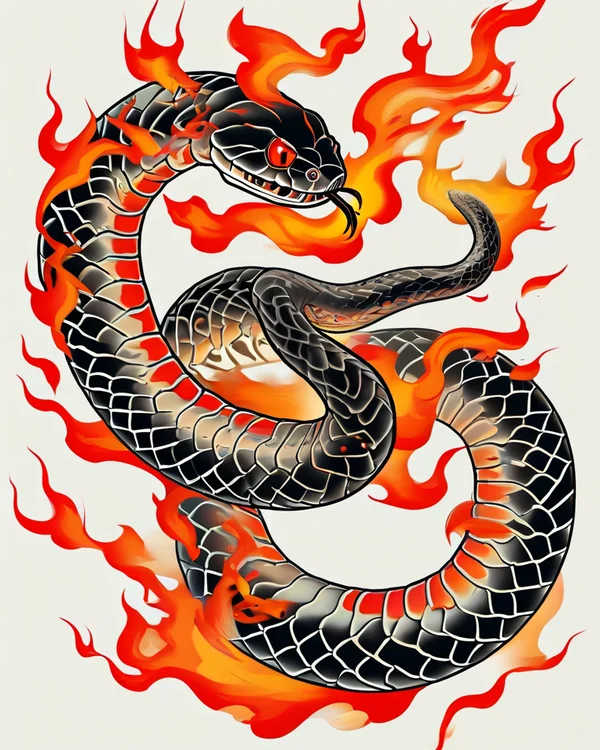
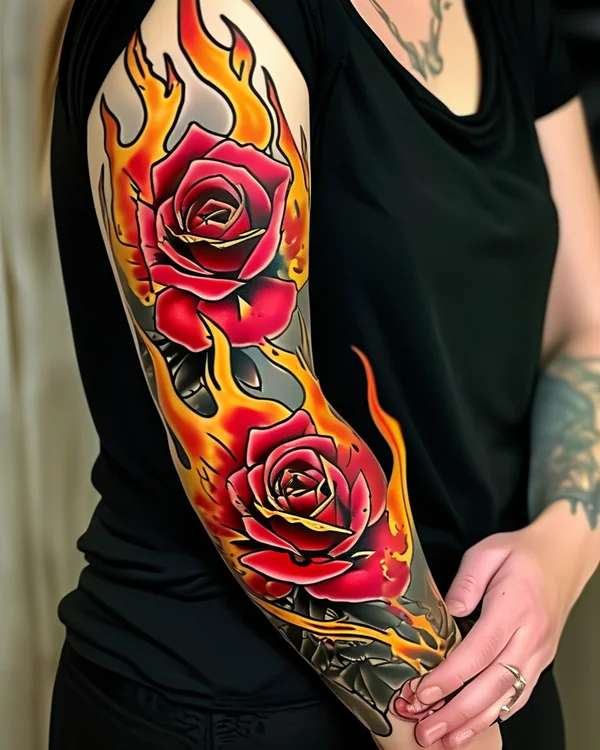
Preview any of these on your body in 3 steps
Upload a photo
A clear, well-lit photo of the area you are considering. Phone camera is fine.
Describe or pick the design
Choose a style from the gallery or describe what you want in plain words.
Compare and decide
Adjust size and placement, then share the preview with your artist as reference.
What defines a flame tattoo
Flame tattoos are among the oldest motifs in tattoo culture, spanning from traditional American flash sheets to Japanese fire motifs and contemporary neo-traditional interpretations. At their core, flame designs capture movement and energy in a static medium — the challenge for any artist is making fire look alive on skin. The best flame tattoos balance organic, flowing shapes with deliberate composition, using negative space and colour gradients to create the illusion of heat, light, and motion. Whether you want a small flicker on the wrist or a full sleeve of roaring fire, the principles of flame tattoo design remain consistent.
Design notes from the chair
- Line weight: Flame tattoos typically use bold outlines to define the outer edges of the fire shape, with thinner internal lines suggesting the tongues and curls of individual flames. This contrast keeps the design readable at a distance while preserving detail up close.
- Scale: Small flame designs (under 5 cm) work as accent pieces — a flicker behind the ear, a small torch on the finger. Larger flame compositions need room to breathe; a sleeve or chest piece allows for layered flames with depth and shadow.
- Flow: Fire rises, and flame tattoos should respect that directionality. Vertical placements (forearm, calf, spine) naturally suit upward-reaching flames. Horizontal placements (chest, thigh) need the composition designed so the fire still feels like it is moving rather than lying flat.
- Contrast: In blackwork flames, the artist relies on solid black, grey wash, and negative space to create depth. In colour flames, the classic approach is a yellow-to-orange-to-red gradient with dark edges — but neo-traditional artists often use unexpected palettes like blue, purple, or green fire for visual impact.
Flame styles and their cultural roots
Traditional American flame tattoos are bold, simple, and iconic — think of the classic hot-rod flames on a car hood translated to skin. Japanese flame motifs (called "kaen" or "honoo") are more stylised and often accompany deities, demons, or mythical creatures as a symbol of purification and spiritual power. Chicano-style flame work tends to be more intricate, with fine black-and-grey shading creating realistic fire that seems to glow from within. Contemporary flame designs often blend these influences, mixing traditional boldness with modern colour theory or adding elements like skulls, roses, or geometric frames around the fire.
Choosing a placement for a flame piece
Flames are one of the most versatile designs for placement because they can be shaped to fit almost any body part. The inner forearm is a classic spot for a single flame or a torch. The outer forearm and upper arm accommodate larger, more detailed fire compositions. The chest allows for dramatic, wide flame spreads — particularly effective when the fire appears to emanate from a central object like a skull or heart. The calf and shin work well for vertical flame designs. Hands, fingers, and neck are high-visibility placements that make a bold statement but fade faster due to frequent sun exposure and skin turnover. Use the simulator to test how a flame design wraps around your chosen area before committing.
Size, sessions and cost
A small, simple flame outline — say, 5 to 8 cm on the forearm — can be completed in a single session of one to two hours. A medium flame piece with shading and detail (15 to 20 cm) typically takes two to three hours. A full flame sleeve or large chest piece with multiple layered flames, colour gradients, and accompanying elements will take four to six sessions over several months. Colour flame tattoos often require more sessions than blackwork because each colour layer needs to heal before the next is applied. Ask your artist about the total number of sessions expected, the hourly rate, and whether touch-ups are included in the initial quote.
Pain and aftercare, realistically
Flame tattoo pain follows the same rules as any other tattoo — proximity to bone and nerve density determines intensity. The outer forearm and upper arm are moderate; the ribs and sternum are high; the hands and feet are among the most painful. Aftercare is critical for flame tattoos in colour because the gradient relies on smooth transitions between ink tones — any scabbing that pulls ink unevenly can create visible patches. Keep the tattoo clean, moisturised thinly, and out of the sun for at least four weeks. Avoid swimming pools and hot tubs for two weeks. Long-term, apply sunscreen to the tattoo whenever it is exposed to prevent colour fading.
Common mistakes with flame designs
- Choosing flames that are too symmetrical — real fire is chaotic, and overly geometric flames look artificial on skin.
- Underestimating the space needed — flame designs with detail and depth require more room than most people initially plan for.
- Neglecting the background — a flame floating on bare skin can look incomplete; smoke, embers, or a dark gradient behind the fire add depth.
- Picking a colour palette without considering skin tone — warm-toned flames (yellow, orange, red) show differently on lighter and darker skin, and your artist should advise on what will read best on you.
- Skipping the touch-up session once the piece has healed and settled.
Frequently asked about flame tattoo ideas
Use the gallery above as starting reference, then use the simulator to check the design against your own body. If you are also considering Japanese or neo-traditional styles, browse Japanese tattoo ideas and neo-traditional tattoo ideas for related fire motifs. For cover-up work, the cover-up designer can help you see how flames might conceal an existing tattoo.
FAQ — Flame tattoos
How much does a flame tattoo cost?
Most artists charge by the hour or by session rather than by design. A small flame piece is usually one sitting; larger pieces covering a forearm or back typically run two to four sessions. Ask for the hourly rate, the expected number of sessions, and whether touch-ups are included.
How do I know if a flame design will suit my body?
Upload a photo to the simulator and place the design at the size you are considering, then look at it from a distance. If it stays readable at arm's length, it will hold up on skin.
Do flame tattoos age well?
Bold line work, solid contrast and clear negative space age the best. Very fine detail and tiny lettering soften first as ink settles and skin changes.
Is it safe to bring a flame reference to my artist?
Yes. Bring three to five references and explain what you like about each one. A good artist will redraw the idea for your body instead of copying it exactly.
Which placement works best for flame designs?
Outer forearm and upper arm are the most forgiving for detail and visibility. Ribs and spine suit long flowing compositions but are more painful; wrists and hands fade faster.
Still deciding? Put it on your skin first.
Upload a photo and see any of these 24 designs on your own body in about ten seconds. No sign-up for your first preview.
Open the simulator