Forearm Tattoo Ideas
How designs flow on the forearm, what size actually works there, and how to preview one on your own photo before you book.
Pain Level: What to Expect With Forearm Tattoos
The forearm is widely considered one of the least painful places to get a tattoo. The outer forearm, in particular, has thick skin, ample muscle, and relatively few nerve endings close to the surface. Most people rate forearm tattoo pain between 2 and 4 out of 10. The inner forearm is slightly more sensitive than the outer forearm due to thinner skin and more nerve endings, but it still remains a relatively comfortable placement, typically rated 3 to 5 out of 10. The area near the elbow crease can be more tender, as the skin is thinner and there are more nerve endings. Similarly, the area near the wrist becomes more sensitive as the skin thins and bones become more prominent. The forearm is a popular choice for first-time tattoo clients precisely because of its manageable pain level. Sessions on the forearm can last several hours without significant discomfort. The forearm also has fewer fat deposits, which means the skin stays relatively flat and consistent, allowing the needle to work evenly. If pain is a major concern, the outer forearm is the safest bet for a comfortable tattoo experience.
Healing Time for Forearm Tattoos
Forearm tattoos heal relatively quickly, typically 2 weeks for the surface and 4 to 6 weeks for full recovery. The forearm benefits from good blood circulation, which promotes faster healing. During the first few days, expect mild redness and slight swelling. The tattoo will begin to peel around days 4 to 7, revealing fresh skin underneath. Avoid scratching or picking at the peeling skin. The forearm is easy to wash and moisturize because it is easily accessible, which simplifies aftercare. However, the forearm is frequently exposed to sunlight and environmental elements, so sun protection is particularly important during and after healing. Wear long sleeves or apply sunscreen once the tattoo has fully healed to prevent UV damage and fading. Avoid submerging the tattoo in water for the first 2 weeks. Keep the area clean and moisturized. The forearm does not experience as much friction as areas like the ankles or hands, which reduces the risk of irritation during healing. Most people can return to normal daily activities immediately after getting a forearm tattoo, though you should avoid heavy lifting or gripping exercises for a few days if the tattoo is near the wrist or elbow.
Best Tattoo Designs for the Forearm
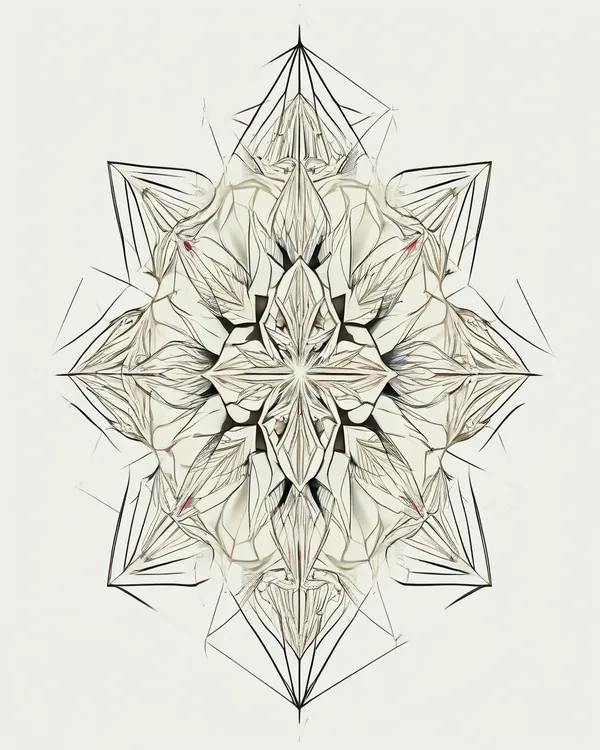
The forearm is one of the most versatile placements for tattoo designs. Its elongated shape lends itself to vertical compositions such as daggers, arrows, roses, snakes, and floral arrangements. Half-sleeve designs that wrap partially or fully around the forearm create a cohesive, impressive look. Script and quote tattoos placed along the inner forearm remain one of the most popular choices, as the flat surface allows for clean, readable lettering. Nature scenes including forests, mountains, waves, and sunsets work beautifully along the forearm length. Animal portraits and realistic depictions of wildlife take advantage of the forearm generous canvas. Geometric patterns and mandalas can be centered on the outer forearm for a symmetrical, striking effect. Religious and spiritual symbols such as crosses, praying hands, and rosaries are classic forearm subjects. Memorial tattoos with dates, names, and portraits are frequently placed on the inner forearm where they are personally visible. Pop culture references, symbols, and character designs find a natural home on the forearm. The forearm also works well for both standalone pieces and designs that extend into a larger sleeve.
Sizing Guide: How Big Should a Forearm Tattoo Be?
Forearm tattoos can range from small 2-inch designs to full forearm sleeves that cover the entire surface from wrist to elbow. A small forearm tattoo typically measures 2 to 4 inches and works well for symbols, words, or simple designs. A medium forearm piece occupies 4 to 8 inches and allows for more detail and complexity. A half-sleeve covers roughly half the forearm, usually 6 to 10 inches. A full sleeve extends from the wrist to the elbow crease, covering approximately 12 to 15 inches of skin. When planning forearm tattoo size, consider how the design interacts with the forearm natural taper from elbow to wrist. Designs that account for this narrowing look more natural than those applied to a flat template. The inner forearm is slightly wider than the outer forearm, so symmetrical designs may need slight adjustments. For sleeve work, plan the overall composition before starting individual elements. A cohesive sleeve looks better than a collection of unrelated pieces. Discuss the complete vision with your artist, even if you plan to add elements over time.
Popular Styles for Forearm Tattoos
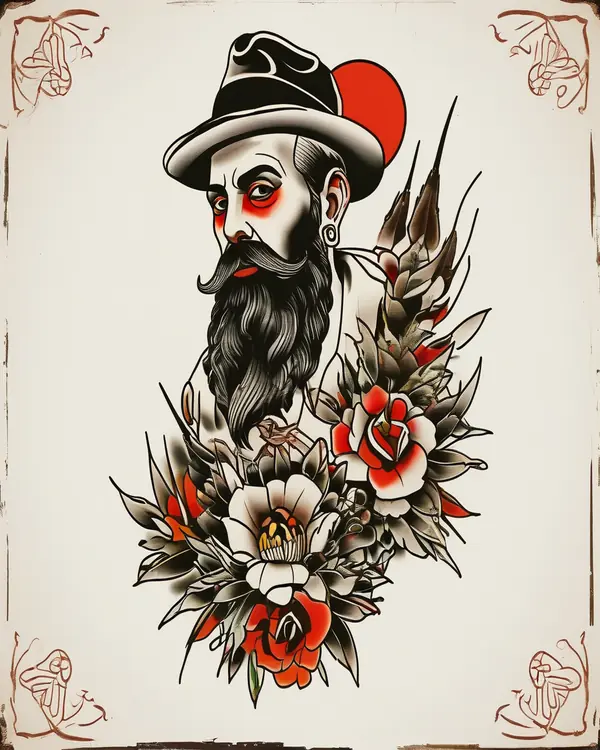
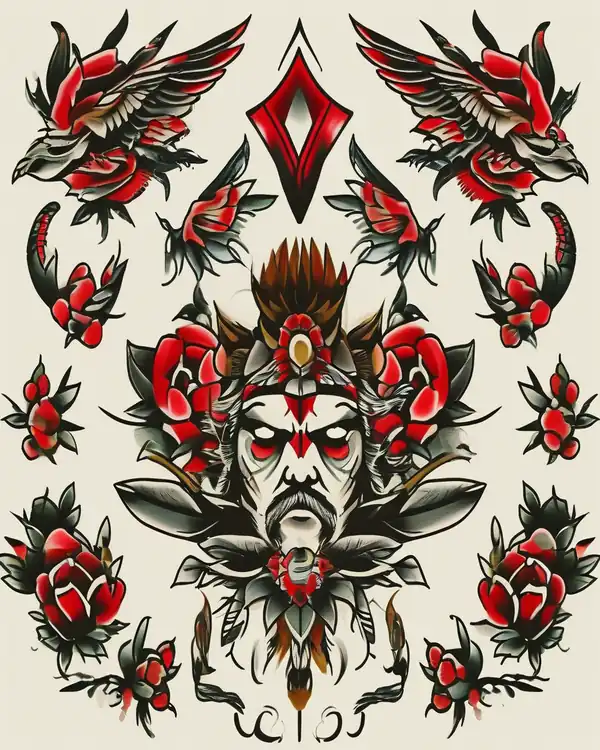
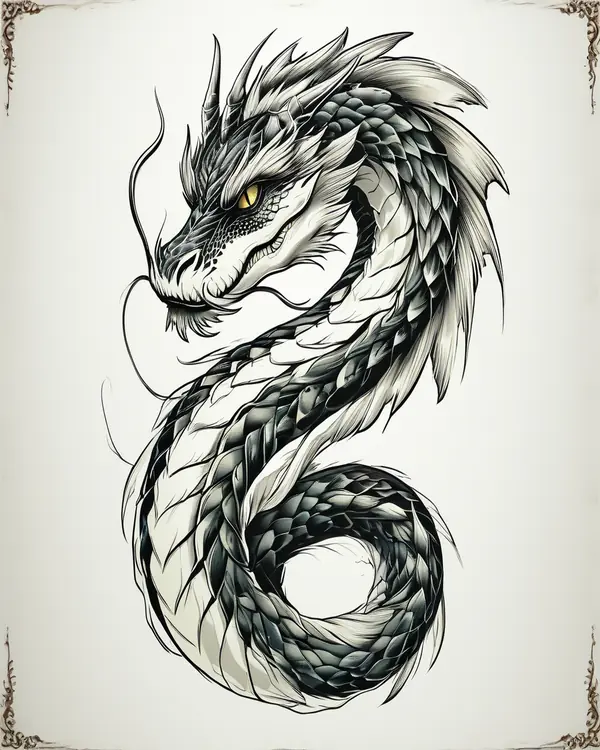
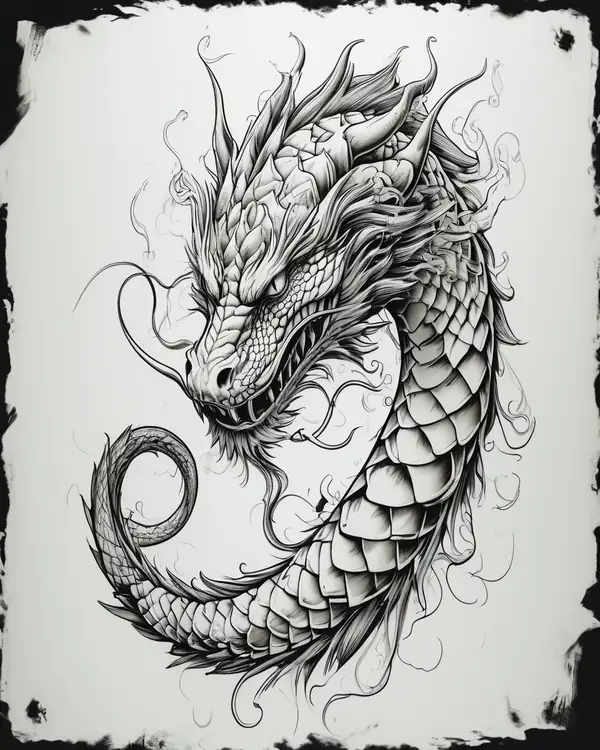
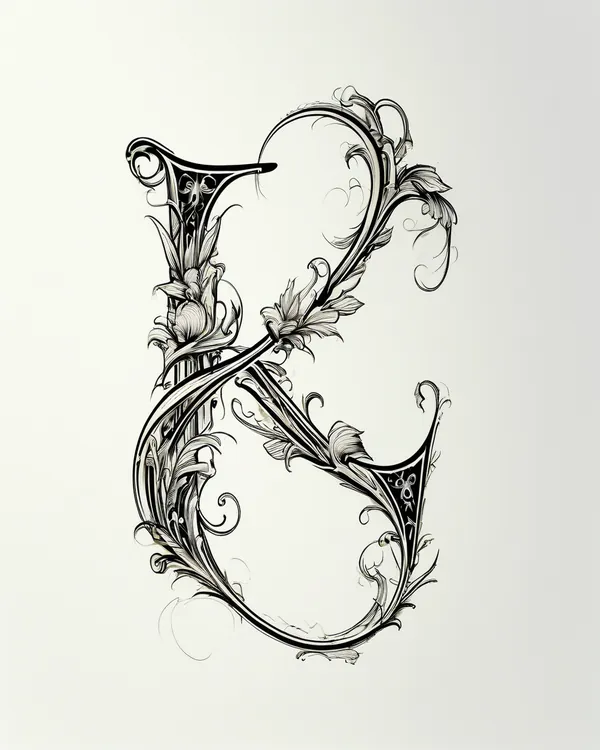
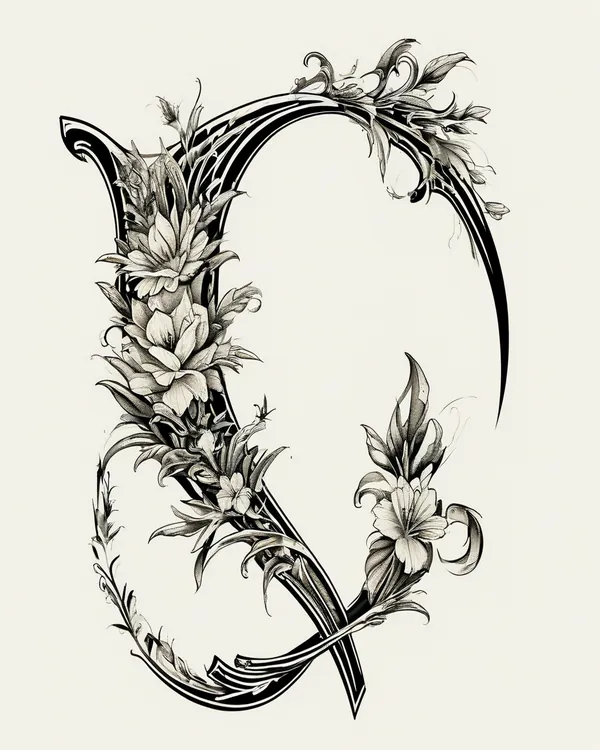
The forearm is a favorite canvas for nearly every tattoo style. Traditional and neo-traditional designs with bold outlines and vibrant colors look timeless on the forearm. Realism and photorealistic portraits take advantage of the forearm flat, consistent surface. Blackwork and tribal designs create bold, striking forearm pieces. Fine-line and minimalist tattoos are extremely popular on the inner forearm for their subtle elegance. Japanese-style designs including koi fish, dragons, and cherry blossoms adapt well to the forearm shape. Geometric and dotwork designs create mesmerizing patterns. Watercolor tattoos with flowing colors look artistic on the forearm. Illustrative styles with storybook elements work well for narrative designs. Chicano-style black and grey designs are classic forearm choices. Ornamental and mandala designs create intricate, decorative forearm pieces. Script and calligraphy remain perennial favorites for the inner forearm. The forearm versatility means you can choose virtually any style and achieve great results.
Celebrities With Forearm Tattoos
Forearm tattoos are extremely popular among celebrities. David Beckham has multiple forearm tattoos including roman numerals, religious imagery, and portraits of his family members. Rihanna has several forearm tattoos including a henna-style design and a gun. Cara Delevingne has a lion face tattoo on her right forearm. Miley Cyrus has multiple small forearm tattoos including a dreamcatcher and abstract designs. Harry Styles has numerous forearm tattoos including a ship, an anchor, and a butterfly. Demi Lovato has several forearm tattoos including a lion and words of affirmation. Adam Levine of Maroon 5 has extensive forearm work. LeBron James has multiple forearm tattoos honoring his family. These celebrities showcase the forearm as a placement that works for both subtle and bold designs, making it one of the most popular tattoo locations worldwide.
Aftercare Tips Specific to Forearm Tattoos
Forearm aftercare is simple because the area is easy to access and monitor. Wash the tattoo gently twice daily with lukewarm water and fragrance-free soap. Apply a thin layer of tattoo-specific aftercare ointment or unscented moisturizer after washing. Avoid submerging the forearm in water for the first 2 to 3 weeks. Showers are fine, but keep the tattoo out of direct water streams when possible. Wear loose sleeves to protect the tattoo from sun and environmental exposure during healing. Avoid tight wristwatches, bracelets, or cuffs that may rub against the tattooed area, especially for inner forearm designs. Sun protection is crucial for forearm tattoos because the area is frequently exposed. Once healed, apply SPF 30 or higher sunscreen to prevent fading. Avoid heavy gym exercises that involve gripping or forearm strain for at least a week. Keep the tattoo moisturized throughout healing to prevent cracking and peeling. If you work in an environment where your forearm is exposed to dirt or chemicals, cover the tattoo loosely with a breathable bandage during work hours for the first week.
Frequently Asked Questions About Forearm Tattoos
How painful is a forearm tattoo?
The forearm is one of the least painful spots for a tattoo, typically rated 2 to 4 out of 10 on the outer forearm and 3 to 5 on the inner forearm. The thick skin and muscle provide a comfortable canvas. The area near the wrist and elbow crease can be slightly more sensitive.
Can I cover a forearm tattoo for work?
Forearm tattoos are easy to conceal with long sleeves, making them a practical choice for people in conservative workplaces. Once healed, the tattoo is also easy to show off by rolling up sleeves or wearing short sleeves.
How much does a forearm tattoo cost?
A small forearm tattoo typically costs $150 to $400. A medium piece ranges from $400 to $1,000. A full forearm sleeve can cost $1,500 to $5,000 or more depending on the detail and artist experience.
Do forearm tattoos age well?
Forearm tattoos generally age well because the skin on the forearm is relatively thick and does not stretch or shrink dramatically with weight changes. Sun protection is the most important factor in preserving forearm tattoo quality over time.
Should I get an inner or outer forearm tattoo?
The inner forearm is more personal and visible to you, making it ideal for meaningful quotes or symbols. The outer forearm is more visible to others and slightly less painful. Both are excellent choices that work with most design styles.
Styles that work well on the forearm

Check it on your own body first
Upload a photo of your forearm and place any design from the galleries above.
Open the simulatorCompare body placements side by side — pain, visibility and canvas size for all eight areas, free.
Other placements
More Tools
Try these free tools to plan your tattoo:
- Tattoo Simulator — preview designs on your body
- Tattoo Stencil Generator — convert designs to transfer-ready stencils
- Tattoo Cover-up Designer — redesign old tattoos
- Tattoo Placement Simulator — compare spots on one chart