Chicano Tattoo Ideas
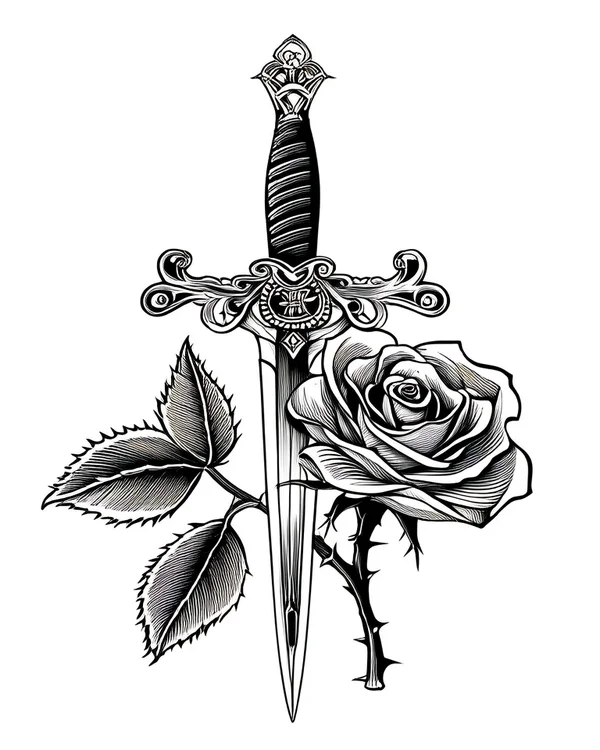
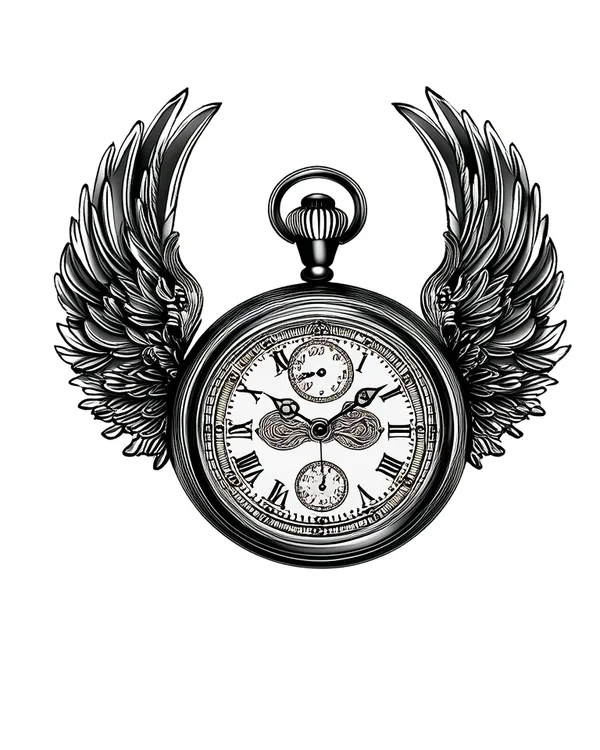
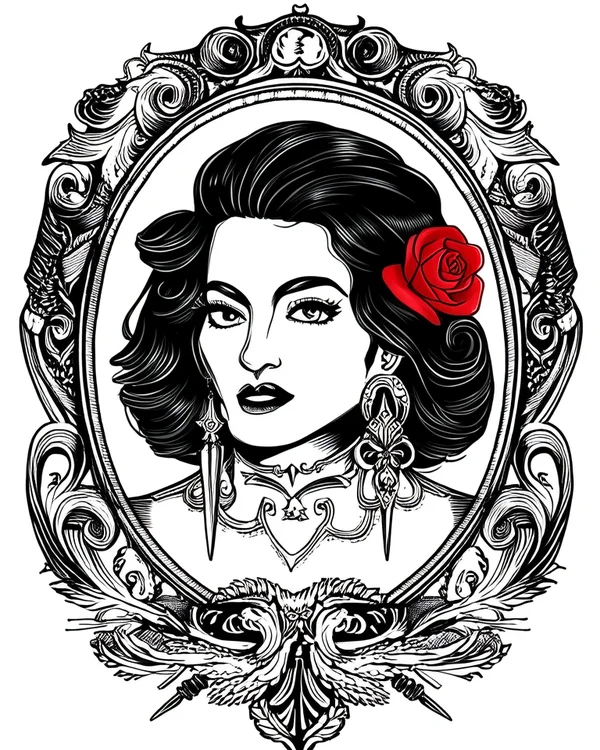
Black-and-grey fine line, religious imagery, script lettering, lowriders and cultural pride — a style born in Mexican-American communities that has become one of the most respected traditions in tattooing worldwide. Browse 24 reference designs below, then preview any of them on your own body with the free tattoo simulator.
What Is Chicano Tattooing?
Chicano tattooing is a style that emerged from Mexican-American communities in the American Southwest — particularly Southern California — during the mid-20th century. It is characterized by black-and-grey shading, fine-line work, and a vocabulary of images drawn from Catholic iconography, barrio life, lowrider culture and the broader Chicano civil-rights movement. The style has deep roots in identity, resilience and cultural pride, and it has grown from a regional tradition into one of the most recognized and respected tattoo genres in the world. Pinterest searches for Chicano tattoos continue to grow, up 63 percent as new generations discover the style's depth and artistry.
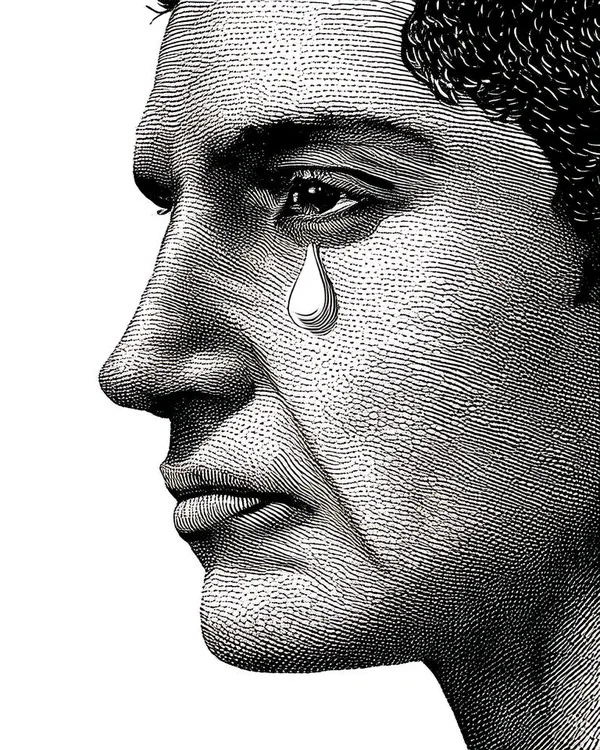
What distinguishes Chicano tattooing from other black-and-grey styles is the intentionality behind the imagery. Every element — the praying hands, the crying eye, the crucifix, the portrait of a loved one, the script lettering — carries specific meaning tied to faith, family, loss, loyalty or aspiration. A Chicano tattoo is not just decoration; it is a visual autobiography.
Historical Roots
The origins of Chicano tattooing trace back to the pachuco culture of the 1940s and 1950s, when young Mexican-American men in Los Angeles and other Southwest cities developed a distinctive style of dress, language and body art. Early tattoos were simple — single-needle work done in homes and garages with improvised machines — but they established the black-and-grey palette and the use of personal symbolism that define the style today.
Through the 1960s and 1970s, the style matured alongside the Chicano civil-rights movement. Artists like Jack Rudy, Freddy Negrete and the artists at Goodtime Tattoo in East Los Angeles refined the single-needle technique and developed the fine-line black-and-grey realism that became the hallmark of the tradition. By the 1980s and 1990s, Chicano tattooing had moved from the margins to the mainstream, influencing artists worldwide and establishing itself as one of the most technically demanding styles in the craft.
Today, Chicano-style tattooing is practiced by artists of every background on every continent. While the cultural roots remain firmly in the Mexican-American experience, the aesthetic — the masterful grey washes, the flowing script, the emotional portraiture — transcends any single community. It is a style that rewards patience, technical skill and a deep understanding of the symbolism behind each image.
Key Visual Elements
- Black-and-grey palette: The foundation of the style. Artists use diluted black ink (grey wash) to create smooth tonal gradients from deep black to whisper-light grey. The absence of color forces the viewer to engage with form, contrast and emotion rather than surface decoration.
- Fine-line single-needle work: Chicano tattooing is built on the single-needle technique — using a single needle (or very tight grouping) to produce hair-thin lines and extremely detailed shading. This allows for photorealistic portraits, intricate filigree and lettering that reads like calligraphy.
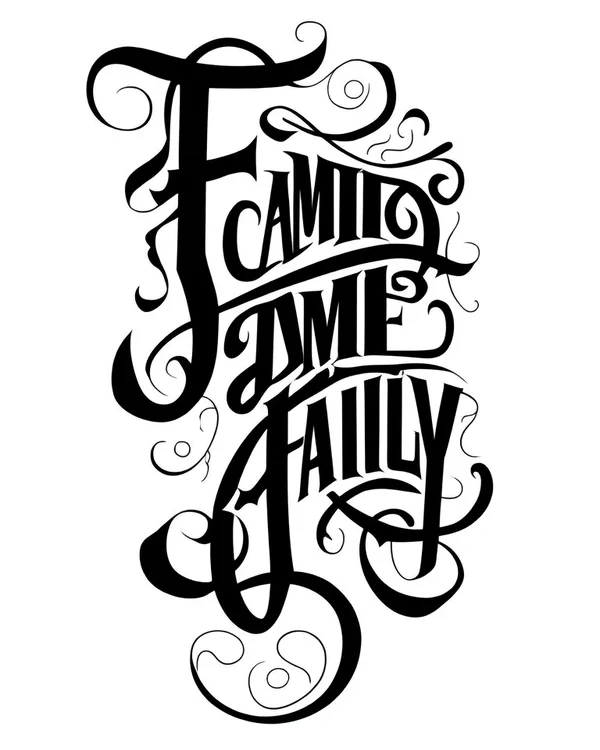
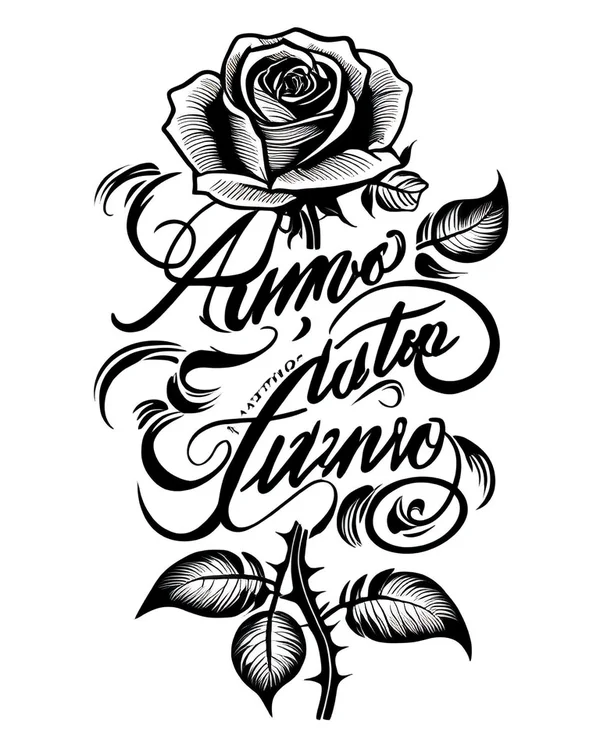
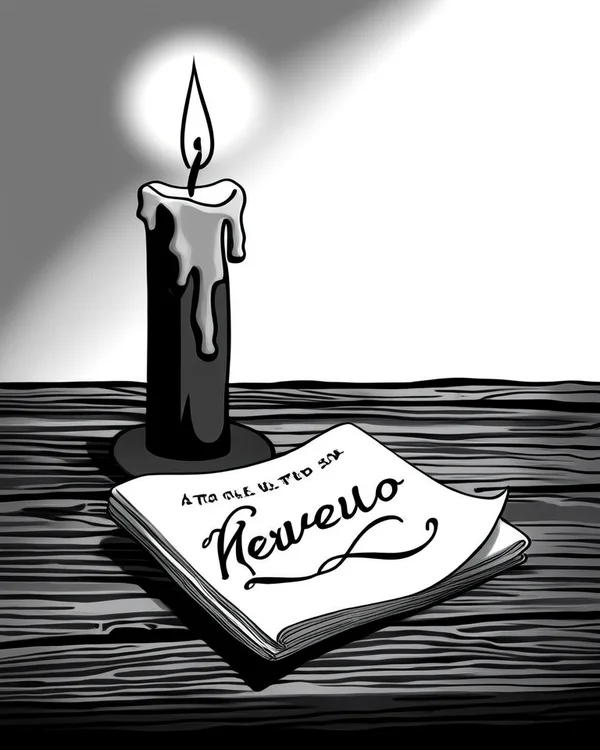
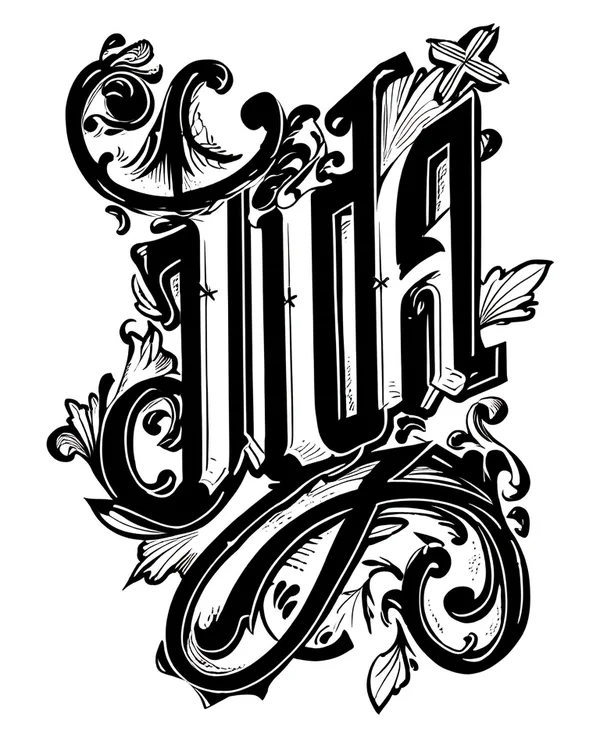
- Script and lettering: Flowing cursive script is one of the most recognizable elements. The lettering often spells out names, dates, places, prayers, quotes or dedications. Chicano script has a distinctive style — ornate, with decorative flourishes, drop shadows and dimensional effects that make the letters appear to float above the skin.
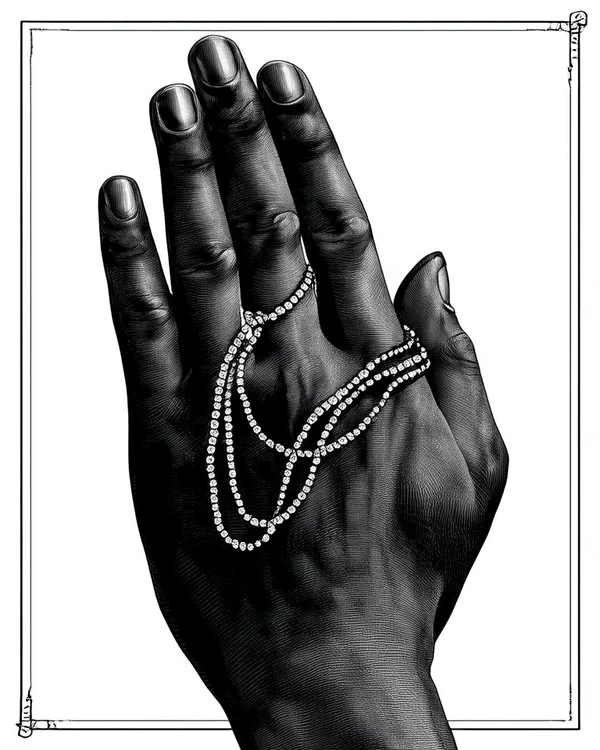
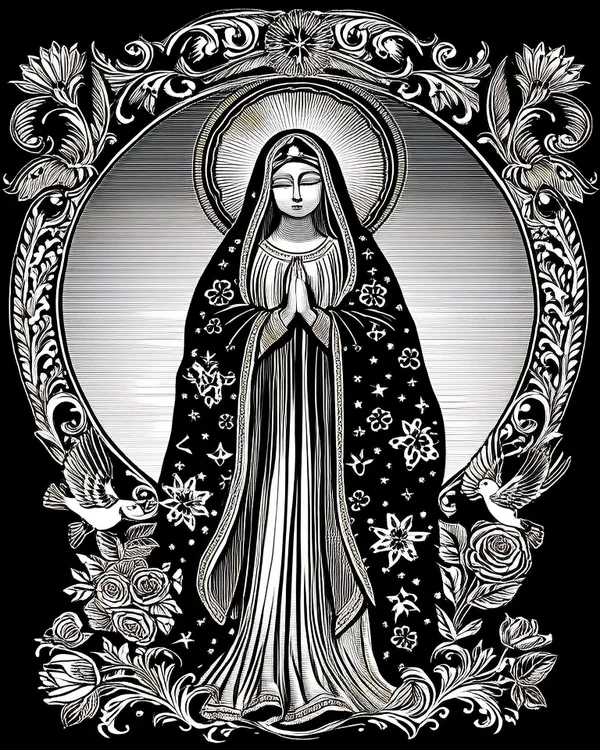
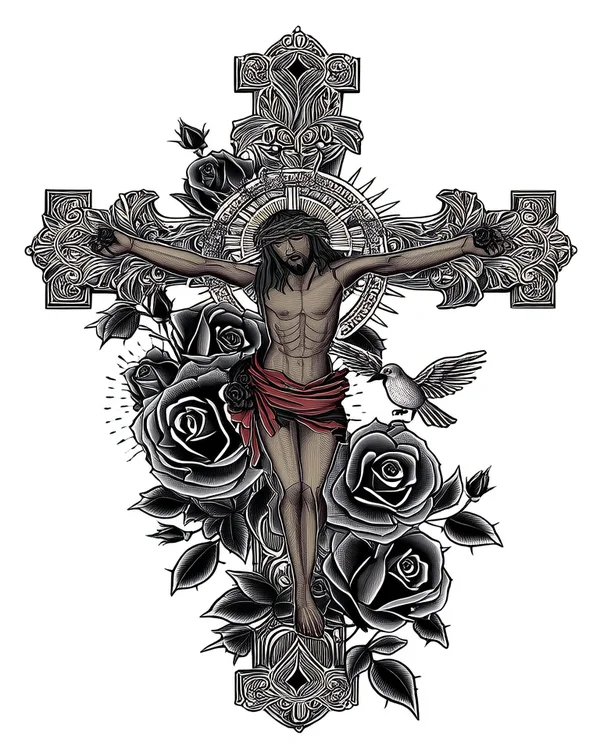
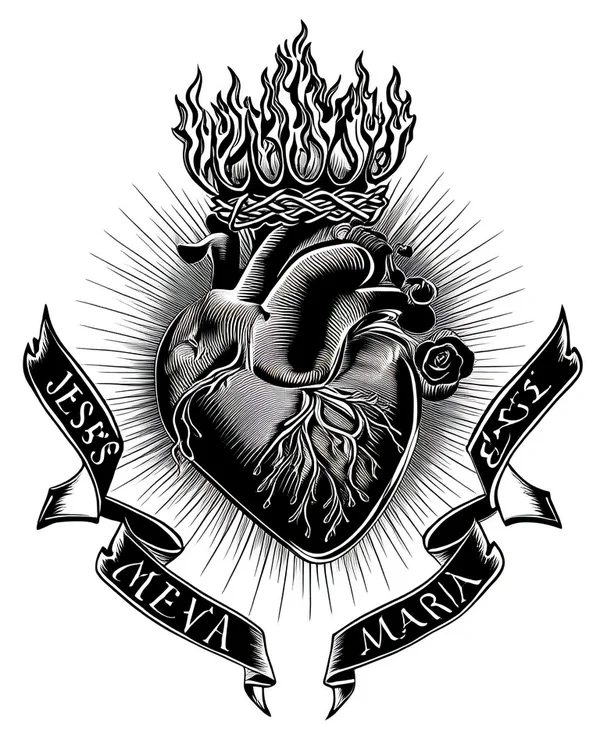
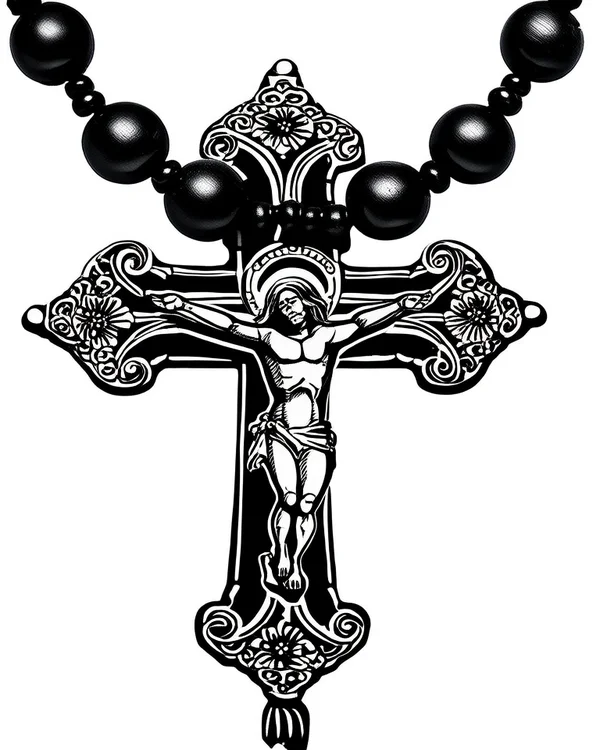
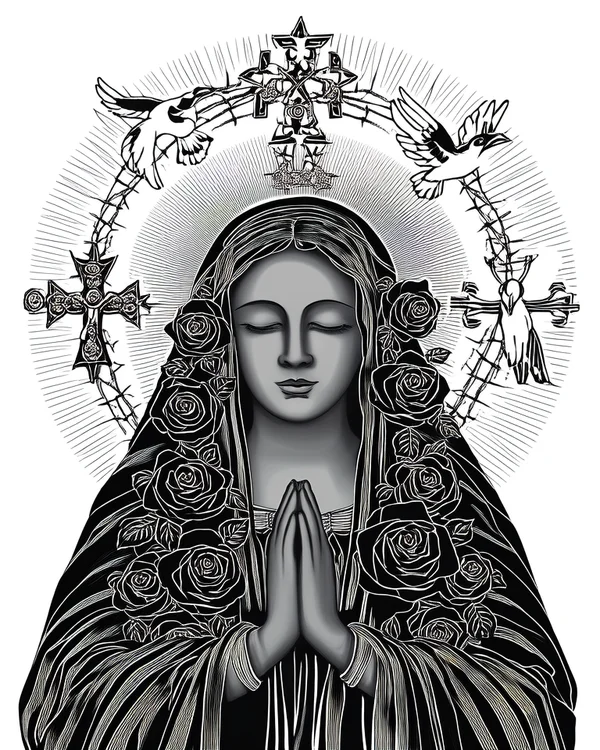
- Religious imagery: Catholic iconography is central to the vocabulary. Praying hands, the Virgin of Guadalupe, crucifixes, rosary beads, sacred hearts, angels and weeping eyes all appear frequently. These images express faith, gratitude, mourning and spiritual protection.
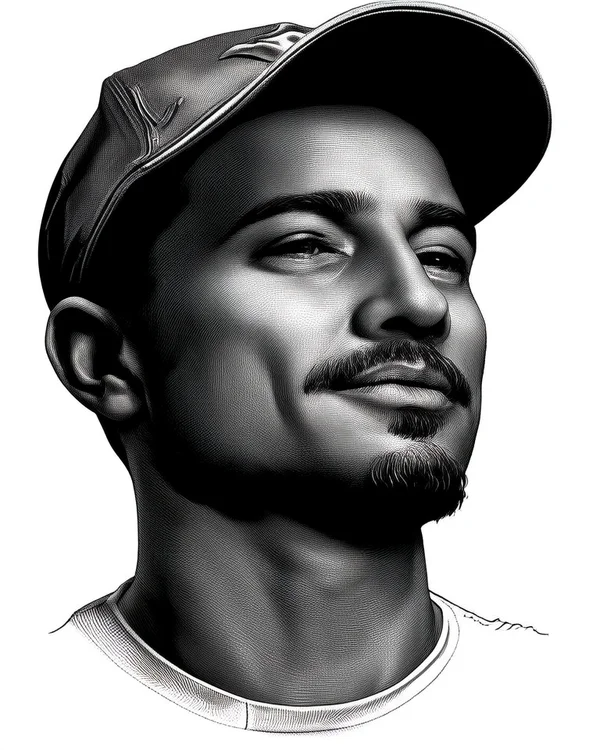
- Portraiture: Photorealistic portraits of loved ones (living or deceased), cultural figures, religious icons or celebrities. Chicano portraiture is among the most technically demanding work in tattooing — the grey-wash tonal control needed to render a convincing face on skin requires years of practice.
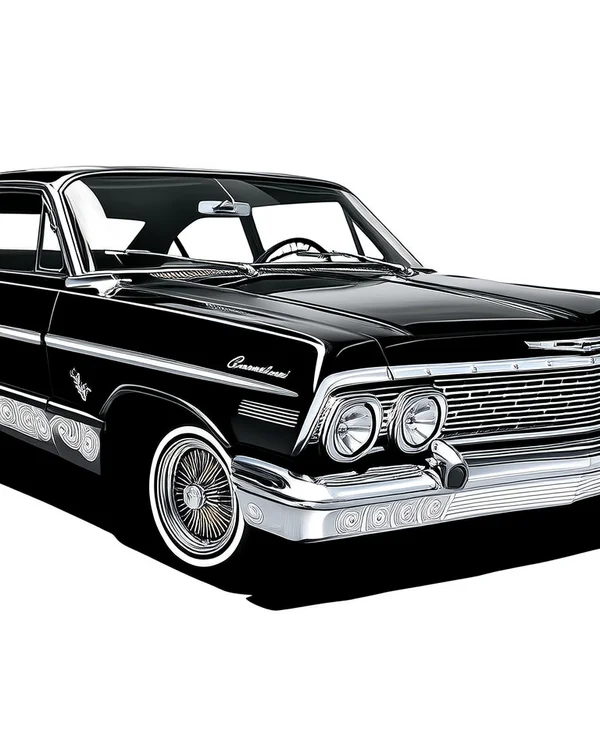
- Lowrider and car culture: Images of classic cars — especially 1960s Chevrolets, Impalas and other lowrider staples — often depicted with gleaming chrome, wire wheels and hydraulic lifts. These represent craftsmanship, community and the pride of building something beautiful from the ground up.
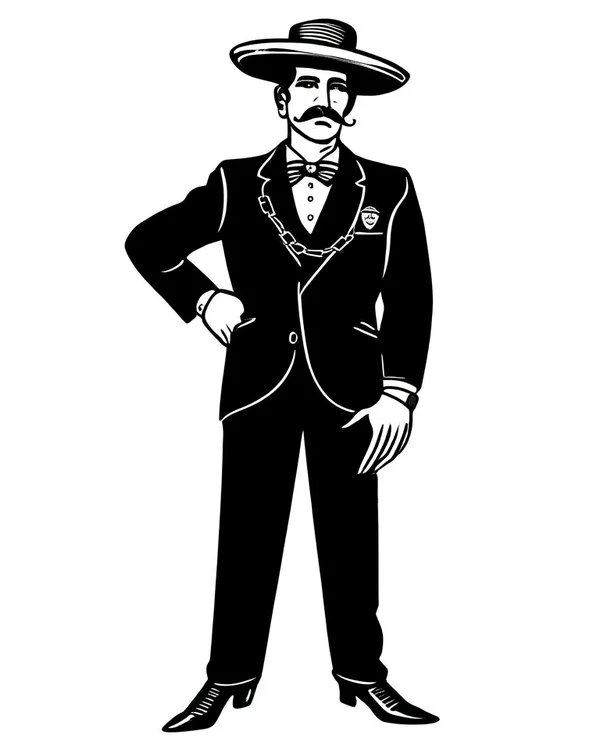
- Pachuco and zoot-suit imagery: Figures in zoot suits, fedoras and long coats — a nod to the 1940s pachuco culture that gave birth to the style. These images celebrate the rebellious, stylish spirit of the original Chicano subculture.
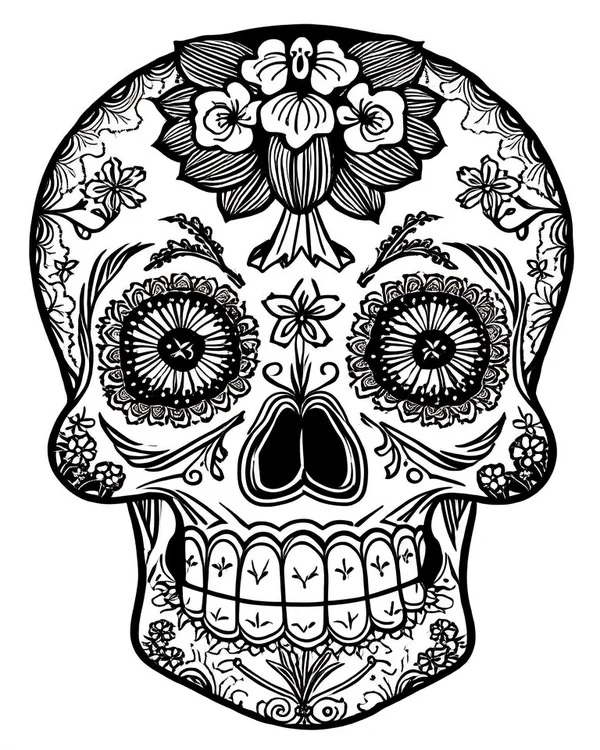
- Skulls and calaveras: Sugar skulls, Day of the Dead imagery and anatomical skulls are popular motifs that connect to Mexican folk traditions of honoring the dead. These are often rendered in the characteristic black-and-grey style with ornate decorative elements.
Placement and Composition
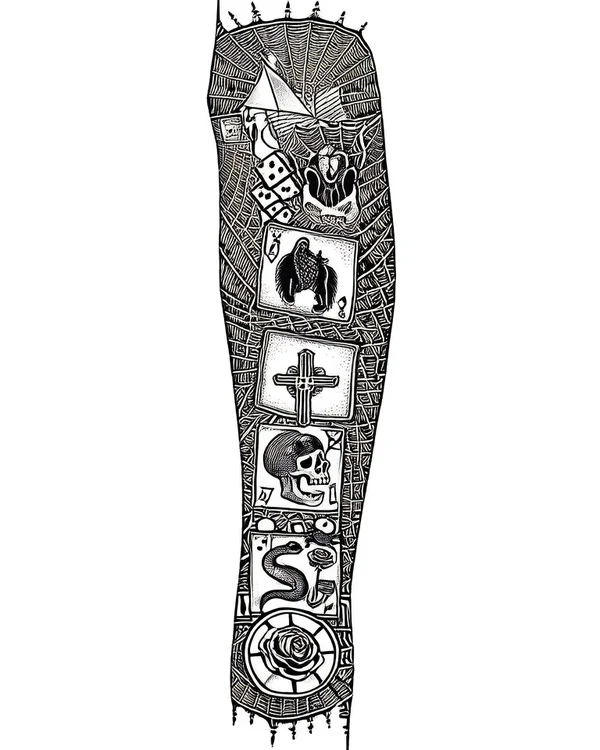
Chicano tattoos are designed to flow with the body. The style was built on large-scale compositions — full sleeves, chest pieces, back pieces and leg sleeves — where individual elements (a portrait, a praying-hands piece, a script banner, a lowrider) are connected by flowing background work: clouds, smoke, filigree, architectural elements or light rays that tie the whole composition together.
That said, Chicano-style work also translates beautifully to smaller scales. A single portrait on the forearm, a script piece on the chest, or a praying-hands design on the upper arm are all classic standalone choices. The key is to let each element breathe — Chicano designs need negative space to show off the grey-wash tonal range. Packing too many elements into a small area muddies the technique.
Popular placements for Chicano work include:
- Full sleeve: The canvas that best showcases the style's compositional strengths. Multiple connected elements flowing from shoulder to wrist with unified background work.
- Chest: A praying-hands piece, a portrait or a script dedication across the chest is one of the most iconic Chicano placements.
- Forearm: A single portrait, a script piece or a religious image on the inner or outer forearm. Enough space for detail without committing to a full sleeve.
- Stomach / gut: Often used for script or dedication pieces. A less common but respected placement in the tradition.
- Leg / calf: Full-leg compositions or standalone calf pieces with portraits, religious imagery or cultural symbols.
- Neck and throat: Script, small portraits or symbolic elements. High visibility — a commitment-level placement.
Choosing an Artist
Chicano tattooing is technically demanding. The grey-wash tonal control, the fine-line precision and the compositional skill required to build a cohesive sleeve take years of dedicated practice. When choosing an artist for a Chicano-style piece, look for:
- Healed work in their portfolio: Fresh tattoos always look impressive because the ink is saturated and the skin is swollen. Healed work tells the real story. Ask to see photos of pieces that are one year or older.
- Grey-wash smoothness: The hallmark of good Chicano work is smooth tonal gradients — no blotchy patches, no hard transitions between light and dark. Look for skin that appears to glow from within.
- Lettering quality: Script should be consistent in weight, spacing and flow. Decorative flourishes should enhance readability, not obscure the words.
- Portrait realism: If the design includes a portrait, the artist's portfolio should show convincing anatomy, accurate likeness and tonal depth that captures the subject's character.
- Cultural understanding: An artist who understands the cultural significance of the imagery will approach the work with the respect and intentionality it deserves. This does not mean the artist must be Mexican-American, but they should demonstrate knowledge of and respect for the tradition.
Aftercare for Black-and-Grey Work
Black-and-grey Chicano tattoos heal slightly differently than solid-color or heavy-blackwork pieces. The lighter grey-wash tones are more susceptible to fading during the healing process, which means careful aftercare is especially important. Keep the tattoo clean and moisturized according to your artist's instructions, avoid sun exposure during healing (and always use sunscreen on healed work), and do not submerge the tattoo in water for the first two weeks.
Because the style relies on subtle tonal variation, even small amounts of sun damage or scarring can disrupt the smoothness of a grey wash. Long-term sun protection is not optional for Chicano work — it is essential. A well-healed, well-protected black-and-grey tattoo will retain its tonal depth and detail for decades.
Preview a Chicano Tattoo on Your Body
Chicano tattoos are designed to work with the body's natural anatomy — the curve of a shoulder, the flat plane of a chest, the taper of a forearm. A design that looks balanced on paper may need adjustment to flow with your specific body shape. Use the InkPreview tattoo simulator to place any of the 24 reference designs above on your own photo. Resize, reposition and evaluate how the piece reads on your body at the scale you want before you book an appointment.
Gallery — 24 Chicano Tattoo Reference Designs