Miniature Tattoo Ideas
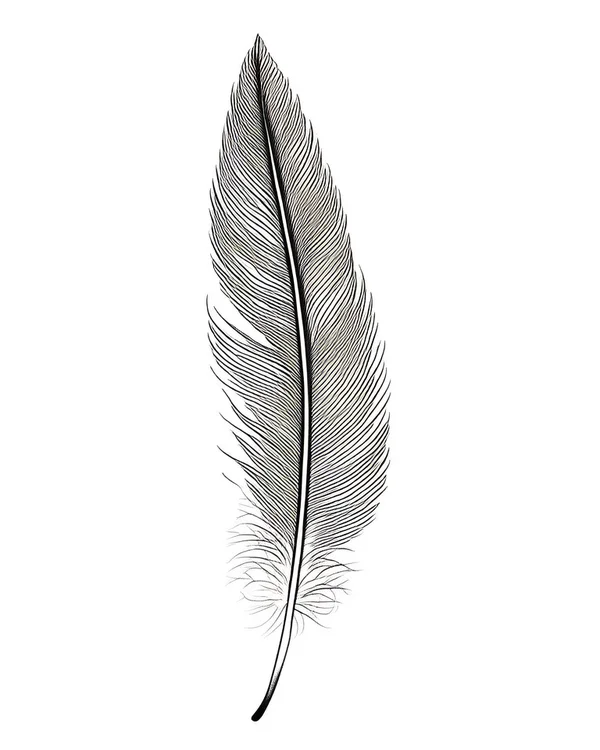
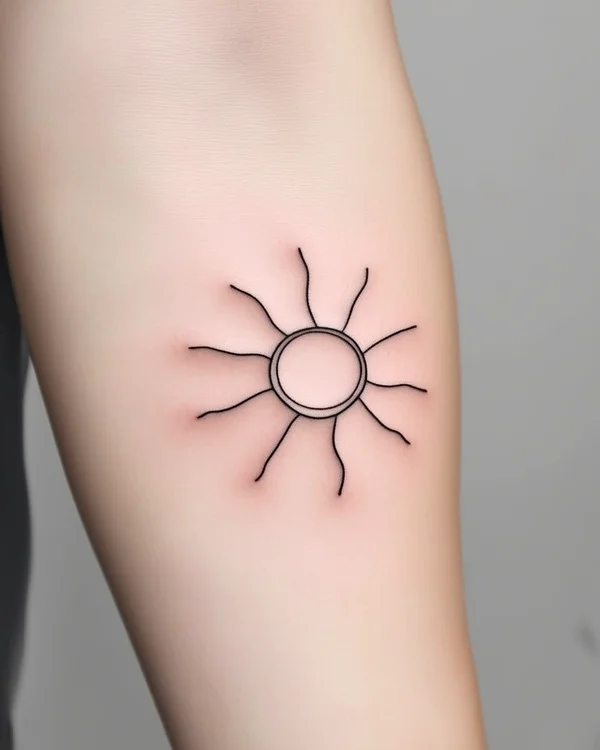
Ultra-small, single-needle fine-line tattoos — delicate, detailed and designed to whisper rather than shout. Browse 24 reference designs below, then preview any of them on your own body with the free tattoo simulator.
What Are Miniature Tattoos?
Miniature tattoos are designs that prioritize small scale and fine detail over bold visibility. They are typically executed with a single-needle or very tight grouping, producing linework that is delicate enough to fit on a fingertip, a wrist bone or the curve of an earlobe. The style has surged on Pinterest with 113 percent growth as more people discover that a tattoo does not need to be large to be meaningful — or beautiful.
The appeal is partly aesthetic and partly practical. A miniature tattoo takes less time (often under an hour), costs less than a large piece, and is easier to conceal when needed. For first-timers, it is a low-commitment way to experience having a tattoo. For collectors, it is a way to fill small gaps in an existing composition or to carry dozens of tiny personal symbols across the body like a gallery of memories.
Key Characteristics
- Scale: Most miniature tattoos range from about 0.5 cm to 3 cm (roughly a quarter-inch to just over an inch). Some are even smaller — micro tattoos on the inner ear or fingertip can be as tiny as a few millimeters.
- Single-needle linework: The defining technical feature. A single-needle (or tight three-needle) setup produces lines that are fine enough to render tiny details without the design turning into a blurred blob. Not every artist works at this scale, so finding a specialist matters.
- Minimal shading: Most miniature tattoos rely on line work alone rather than packed shading or gradients. At this scale, even light shading can overwhelm the design. Dot-work stippling is sometimes used for subtle tonal variation.
- Black ink dominance: The vast majority of miniature tattoos are solid black. Color at this scale can lose definition quickly and may require more frequent touch-ups. Some artists use a single accent color for a tiny element (a red heart, a blue dot for an eye).
- Negative space: Skin-break highlights and open space are critical at small scale. The design needs room to breathe or the ink will merge into an unreadable mark within a few years.
Popular Miniature Tattoo Designs
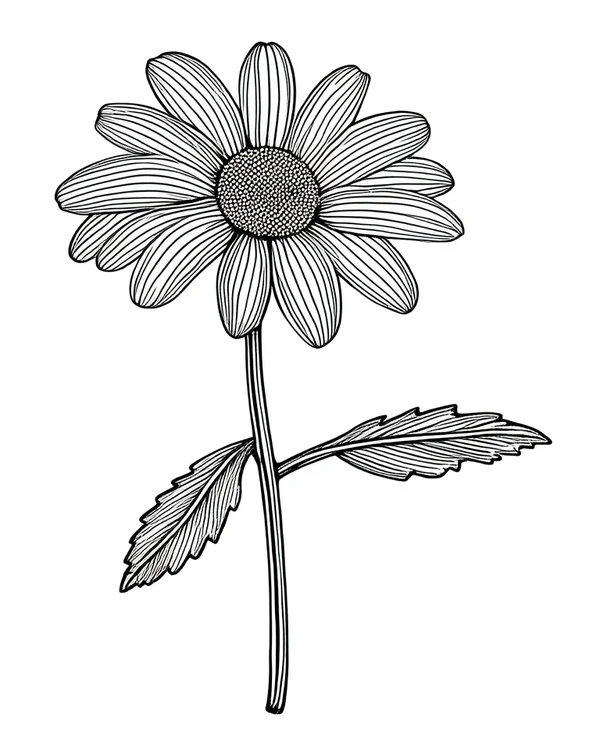
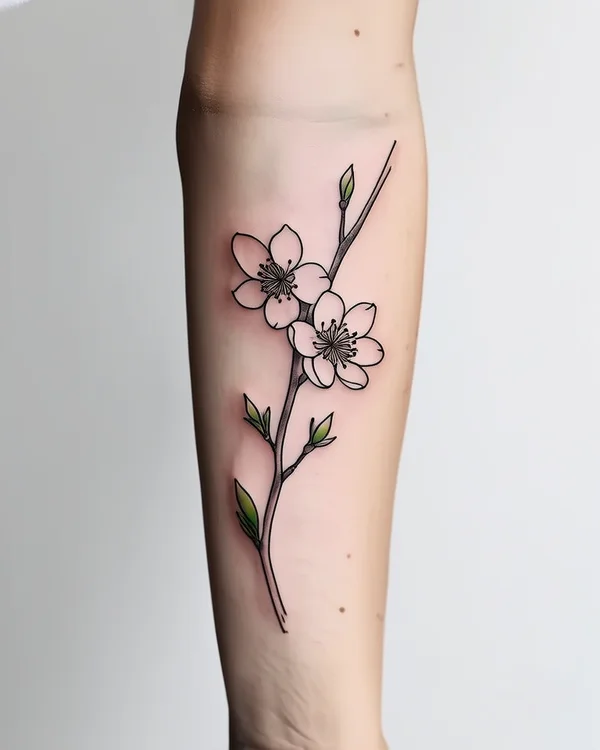
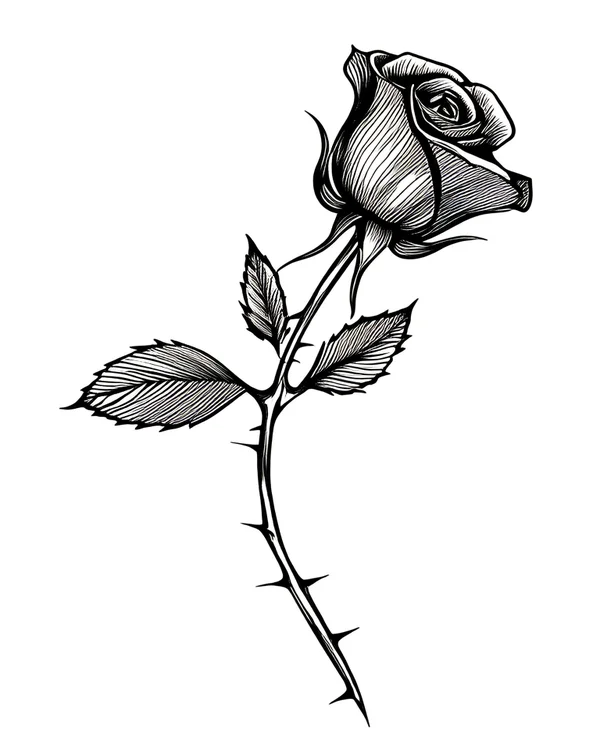
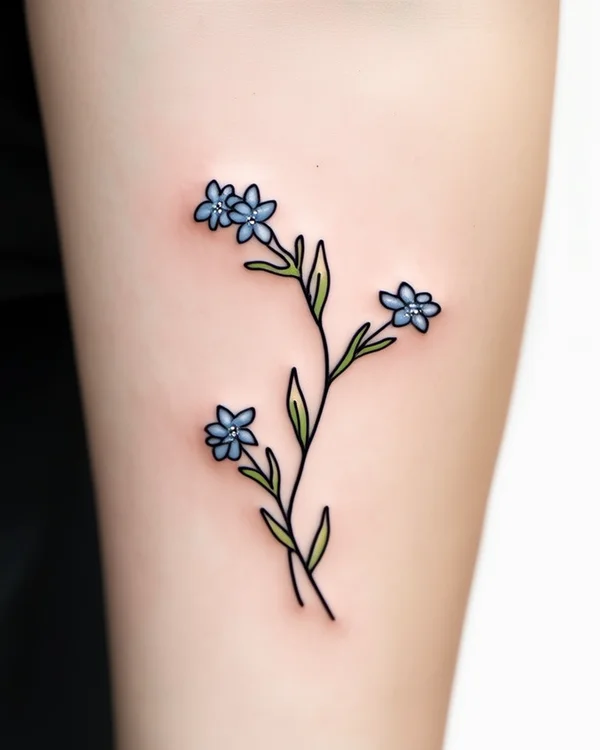
- Tiny florals: A single small flower — a daisy, a forget-me-not, a lavender sprig, a cherry blossom — rendered in fine lines. These are the most popular miniature tattoo subject by a wide margin. They work on the wrist, ankle, behind the ear, on the collarbone or on a finger.
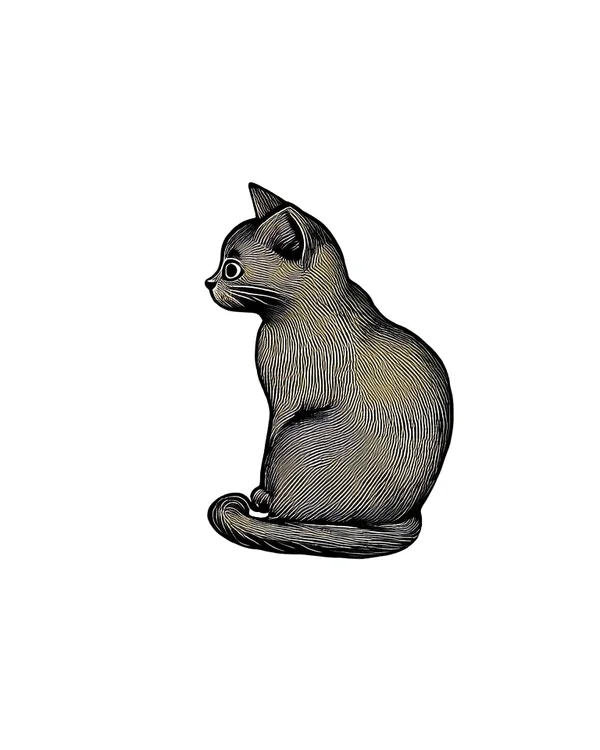
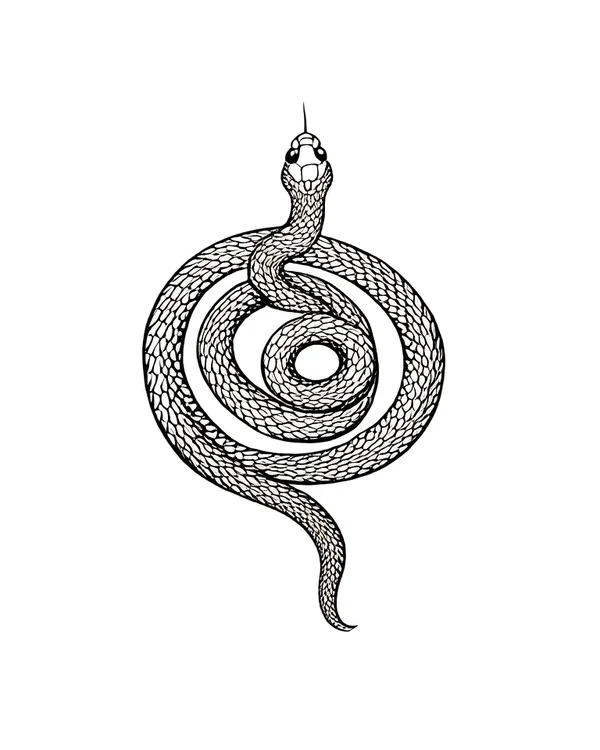
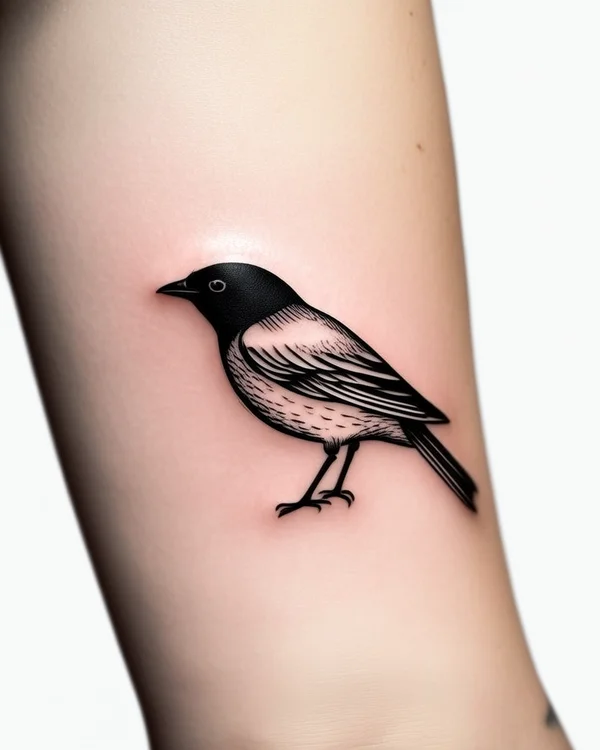
- Micro animals: A small outline of a cat, bird, butterfly, bee or snake. The challenge at this scale is keeping the silhouette recognizable. Artists simplify forms down to the essential lines that identify the animal.
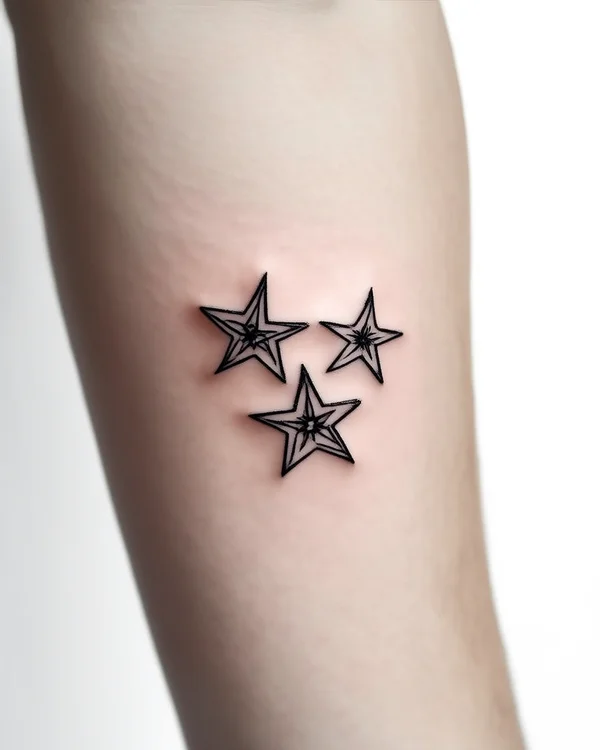
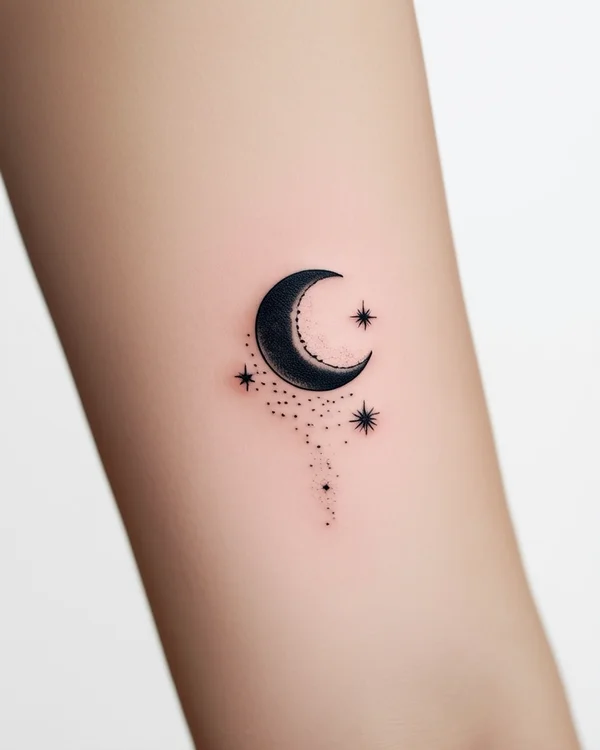
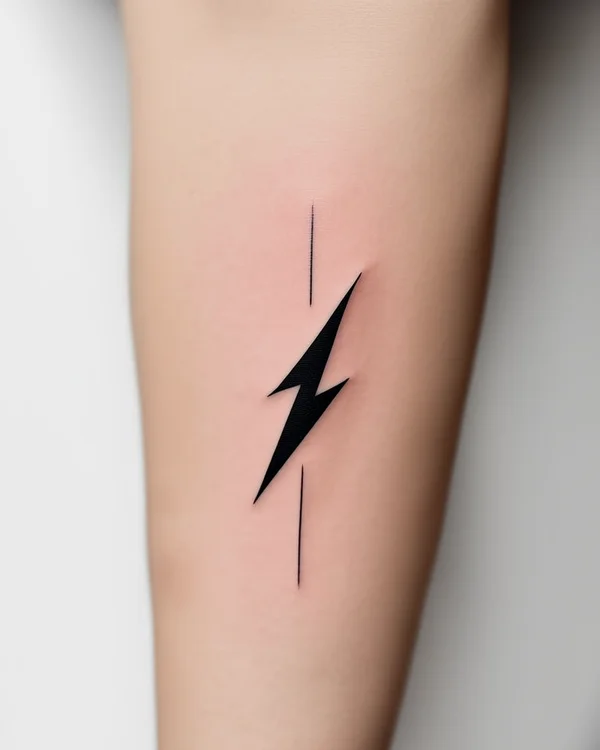
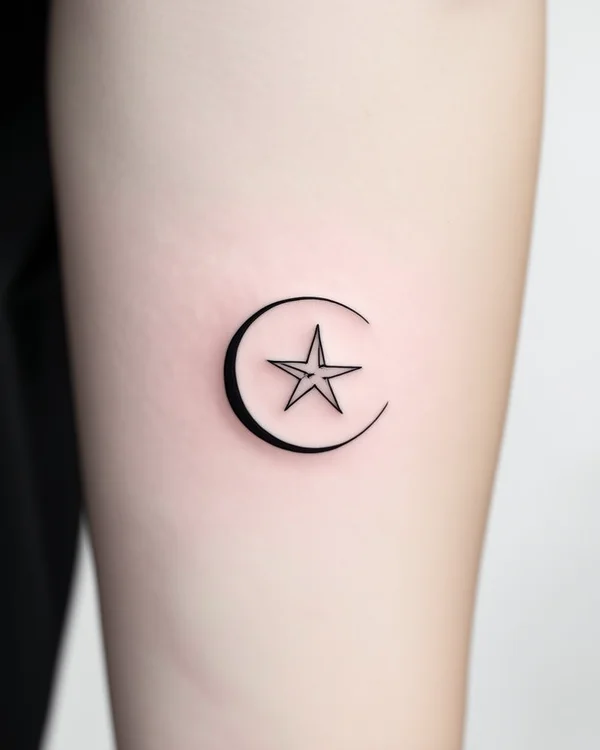
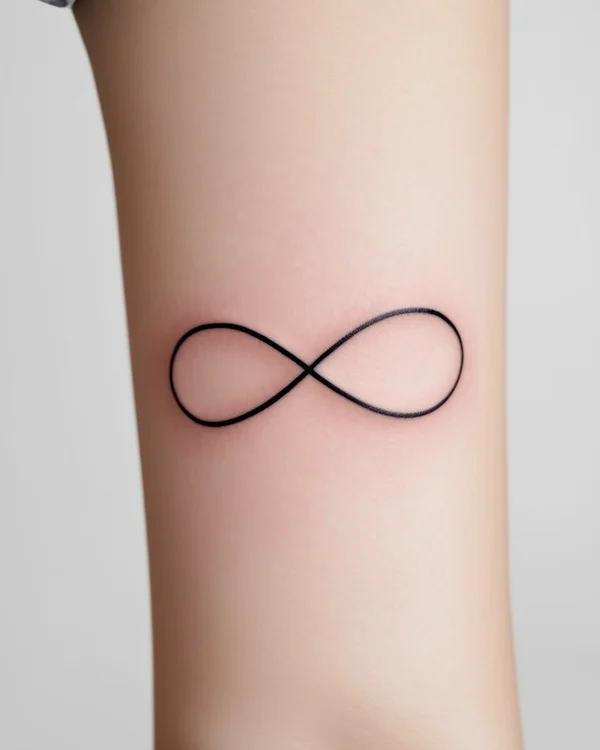
- Symbols and icons: A crescent moon, a star, a heart, an infinity sign, a semicolon, a wave, a mountain range. These are popular first-tattoo choices because they are quick to apply and easy to understand at a glance.
- Mini script: A single word or very short phrase in tiny lettering — a name, a date, a mantra. The letters need to be large enough to stay readable as the ink settles. Most artists recommend no smaller than about 3 mm letter height for longevity.
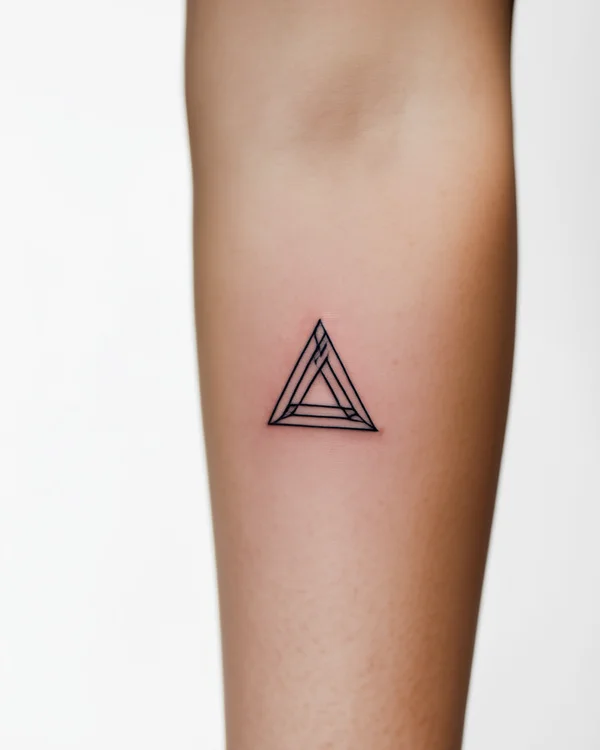
- Tiny geometric shapes: A triangle, a circle, a hexagon, a set of parallel lines, a small mandala fragment. Geometric forms hold up well at small scale because they rely on clean angles and symmetry rather than fine detail.
- Finger and hand micros: Designs specifically sized for the finger — a tiny ring tattoo, a small symbol on the side of a finger, a micro design on the hand. These are statement pieces in miniature that are visible in daily life but not overwhelming.
- Constellation maps: A few dots connected by thin lines representing a zodiac constellation or a meaningful star pattern. These are naturally small and translate well to the miniature format.
Best Placements for Miniature Tattoos
Placement matters even more for miniature tattoos than for larger pieces because the surrounding anatomy affects how the tiny design reads. Here are the strongest placements:
- Inner wrist: The classic miniature tattoo spot. Flat, visible to the wearer, easy to cover with a watch or bracelet. The skin here holds fine lines well, though some fading over the years is normal.
- Behind the ear: A tiny symbol or floral tucked into the hollow behind the ear. Hair covers it when down; it reveals itself when hair is up. Works best for very simple shapes.
- Ankle / inner ankle: A small design on the ankle bone or the inner ankle. Visible in bare feet and sandals, hidden under socks and shoes. The skin here is relatively stable and holds detail.
- Collarbone: A small line of script or a tiny floral along the collarbone. Visible in open-neck tops, hidden under higher necklines. The flat, bony surface provides a good canvas for fine lines.
- Fingers: Tiny designs on the side of a finger, around the base of a finger, or on the fingertip. These are the most visible miniature tattoos in daily life but also the fastest to fade due to skin turnover and friction.
- Ribs (small area): A tiny symbol or word on the ribcage. Covered by clothing, revealed selectively. The skin here is sensitive but holds small designs well.
- Behind the neck / nape: A small design at the nape of the neck, covered by hair. A good spot for a personal symbol you want to keep mostly private.
Aftercare and Longevity
Miniature tattoos require the same basic aftercare as any tattoo — keep it clean, keep it moisturized, keep it out of the sun — but there are some specific considerations for small-scale work. Because the lines are thin, any blurring or spreading has a proportionally larger impact on readability. Avoid submerging the tattoo in water for the first two weeks. Do not pick at flaking skin. Apply sunscreen religiously once the tattoo has healed, because UV exposure is the number-one enemy of fine black lines.
Plan for a touch-up within the first one to two years, especially for placements on the hands, fingers, feet or any area that sees a lot of friction. Many artists offer a free or discounted touch-up within the first year — ask about this before your appointment. With proper care and sun protection, a well-executed miniature tattoo can stay crisp and readable for a decade or more.
Preview a Miniature Tattoo on Your Body
A miniature tattoo looks different on every body. The same tiny design that sits perfectly on a slim wrist may look lost on a broader forearm, and a design that reads clearly on pale skin may need bolder lines to stand out on darker skin tones. Use the InkPreview tattoo simulator to place any of the 24 reference designs above on your own photo at the exact size and position you are thinking about. Seeing it on your body — rather than on a flat gallery image — is the best way to judge whether the scale and placement are right.
Gallery — 24 Miniature Tattoo Reference Designs